⛪ St John's Co-Cathedral Valletta
Malta
About This Sacred Site
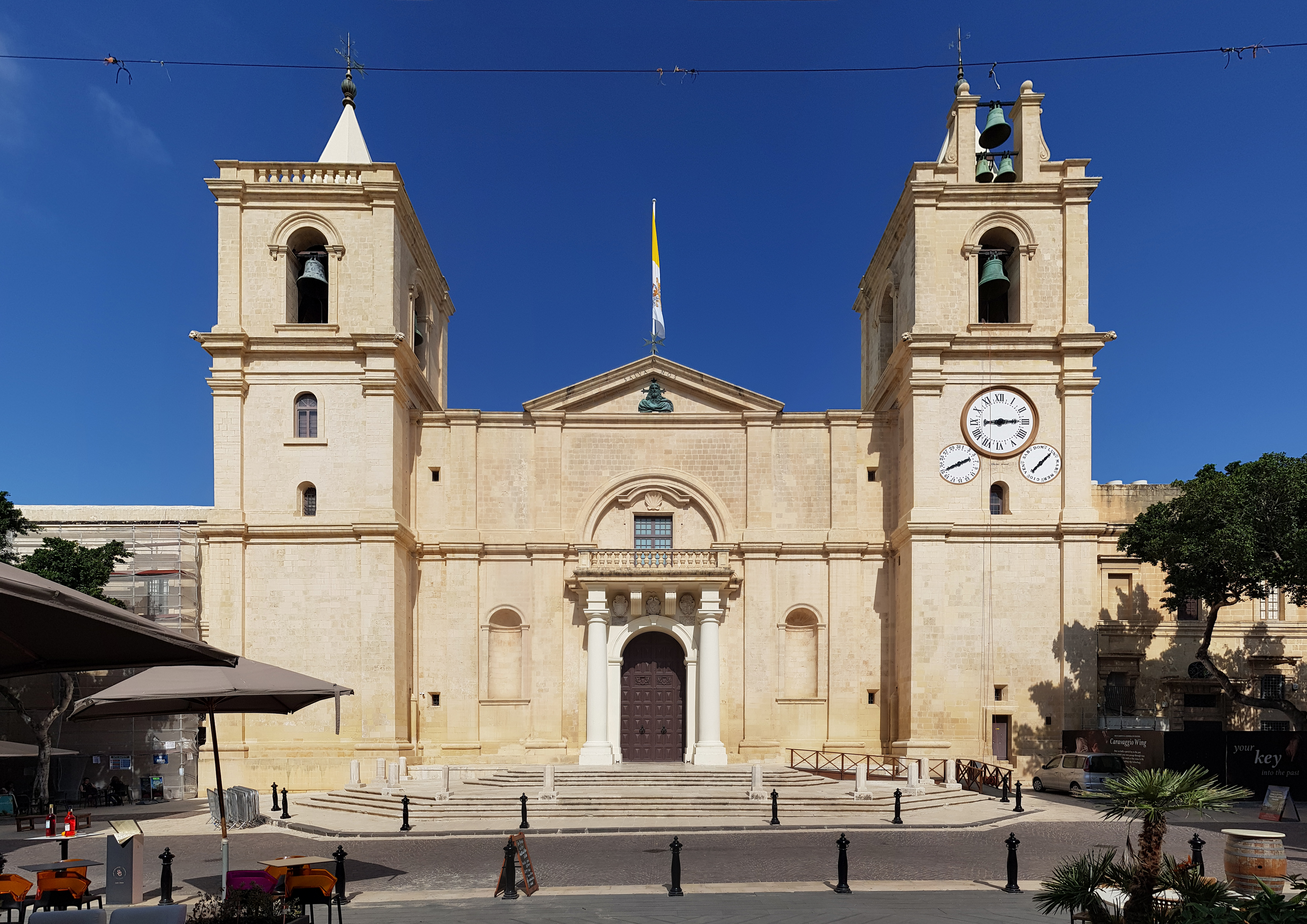
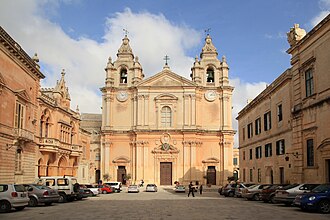
St John’s Co-Cathedral in Valletta, Malta, is a masterpiece of High Baroque architecture constructed between 1573 and 1578 by the Knights of St John. Its lavish interior contrasts with the austere exterior, featuring intricate marble floors, gilded ceilings, and dramatic artworks including Caravaggio’s renowned painting "The Beheading of Saint John the Baptist." The cathedral serves as a prominent religious and cultural landmark, reflecting the Knights’ influence and Malta’s rich historical heritage.
Spiritual Significance
St John’s Co-Cathedral in Valletta serves as a focal point for Roman Catholic worship in Malta, constructed by the Knights of Malta between 1573 and 1578 under architect Girolamo Cassar. The cathedral holds the feast of Saint John the Baptist on June 24, a key liturgical celebration involving solemn Mass and processions reflecting the Knights' devotion. Pilgrims and worshippers venerate the relics of Saint John the Baptist, whose martyrdom is depicted in Caravaggio's signed masterpiece ‘The Beheading of Saint John the Baptist’ housed within the Oratory. The cathedral follows the Roman Rite and is a site for the Knights’ traditional investiture ceremonies, emphasizing vows of faith and service. Theologically, it embodies Counter-Reformation ideals with its richly decorated interior symbolizing divine glory, consistent with Council of Trent decrees. Scriptural readings during Mass often highlight John 1:29, “Behold the Lamb of God”, reinforcing the saint’s spiritual role. Annual pilgrimages include guided tours focused on the cathedral’s art and sacred history, enhancing devotional understanding among visitors.
Key Facts
- •Built between 1573 and 1578 by architect Girolamo Cassar for the Knights of Malta
- •Houses Caravaggio's 'The Beheading of Saint John the Baptist,' signed by the artist
- •The marble floor comprises over 400 tombstones of knights inlaid with colored marble
- •Each of the eight langues (nationalities) of the Knights had their own ornate chapel
- •The vault paintings by Mattia Preti depict scenes from the life of St John the Baptist
Location
Coordinates: 35.8978, 14.5133
Frequently Asked Questions
What religion is St John's Co-Cathedral Valletta associated with?▾
St John's Co-Cathedral Valletta is a Christianity holy site located in Malta. It was established 1573 and is ranked #714 in our global directory of sacred sites.
When was St John's Co-Cathedral Valletta established?▾
St John's Co-Cathedral Valletta dates back to 1573. Built between 1573 and 1578 by architect Girolamo Cassar for the Knights of Malta
How many people visit St John's Co-Cathedral Valletta each year?▾
St John's Co-Cathedral Valletta receives approximately 500,000 visitors per year. Houses Caravaggio's 'The Beheading of Saint John the Baptist,' signed by the artist
What is St John's Co-Cathedral Valletta known for?▾
A Baroque masterpiece built by the Knights of Malta housing Caravaggio's largest painting. Visitors come seeking pilgrimage, protection, blessings. The marble floor comprises over 400 tombstones of knights inlaid with colored marble
Related Holy Sites
Sacred places connected by country, religion, and purpose
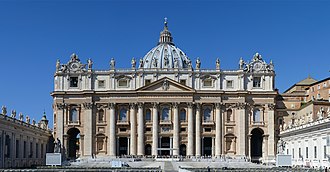
⛪Vatican City (St. Peter's Basilica)
The spiritual center of Roman Catholicism and home of the Pope.
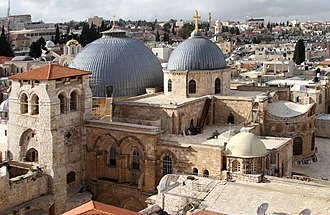
✝️Church of the Holy Sepulchre
The site where Jesus was crucified, buried, and resurrected.