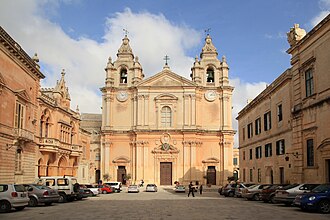
⛪ Mdina Cathedral
Malta
About This Sacred Site
The Metropolitan Cathedral of St Paul in Mdina, Malta, is a Roman Catholic cathedral believed to be built on the site where the Apostle Paul converted Publius, the Roman governor, to Christianity around 60 CE. The cathedral showcases baroque architectural elements with a richly decorated interior, housing important religious artifacts and artworks. It serves as the spiritual heart of Mdina, the ancient capital, and remains a symbol of Malta’s Christian heritage.
History & Origins
Mdina Cathedral, officially the Cathedral of Saint Paul, is traditionally believed to stand near the site where Saint Paul converted Roman governor Publius in 60 CE, as recorded in the Acts of the Apostles. The original church likely dates from the early Christian period, but the current Baroque structure was designed by Maltese architect Lorenzo Gafà and completed in 1703 after the 1693 Sicily earthquake devastated the prior building. The cathedral has underwent numerous restorations to preserve its limestone facades and richly frescoed interior. It houses the remains of Bishop Gaetano Pace Forno, a 19th-century Maltese prelate. The cathedral also contains paintings by Mattia Preti, linking it to prominent Baroque art movements. It functions as the seat of the Roman Catholic Archdiocese of Malta and remains central to religious life in Mdina.
Spiritual Significance
Mdina Cathedral serves as a pilgrimage destination commemorating Saint Paul’s pivotal role in Malta’s Christianization, with the annual feast of the Conversion of Saint Paul celebrated on February 10 featuring solemn liturgies and processions. The cathedral’s dedication to Saint Paul connects it to scriptural passages in Acts 27-28 describing his shipwreck and ministry on Malta. Worship within the cathedral follows the Roman Rite, with the celebration of the Eucharist central to its spiritual life. Pilgrims often venerate relics associated with Saint Paul, emphasizing Malta’s biblical heritage. The cathedral’s Baroque art and architecture underscore Counter-Reformation theological emphases on divine grace and saintly intercession. The cathedral also hosts ordinations and diocesan events, reinforcing its role as a hub of Maltese Catholic identity.
Key Facts
- •Tradition holds that St Paul converted Malta's Roman governor on this spot in 60 CE
- •The current Baroque building was designed by Lorenzo Gafà and completed in 1703
- •The cathedral museum houses a major collection of Albrecht Dürer's works
- •Mdina, the 'Silent City,' served as Malta's capital for centuries before Valletta
- •The original cathedral was severely damaged by the 1693 Sicily earthquake
Location
Coordinates: 35.8858, 14.4028
Frequently Asked Questions
What religion is Mdina Cathedral associated with?▾
Mdina Cathedral is a Christianity holy site located in Malta. It was established c. 60 CE and is ranked #454 in our global directory of sacred sites.
When was Mdina Cathedral established?▾
Mdina Cathedral dates back to c. 60 CE. Tradition holds that St Paul converted Malta's Roman governor on this spot in 60 CE
How many people visit Mdina Cathedral each year?▾
Mdina Cathedral receives approximately 200,000 visitors per year. The current Baroque building was designed by Lorenzo Gafà and completed in 1703
What is Mdina Cathedral known for?▾
The cathedral of Malta's ancient walled capital, built on the site where St Paul is said to have converted the islanders. Visitors come seeking blessings, salvation, guidance. The cathedral museum houses a major collection of Albrecht Dürer's works
Related Holy Sites
Sacred places connected by country, religion, and purpose


⛪Vatican City (St. Peter's Basilica)
The spiritual center of Roman Catholicism and home of the Pope.
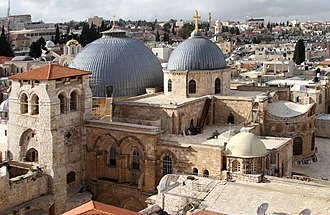
✝️Church of the Holy Sepulchre
The site where Jesus was crucified, buried, and resurrected.