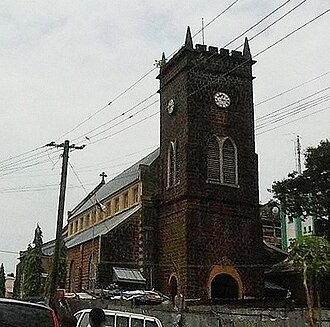
⛪ St. George's Cathedral Freetown
Sierra Leone
About This Sacred Site
St. George's Cathedral in Freetown is the oldest Anglican cathedral in West Africa, consecrated in 1828. The cathedral was established to serve the community of freed slaves who founded Freetown — formerly enslaved Africans from Britain, Jamaica, and Nova Scotia who created a new life in 'the Province of Freedom.' The cathedral represents the Christian faith that many freed slaves brought with them and which became central to Krio culture and identity. Through civil war and peace, the cathedral has remained a steadfast center of worship and community life in Freetown.
Spiritual Significance
Consecrated in 1828, this cathedral serves as the oldest Anglican cathedral in West Africa, symbolizing the Anglican Church's historic presence on the continent. It was founded explicitly to serve freed slaves who established Freetown in 1792, linking its spiritual mission to the liberation narrative. The cathedral hosts the annual St. George's Day service on April 23rd, which includes readings from the Book of Common Prayer and sermons emphasizing Christian freedom and redemption as expressed in Galatians 5:1. The building’s Gothic Revival architecture, featuring stained glass windows depicting biblical scenes, provides a sacred space for Eucharistic celebrations central to Krio Christian worship. Clergy of the diocese historically include influential figures such as Bishop Edward Beckles, who guided the cathedral through the 19th century. Pilgrims often engage in processions around the cathedral grounds during the Christmas and Easter festivals, reflecting the integration of Anglican liturgy with local Krio cultural expressions.
Key Facts
- •Oldest Anglican cathedral in West Africa, consecrated in 1828
- •Founded to serve freed slaves who established Freetown
- •Central to the development of Krio Christian culture and identity
- •Survived Sierra Leone's civil war (1991-2002)
- •The cathedral reflects early 19th-century colonial ecclesiastical architecture
Location
Coordinates: 8.4833, -13.2333
Frequently Asked Questions
What religion is St. George's Cathedral Freetown associated with?▾
St. George's Cathedral Freetown is a Christianity holy site located in Sierra Leone. It was established 1828 and is ranked #881 in our global directory of sacred sites.
When was St. George's Cathedral Freetown established?▾
St. George's Cathedral Freetown dates back to 1828. Oldest Anglican cathedral in West Africa, consecrated in 1828
How many people visit St. George's Cathedral Freetown each year?▾
St. George's Cathedral Freetown receives approximately 20,000 visitors per year. Founded to serve freed slaves who established Freetown
What is St. George's Cathedral Freetown known for?▾
West Africa's oldest Anglican cathedral, founded by freed slaves. Visitors come seeking blessings, peace, forgiveness. Central to the development of Krio Christian culture and identity
Related Holy Sites
Sacred places connected by country, religion, and purpose
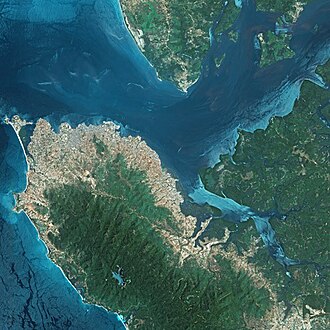
🏝️Bunce Island
A former slave trading fort and site of spiritual pilgrimage and remembrance.

🌳Outamba Sacred Forest
Sacred forests in northern Sierra Leone protected by traditional spiritual beliefs.
⛪Vatican City (St. Peter's Basilica)
The spiritual center of Roman Catholicism and home of the Pope.
✝️Church of the Holy Sepulchre
The site where Jesus was crucified, buried, and resurrected.