
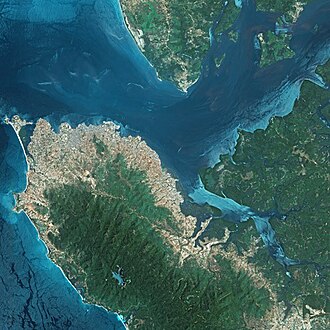
🏝️ Bunce Island
Sierra Leone
About This Sacred Site
Bunce Island in the Sierra Leone River was one of the most significant slave trading posts in West Africa from the 17th through 19th centuries. Tens of thousands of enslaved Africans passed through the island's fortress on their way to the Americas, particularly to rice plantations in the American South. Today, the island's ruins serve as a sacred memorial and pilgrimage site where African Americans trace their ancestry and honor their forebears. The site has become a place of spiritual healing and reconciliation, where visitors confront the horrors of the slave trade and seek to honor ancestral memory.
History & Origins
Bunce Island, established around 1670, was a major British slave trading post in Sierra Leone, strategically located in the Sierra Leone River estuary to facilitate transatlantic slave shipments. The fort on the island was constructed by the Royal African Company and operated until the 19th century, with significant expansions occurring in the early 1700s under Governor Thomas Corker. Tens of thousands of enslaved Africans passed through the island, destined primarily for plantations in the Americas, making it one of the most notorious sites in West African slave trade history. The fort fell into disuse after the British abolition of the slave trade in 1807 and has since become an archaeological site with ongoing preservation efforts. The island's ruins include the remnants of the slave dungeons, barracks, and warehouses, providing tangible evidence of the transatlantic slave trade's scale and impact.
Spiritual Significance
Though primarily a historical site, Bunce Island holds profound spiritual significance for descendants of enslaved Africans and various faith communities engaged in commemorative rituals. Annual remembrance ceremonies involve libations and prayers honoring ancestors who suffered enslavement, often conducted by Christian, Muslim, and indigenous spiritual leaders to reflect the island's multi-faith legacy. Pilgrims participate in guided walks through the ruins, which serve as sites for reflection on human resilience and the sanctity of freedom. The island's spiritual narrative is enriched by oral histories recounting the strength and faith of those passed through its gates, linking contemporary cultural identity with theological themes of liberation and justice found in scriptures such as the Bible's Exodus and the Quran's emphasis on human dignity.
Key Facts
- •One of the most significant slave trading posts in West Africa
- •Operated as a British slave fort from the 17th to 19th centuries
- •Tens of thousands of enslaved people passed through the island
- •African Americans visit to trace ancestry and honor forebears
- •The ruins are being considered for UNESCO World Heritage status
Location
Coordinates: 8.5333, -13.0667
Frequently Asked Questions
What religion is Bunce Island associated with?▾
Bunce Island is a Multi-faith holy site located in Sierra Leone. It was established c. 1670 and is ranked #738 in our global directory of sacred sites.
When was Bunce Island established?▾
Bunce Island dates back to c. 1670. One of the most significant slave trading posts in West Africa
How many people visit Bunce Island each year?▾
Bunce Island receives approximately 5,000 visitors per year. Operated as a British slave fort from the 17th to 19th centuries
What is Bunce Island known for?▾
A former slave trading fort and site of spiritual pilgrimage and remembrance. Visitors come seeking ancestral connection, healing, forgiveness. Tens of thousands of enslaved people passed through the island
Related Holy Sites
Sacred places connected by country, religion, and purpose
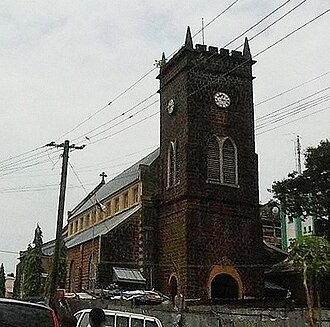
⛪St. George's Cathedral Freetown
West Africa's oldest Anglican cathedral, founded by freed slaves.
🌳Outamba Sacred Forest
Sacred forests in northern Sierra Leone protected by traditional spiritual beliefs.
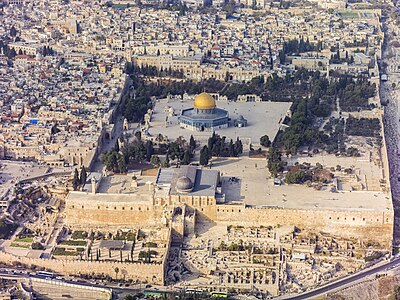
🕌Temple Mount / Al-Aqsa (Jerusalem)
Sacred to Judaism, Christianity, and Islam — the most contested holy site on Earth.
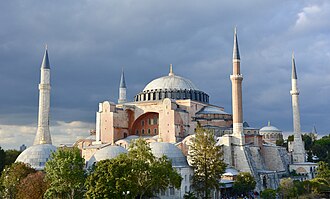
🏛️Hagia Sophia
A masterpiece that served as cathedral, mosque, and museum across centuries.
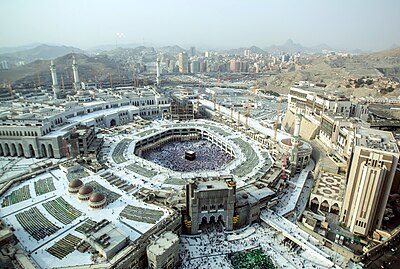
🕋Masjid al-Haram (Great Mosque of Mecca)
The holiest site in Islam, home of the Kaaba, and the destination for Hajj pilgrimage.
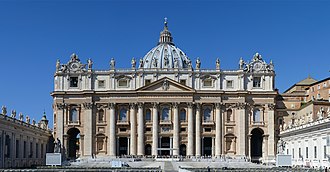
⛪Vatican City (St. Peter's Basilica)
The spiritual center of Roman Catholicism and home of the Pope.

