⛪ St. Charbel Monastery (Annaya)
Lebanon
About This Sacred Site
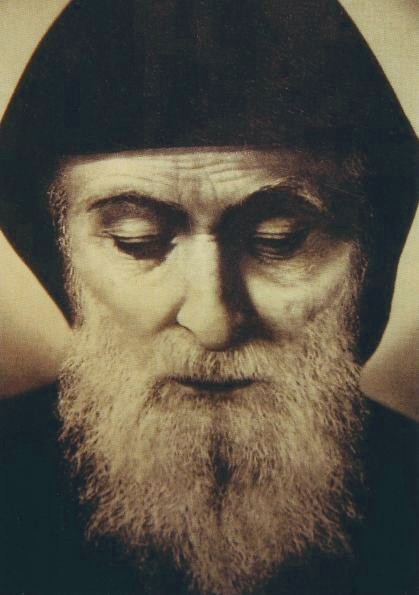
Located near the village of Annaya in Lebanon's Keserwan District, the monastery was established in 1828 by Maronite monks. The complex features stone-built structures with traditional Lebanese red-tiled roofs, covering approximately 2,500 square meters. The main church, constructed from local limestone, houses the tomb of Saint Charbel Makhlouf, whose marble sarcophagus dates to the late 19th century. The monastery's bell tower stands 20 meters tall and includes intricate woodwork crafted by local artisans. Renovations in the 20th century added a museum displaying Saint Charbel's personal effects and manuscripts. Surrounding the monastery are cedar and oak trees native to Lebanon's mountainous terrain, contributing to the serene landscape.
History & Origins
Established in 1828, the Monastery of St. Maron in Annaya became widely known following the life and death of St. Charbel Makhlouf (1828-1898). A monk of the Lebanese Maronite Order, Charbel lived as a hermit in this monastery’s caves, dedicating his life to prayer and asceticism. After his death, reports of miraculous healings at his tomb elevated the monastery’s status to a major pilgrimage destination. The site underwent expansions to accommodate growing numbers of devotees, especially after Charbel’s canonization in 1977. Today, the monastery serves not only as a religious sanctuary but also as a symbol of Lebanese Christian identity and spiritual endurance amid regional challenges.
Spiritual Significance
Saint Charbel Makhlouf, canonized by Pope Paul VI in 1977, is central to the monastery's spiritual life, attracting thousands of pilgrims annually who seek healing through prayer at his tomb. Pilgrims of various faiths, including Muslims, participate in the ritual of lighting candles and applying oil from the saint’s lamp, believed to have miraculous properties. The monastery celebrates the Feast of Saint Charbel on July 24 with special liturgies and processions initiated by the Maronite Patriarchate. Devotees often recite the Rosary and chant the Divine Liturgy in Aramaic, reflecting the saint’s Lebanese Maronite heritage. The monastery also hosts retreats focusing on contemplative silence and ascetic practices inspired by Saint Charbel’s hermitic life from 1875 until his death in 1898. Additionally, documented accounts of healing miracles since the early 20th century reinforce the site's theological importance in contemporary Maronite spirituality.
Key Facts
- •St. Charbel was canonized by Pope Paul VI in 1977
- •Numerous healing miracles have been attributed to St. Charbel
- •Pilgrims of all religions, including Muslims, seek healing here
- •St. Charbel spent 23 years as a hermit in solitary prayer
- •His body was reportedly found incorrupt after exhumation
Location
Coordinates: 34.1092, 35.7250
Frequently Asked Questions
What religion is St. Charbel Monastery (Annaya) associated with?▾
St. Charbel Monastery (Annaya) is a Christianity holy site located in Lebanon. It was established 1828 (monastery) and is ranked #571 in our global directory of sacred sites.
When was St. Charbel Monastery (Annaya) established?▾
St. Charbel Monastery (Annaya) dates back to 1828 (monastery). St. Charbel was canonized by Pope Paul VI in 1977
How many people visit St. Charbel Monastery (Annaya) each year?▾
St. Charbel Monastery (Annaya) receives approximately 4 million visitors per year. Numerous healing miracles have been attributed to St. Charbel
What is St. Charbel Monastery (Annaya) known for?▾
The monastery and tomb of St. Charbel Makhlouf, Lebanon's most beloved saint. Visitors come seeking healing, miracles, blessings, pilgrimage. Pilgrims of all religions, including Muslims, seek healing here
Related Holy Sites
Sacred places connected by country, religion, and purpose
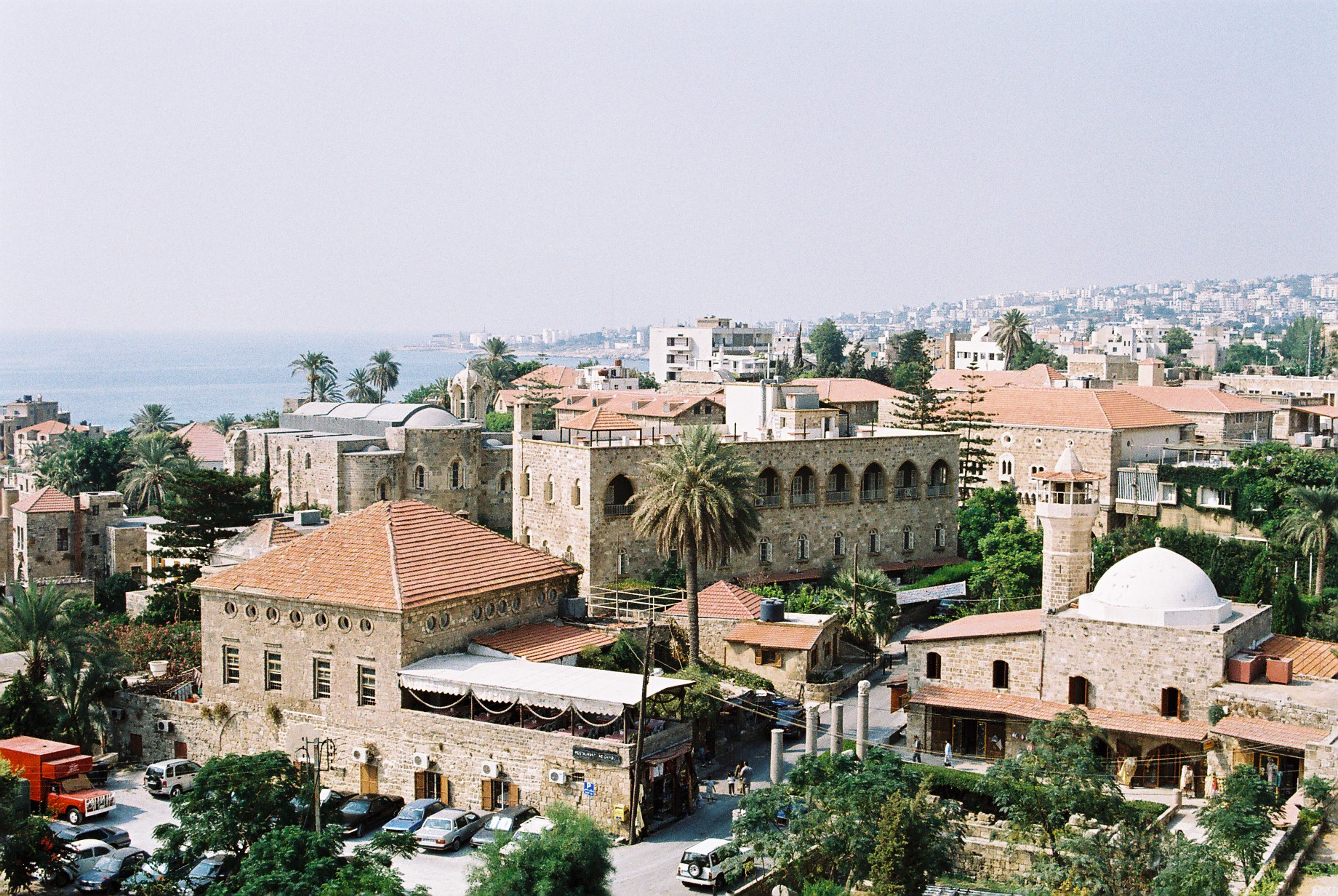
🏛️Byblos (Jbeil)
One of the oldest continuously inhabited cities, with Phoenician temples and a Crusader church.

⛪Vatican City (St. Peter's Basilica)
The spiritual center of Roman Catholicism and home of the Pope.
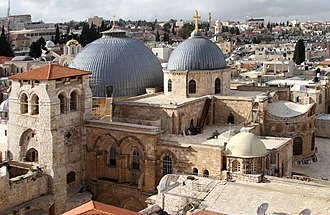
✝️Church of the Holy Sepulchre
The site where Jesus was crucified, buried, and resurrected.