
🏛️ Byblos (Jbeil)
Lebanon
About This Sacred Site
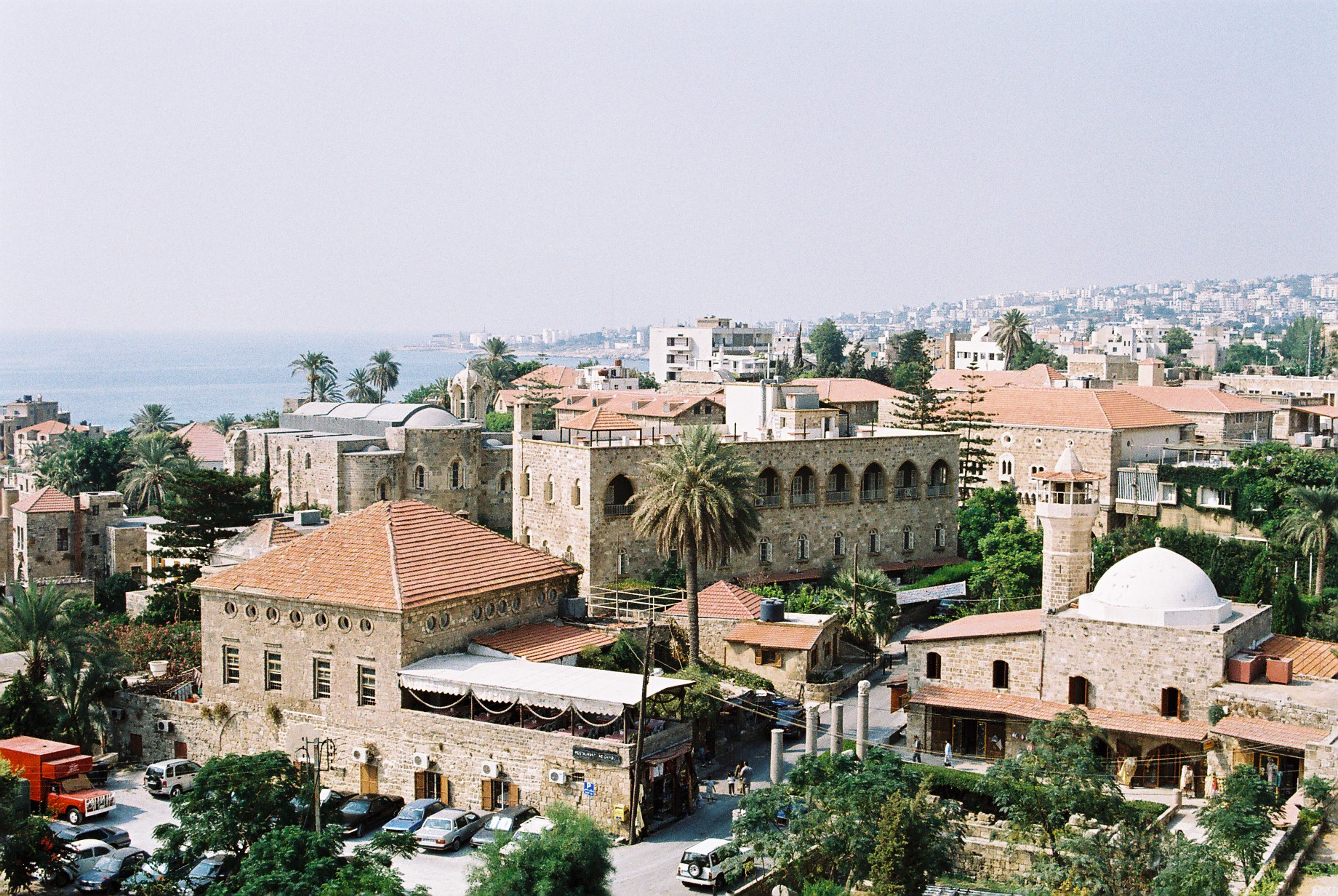
Byblos (Jbeil) is one of the oldest continuously inhabited cities in the world, with a history spanning over 7,000 years. The archaeological site includes Phoenician temples dedicated to Baalat Gebal (Lady of Byblos), an Egyptian-influenced obelisk temple, a Roman colonnade, and a beautifully preserved 12th-century Crusader Church of St. John. The city gave its name to the Greek word for book (biblion) and thus the Bible. Its layered religious heritage makes it a uniquely multi-faith historical site.
History & Origins
Byblos (Jbeil) in Lebanon is one of the world’s oldest continuously inhabited cities, with archaeological layers dating back to circa 5000 BCE. It was a prominent Phoenician port and religious center, famous for its devotion to the god Baal and the goddess Astarte. Byblos played a critical role in the development of the Phoenician alphabet, influencing writing systems across the Mediterranean. The city experienced rule by Egyptians, Assyrians, Babylonians, Persians, Greeks, and Romans, each leaving architectural and cultural imprints. Its ancient harbor facilitated extensive maritime trade, making Byblos a nexus of commerce and cultural exchange. The city’s archaeological site includes temples, a Roman amphitheater, and medieval Crusader castles, reflecting its multilayered history and significance as a multi-faith sacred site.
Spiritual Significance
Byblos, known as Jbeil in Arabic, hosts a confluence of religious traditions due to its continuous habitation since circa 5000 BCE, making it a sacred site for Phoenician, Roman, Christian, and Muslim communities. Phoenician temples dated to the 3rd millennium BCE, such as the Temple of Baalat Gebal, were dedicated to the city goddess, with rituals involving offerings of incense and libations documented in ancient inscriptions. Christian pilgrims visit the 12th-century Crusader-era St. John the Baptist Church during the Feast of Saint John, celebrated annually on June 24th with processions and masses reflecting medieval liturgical customs. The city's ancient port was referenced in the Old Testament as Gebal, linking it to biblical narratives and the transmission of the "Bible" itself, as the Greek term byblos derives from the city's name. Muslim residents observe Ashura commemorations at local mosques, integrating Byblos within Shia devotional calendars. Archaeological findings reveal votive stelae and altars indicating long-standing ritual practices, while modern festivals celebrate Byblos as a spiritual crossroads, attracting pilgrims who engage in prayer at both ancient ruins and contemporary religious sites.
Key Facts
- •One of the oldest continuously inhabited cities, over 7,000 years old
- •Gave its name to the Greek word for 'book' and thus 'Bible'
- •Contains Phoenician temples dating to the 3rd millennium BCE
- •The Crusader Church of St. John dates to the 12th century
- •UNESCO World Heritage Site since 1984
Location
Coordinates: 34.1214, 35.6487
Frequently Asked Questions
What religion is Byblos (Jbeil) associated with?▾
Byblos (Jbeil) is a Multi-faith holy site located in Lebanon. It was established c. 5000 BCE and is ranked #52 in our global directory of sacred sites.
When was Byblos (Jbeil) established?▾
Byblos (Jbeil) dates back to c. 5000 BCE. One of the oldest continuously inhabited cities, over 7,000 years old
How many people visit Byblos (Jbeil) each year?▾
Byblos (Jbeil) receives approximately 400,000 visitors per year. Gave its name to the Greek word for 'book' and thus 'Bible'
What is Byblos (Jbeil) known for?▾
One of the oldest continuously inhabited cities, with Phoenician temples and a Crusader church. Visitors come seeking ancestral connection, spiritual enlightenment, peace, guidance. Contains Phoenician temples dating to the 3rd millennium BCE
Related Holy Sites
Sacred places connected by country, religion, and purpose
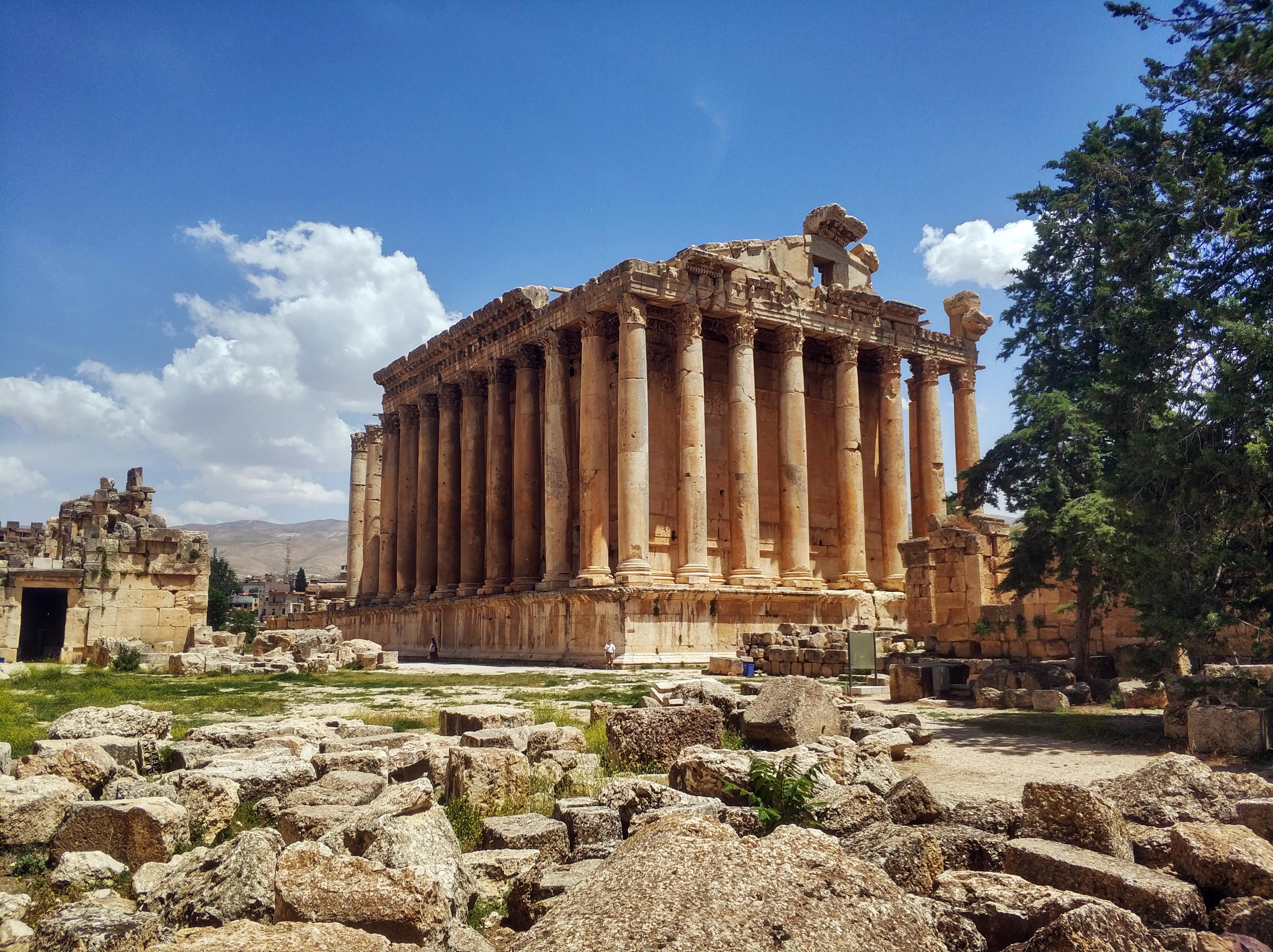
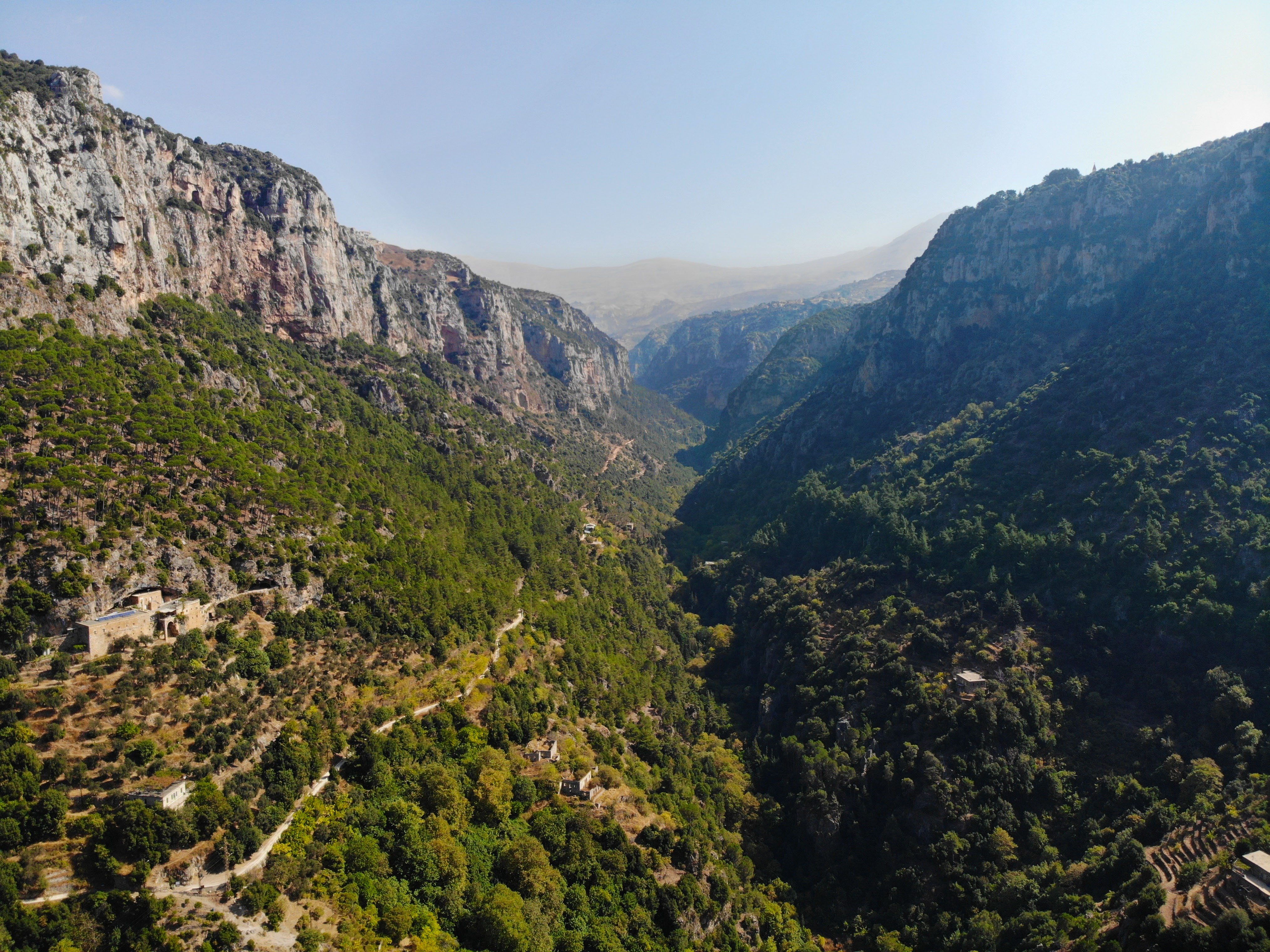
⛰️Qadisha Valley (Holy Valley)
A UNESCO-listed gorge that sheltered persecuted Maronite Christians for centuries.
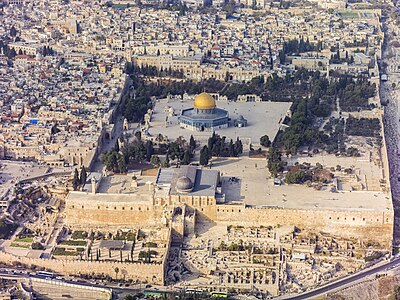
🕌Temple Mount / Al-Aqsa (Jerusalem)
Sacred to Judaism, Christianity, and Islam — the most contested holy site on Earth.
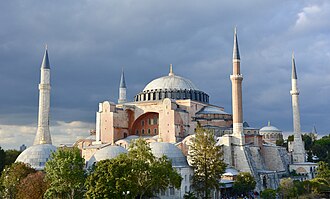
🏛️Hagia Sophia
A masterpiece that served as cathedral, mosque, and museum across centuries.
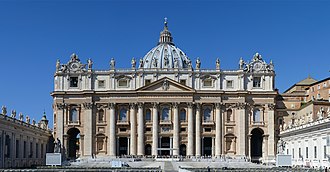
⛪Vatican City (St. Peter's Basilica)
The spiritual center of Roman Catholicism and home of the Pope.
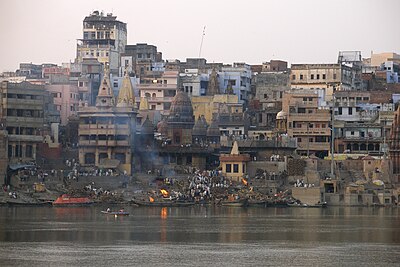
🙏Varanasi (Kashi Vishwanath Temple)
The holiest city in Hinduism, where the Ganges River purifies the soul.

