🏛️ Speyer Cathedral
Germany
About This Sacred Site
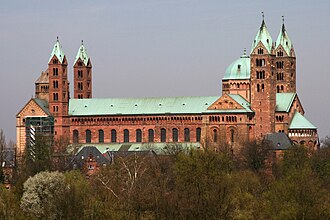
Speyer Cathedral is the largest surviving Romanesque church in the world and a masterpiece of medieval architecture. Built between 1030 and 1106 by the Salian dynasty of Holy Roman Emperors, it served as the imperial burial church. The crypt, the largest Romanesque hall crypt in existence, contains the tombs of eight German emperors and kings, along with several empresses. The cathedral's massive dimensions — 134 meters long with vaults reaching 33 meters — made it the largest building in the Christian world when it was completed. Its architectural innovations influenced church building across Europe.
History & Origins
Speyer Cathedral, begun in 1030 by Conrad II, is the largest surviving Romanesque church globally. It served as the burial site for Salian emperors and symbolized imperial authority. Its massive vaulted nave and twin towers exemplify early Romanesque innovation. The cathedral underwent significant Baroque and Gothic modifications, later restored to its original Romanesque form in the 19th and 20th centuries. Recognized as a UNESCO World Heritage Site, Speyer Cathedral remains a monumental testament to medieval architecture and imperial German history.
Spiritual Significance
Speyer Cathedral is deeply significant for its role as the burial site of eight medieval German emperors and kings, including Conrad II and Henry IV, whose tombs lie in the crypt, making the cathedral a focal point for imperial Christian authority. The cathedral's dedication to the Assumption of the Virgin Mary underscores Marian devotion, celebrated annually on August 15 with a pontifical mass and candlelit processions around the nave. The Romanesque architecture symbolizes the medieval Church's theological emphasis on strength and permanence, reflecting Psalm 18:2's imagery of the Lord as a stronghold. Pilgrims historically traveled to Speyer for imperial coronation ceremonies held nearby, intertwining political and spiritual rites. The cathedral's large nave facilitates liturgical celebrations in accordance with the Roman Missal, including the Easter Vigil and Christmas Mass, drawing congregants from across the Rhineland. Speyer's designation as a UNESCO World Heritage Site since 1981 highlights its role as the largest surviving Romanesque church, embodying the medieval synthesis of faith and imperial power.
Key Facts
- •UNESCO World Heritage Site since 1981
- •The largest surviving Romanesque church in the world
- •The crypt contains the tombs of eight medieval German emperors and kings
- •At 134 meters long, it was the largest building in Christendom when completed
- •Pioneered the use of groin vaults on a monumental scale in Romanesque architecture
Location
Coordinates: 49.3173, 8.4424
Frequently Asked Questions
What religion is Speyer Cathedral associated with?▾
Speyer Cathedral is a Christianity holy site located in Germany. It was established 1030 and is ranked #173 in our global directory of sacred sites.
When was Speyer Cathedral established?▾
Speyer Cathedral dates back to 1030. UNESCO World Heritage Site since 1981
How many people visit Speyer Cathedral each year?▾
Speyer Cathedral receives approximately 500,000 visitors per year. The largest surviving Romanesque church in the world
What is Speyer Cathedral known for?▾
The largest Romanesque church in the world, burial place of medieval German emperors. Visitors come seeking pilgrimage, peace, blessings, guidance. The crypt contains the tombs of eight medieval German emperors and kings
Related Holy Sites
Sacred places connected by country, religion, and purpose
⛪Cologne Cathedral
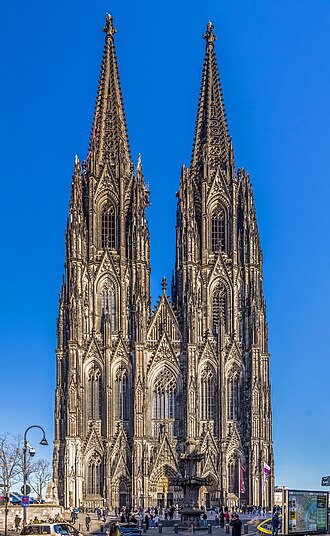
Germany's most visited landmark, a Gothic masterpiece housing the Shrine of the Three Kings.
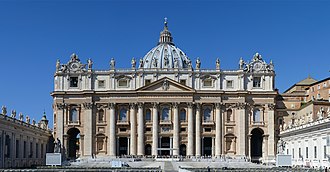
⛪Vatican City (St. Peter's Basilica)
The spiritual center of Roman Catholicism and home of the Pope.
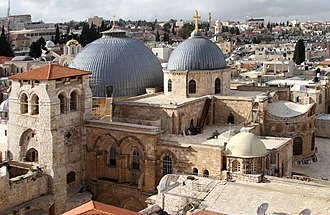
✝️Church of the Holy Sepulchre
The site where Jesus was crucified, buried, and resurrected.