⛪ Solovetsky Monastery
Russia
About This Sacred Site
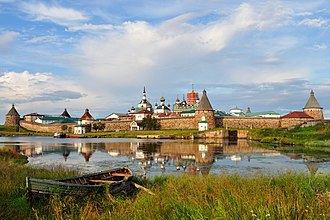
The Solovetsky Monastery, founded in 1436 on the Solovetsky Islands in the White Sea, grew into one of Russia’s richest and most fortified religious centers. It played a crucial role in spreading Orthodoxy in northern Russia and served as a defensive fortress, prison, and spiritual retreat. The monastery complex includes massive stone walls, churches, and living quarters. Its remote location near the Arctic Circle and historical significance as a religious and political site underscore its unique place in Russian heritage.
History & Origins
Founded in 1436 by monks Zosima and Savvatiy on the Solovetsky Islands in the White Sea, the monastery quickly grew into a major spiritual and economic center of the Russian North. Its massive fortress walls and towers, constructed during the 16th century under the supervision of hegumen Philip, were designed to withstand attacks and successfully resisted multiple sieges, including those during the Livonian War (1558–1583). In the 17th century, the monastery expanded its holdings and served as a place of exile and imprisonment during the Tsarist regime, notably in the 1920s when it was converted into a Soviet labor camp under the Gulag system. Restoration efforts began in the 1970s, preserving its unique architectural fusion of medieval Russian and Byzantine styles. Today, it functions as a museum and active monastery under the Russian Orthodox Church, with key renovations to the Cathedral of the Transfiguration completed in 2005. The site was inscribed as a UNESCO World Heritage Site in 1992 for its historic and cultural significance.
Spiritual Significance
The monastery's spiritual importance is marked by the annual celebration of the feast day of Saints Zosima and Savvatiy on August 19, which draws pilgrims who perform processions around the fortress walls. It is renowned for the practice of hesychasm, a mystical tradition of contemplative prayer that traces back to 14th-century Russian ascetics. The monastery’s liturgical calendar follows the Slavic Orthodox tradition, with special vespers and matins conducted in the 16th-century Cathedral of the Transfiguration. Pilgrims participate in the blessing of the waters ceremony performed in the icy White Sea, reflecting ancient rituals mentioned in the Russian Orthodox Euchologion. The monastery houses relics of St. Philip, venerated for his resistance to the Polish-Lithuanian invaders during the Time of Troubles, and prayers invoking his intercession are common. The spiritual life is further enriched by the chanting of znamenny chant, preserving medieval Russian liturgical music, and the monastery serves as a symbol of endurance and faith through periods of persecution.
Key Facts
- •Founded in 1436 by monks Zosima and Savvatiy on remote White Sea islands
- •Its fortress walls and towers date to the 16th century and withstood multiple sieges
- •Converted into one of the Soviet Union's first gulag labor camps in 1923
- •Designated a UNESCO World Heritage Site in 1992
- •The monastery's complex includes churches, a botanical garden, and canal systems built by monks
Location
Coordinates: 65.0245, 35.7096
Frequently Asked Questions
What religion is Solovetsky Monastery associated with?▾
Solovetsky Monastery is a Christianity holy site located in Russia. It was established 1436 and is ranked #493 in our global directory of sacred sites.
When was Solovetsky Monastery established?▾
Solovetsky Monastery dates back to 1436. Founded in 1436 by monks Zosima and Savvatiy on remote White Sea islands
How many people visit Solovetsky Monastery each year?▾
Solovetsky Monastery receives approximately 100,000 visitors per year. Its fortress walls and towers date to the 16th century and withstood multiple sieges
What is Solovetsky Monastery known for?▾
A fortified island monastery in the White Sea that became one of the most important spiritual centers—and later a notorious Soviet gulag. Visitors come seeking pilgrimage, purification, peace, spiritual enlightenment. Converted into one of the Soviet Union's first gulag labor camps in 1923
Related Holy Sites
Sacred places connected by country, religion, and purpose
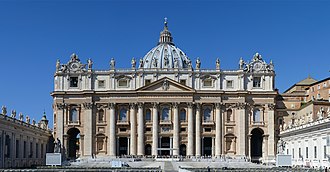
⛪Vatican City (St. Peter's Basilica)
The spiritual center of Roman Catholicism and home of the Pope.
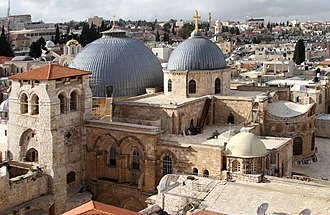
✝️Church of the Holy Sepulchre
The site where Jesus was crucified, buried, and resurrected.