
🕳️ Sof Omar Caves
Ethiopia
About This Sacred Site
The Sof Omar Caves in southeastern Ethiopia form one of the most extensive cave systems in Africa, carved by the Weyib River through limestone over millions of years. The caves have been a sacred site for centuries, first for the indigenous Oromo people who practiced pre-Islamic rituals here, and later for Muslims who named the caves after Sheikh Sof Omar, a 12th-century holy man who used them as a place of prayer and refuge. The caves feature extraordinary natural formations including massive pillars, arches, and cathedral-like chambers. Today, both Muslim and traditional Oromo pilgrims visit the caves, making it a unique dual-faith sacred site. The main entrance is marked by the river emerging from darkness through a spectacular natural arch.
Spiritual Significance
Dating back to the 12th century CE, this extensive cave system extends over 15 kilometers in the Bale Mountains of Ethiopia, serving as a sacred site for both Muslims and practitioners of traditional Oromo spirituality. Named after Sheikh Sof Oma, a revered Islamic figure believed to have used the caves for meditation and teaching, the site hosts annual Muslim pilgrimages during the Mawlid celebration commemorating the Prophet Muhammad’s birth. Oromo spiritualists perform rituals involving libations and prayers to ancestral spirits within the caverns, reflecting syncretic religious practices. The caves' natural acoustics facilitate Sufi chanting and Quranic recitations, embedding the site with layers of spiritual resonance. The dual faith veneration emphasizes the caves as a liminal space where Islamic tariqas and indigenous Oromo beliefs intersect, maintaining oral traditions tied to Sheikh Sof Oma’s legacy and the spiritual geography of the region.
Key Facts
- •One of the longest cave systems in Africa, stretching over 15 kilometers
- •Sacred to both Muslims and practitioners of traditional Oromo spirituality
- •Named after Sheikh Sof Omar, a 12th-century Muslim holy man
- •The Weyib River flows through the caves, creating dramatic underground chambers
- •Contains massive natural pillars and cathedral-like formations
Location
Coordinates: 6.9083, 40.8417
Frequently Asked Questions
What religion is Sof Omar Caves associated with?▾
Sof Omar Caves is a Multi-faith holy site located in Ethiopia. It was established c. 12th century CE (Islamic association) and is ranked #564 in our global directory of sacred sites.
When was Sof Omar Caves established?▾
Sof Omar Caves dates back to c. 12th century CE (Islamic association). One of the longest cave systems in Africa, stretching over 15 kilometers
How many people visit Sof Omar Caves each year?▾
Sof Omar Caves receives approximately 20,000 visitors per year. Sacred to both Muslims and practitioners of traditional Oromo spirituality
What is Sof Omar Caves known for?▾
Africa's longest cave system, sacred to both Muslims and pre-Islamic Oromo spiritual practice. Visitors come seeking spiritual enlightenment, pilgrimage, ancestral connection, meditation. Named after Sheikh Sof Omar, a 12th-century Muslim holy man
Related Holy Sites
Sacred places connected by country, religion, and purpose
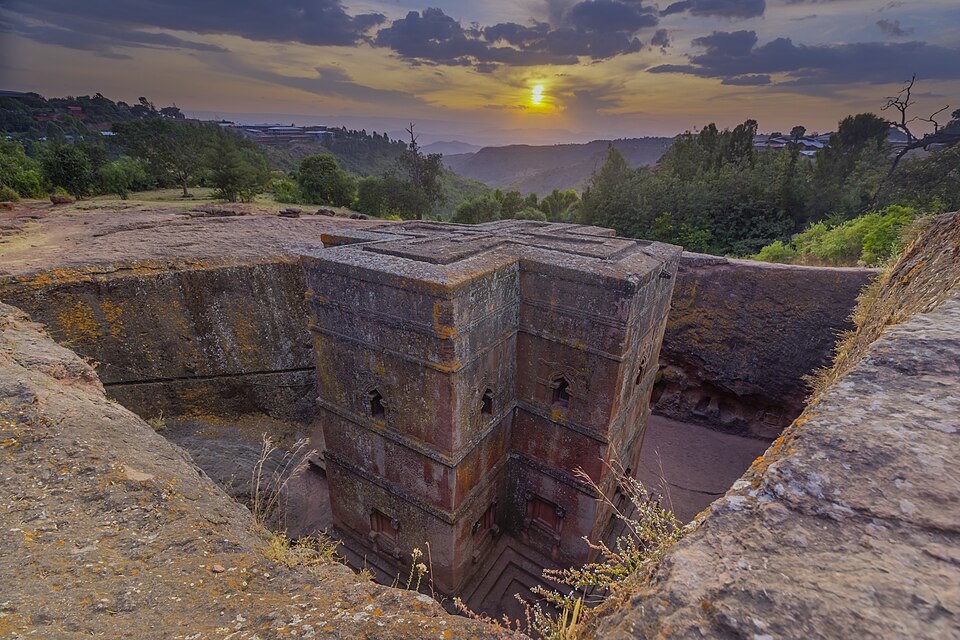
⛪Lalibela Rock-Hewn Churches
Eleven medieval churches carved entirely from living rock in Ethiopia.

🕌Temple Mount / Al-Aqsa (Jerusalem)
Sacred to Judaism, Christianity, and Islam — the most contested holy site on Earth.
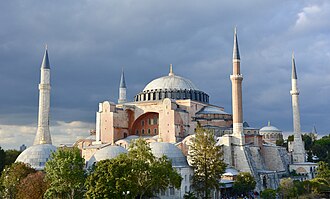
🏛️Hagia Sophia
A masterpiece that served as cathedral, mosque, and museum across centuries.
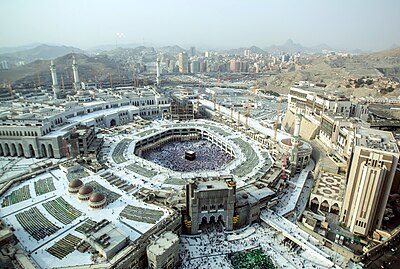
🕋Masjid al-Haram (Great Mosque of Mecca)
The holiest site in Islam, home of the Kaaba, and the destination for Hajj pilgrimage.
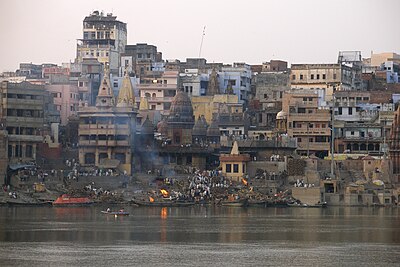
🙏Varanasi (Kashi Vishwanath Temple)
The holiest city in Hinduism, where the Ganges River purifies the soul.

