⛪ Lalibela Rock-Hewn Churches
Ethiopia
About This Sacred Site
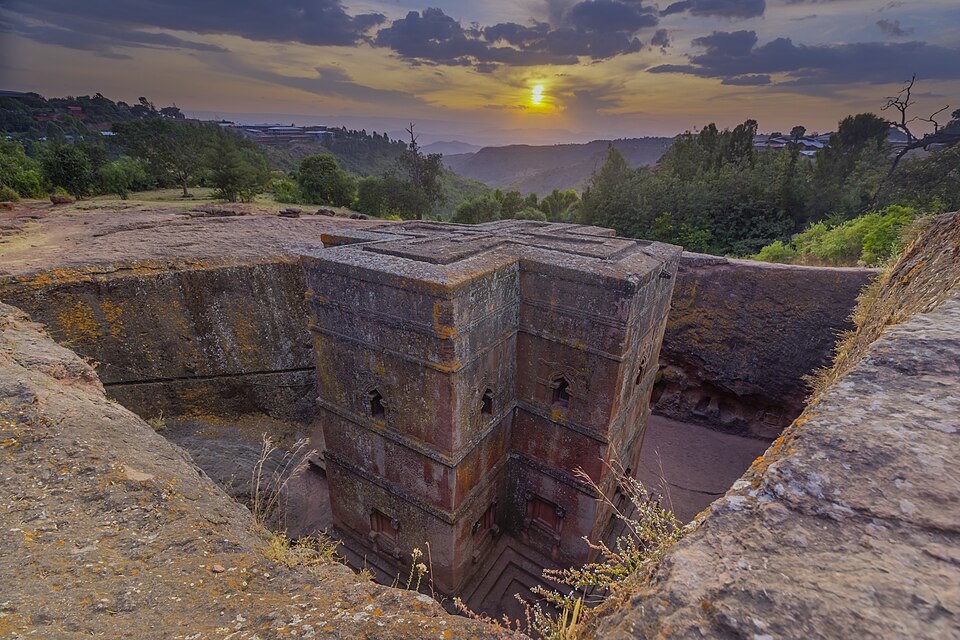
Lalibela, in northern Ethiopia, is renowned for its eleven medieval rock-hewn churches carved directly from volcanic rock during the 12th and 13th centuries. These monolithic structures are connected by a complex system of tunnels and trenches, reflecting advanced engineering and profound religious symbolism. Built under King Lalibela’s reign, the churches were intended as a "New Jerusalem" for Ethiopian Orthodox Christians. The site remains an active pilgrimage center, especially during religious festivals, and is recognized as a UNESCO World Heritage Site.
Spiritual Significance
The Lalibela Rock-Hewn Churches, created during King Lalibela's reign in the late 12th and early 13th centuries, serve as a major pilgrimage site for Ethiopian Orthodox Christians. Pilgrims engage in ritual processions and prayers during the annual Timkat (Epiphany) festival, which commemorates the baptism of Jesus in the Jordan River, reflecting the churches' symbolic representation of Jerusalem. The eleven monolithic churches, carved directly from volcanic tuff, are interconnected by tunnels and trenches, embodying a physical and spiritual journey through sacred space. The site is associated with the Kebra Nagast, Ethiopia's national epic, which legitimizes the Solomonic dynasty's divine right to rule, linking the churches to biblical tradition. Worship practices include chanting Ge’ez hymns, incense offerings, and veneration of tabots (replicas of the Ark of the Covenant) housed within each church. The churches' architectural orientation and design reflect theological concepts of heaven and earth, making the site a focal point for Ethiopian Orthodox liturgy and pilgrimage.
Key Facts
- •All eleven churches were carved from solid volcanic rock
- •Built during the reign of King Lalibela in the 12th-13th century
- •UNESCO World Heritage Site since 1978
- •The churches are still actively used for daily worship
- •Connected by a series of underground tunnels and passageways
Location
Coordinates: 12.0319, 39.0422
Frequently Asked Questions
What religion is Lalibela Rock-Hewn Churches associated with?▾
Lalibela Rock-Hewn Churches is a Christianity holy site located in Ethiopia. It was established c. 1200 CE and is ranked #25 in our global directory of sacred sites.
When was Lalibela Rock-Hewn Churches established?▾
Lalibela Rock-Hewn Churches dates back to c. 1200 CE. All eleven churches were carved from solid volcanic rock
How many people visit Lalibela Rock-Hewn Churches each year?▾
Lalibela Rock-Hewn Churches receives approximately 200,000 visitors per year. Built during the reign of King Lalibela in the 12th-13th century
What is Lalibela Rock-Hewn Churches known for?▾
Eleven medieval churches carved entirely from living rock in Ethiopia. Visitors come seeking pilgrimage, blessings, spiritual enlightenment, healing. UNESCO World Heritage Site since 1978
Related Holy Sites
Sacred places connected by country, religion, and purpose

⛪Vatican City (St. Peter's Basilica)
The spiritual center of Roman Catholicism and home of the Pope.
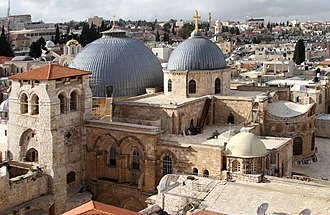
✝️Church of the Holy Sepulchre
The site where Jesus was crucified, buried, and resurrected.