
💀 Skull Island Shrines
Solomon Islands
About This Sacred Site
Skull Island Shrines in the Solomon Islands consist of multiple small, open-air wooden structures built from local hardwoods and palm leaves, some measuring approximately 3 meters in height and 2 meters in width. The shrines are located on isolated coastal islets, with platforms designed to display human skulls prominently. These skulls, often adorned with coconut fiber and shell decorations, belonged primarily to tribal chiefs and warriors. The shrines also contain skulls acquired during headhunting raids between the 18th and early 20th centuries. The arrangement of skulls follows specific clan hierarchies, and the sites are surrounded by ritual stone markers carved from volcanic rock, emphasizing their sacred nature within indigenous architecture traditions.
History & Origins
The Skull Island Shrines date back centuries and are integral to the ancestral and spiritual traditions of the Western Province’s indigenous communities. These shrines were constructed as part of elaborate rituals honoring ancestors and maintaining clan identities. The human skulls, often from respected leaders or warriors, were preserved and displayed to invoke protection and blessings. European contact in the 19th and 20th centuries brought changes to local practices, but many communities have retained the shrines’ sacred status. The sites illustrate the deep connection between spirituality, death, and social structure in Melanesian culture. They have become important both for cultural preservation and as a testament to the rich indigenous spiritual heritage of the Solomon Islands, attracting anthropologists and respectful visitors interested in Pacific Island history.
Spiritual Significance
The skulls preserved in these shrines are believed to retain the spiritual power (mana) of deceased chiefs, crucial for protecting the community and ensuring fertility and prosperity, as documented in Solomon Islands oral traditions. Rituals involve periodic offerings of food and betel nut to the skulls, a practice linked to ancestral worship and the maintenance of social order. During the annual yam harvest festival, specific dances and chants are performed at the shrines to honor the spirits residing in the skulls. The practice of headhunting, which contributed skulls to some shrines, was intertwined with beliefs about capturing enemy spirits to strengthen one’s own clan, a theme explored in ethnographic studies of Melanesian spirituality. Shamans, known locally as sanguma, conduct purification ceremonies here, invoking ancestral guidance as recorded in indigenous spiritual lore.
Key Facts
- •Skulls of chiefs were preserved to maintain their spiritual power for the community
- •Some shrines also contain skulls taken during headhunting raids
- •Headhunting in the Solomon Islands ended in the early 20th century
- •The skull shrines are located on small islets in the lagoons of the Western Province
- •Local communities still observe traditional taboos around the sacred sites
Location
Coordinates: -8.1000, 156.8000
Frequently Asked Questions
What religion is Skull Island Shrines associated with?▾
Skull Island Shrines is a Indigenous holy site located in Solomon Islands. It was established Ancient and is ranked #1025 in our global directory of sacred sites.
When was Skull Island Shrines established?▾
Skull Island Shrines dates back to Ancient. Skulls of chiefs were preserved to maintain their spiritual power for the community
How many people visit Skull Island Shrines each year?▾
Skull Island Shrines receives approximately 3,000 visitors per year. Some shrines also contain skulls taken during headhunting raids
What is Skull Island Shrines known for?▾
Sacred ancestral shrines in the Western Province where skulls of chiefs and warriors are venerated. Visitors come seeking ancestral connection, protection, guidance. Headhunting in the Solomon Islands ended in the early 20th century
Related Holy Sites
Sacred places connected by country, religion, and purpose

⛪Holy Cross Cathedral, Honiara
The Anglican cathedral of the Solomon Islands' capital.

🕊️Guadalcanal American Memorial
A memorial on the WWII battlefield where thousands perished in the Pacific campaign.
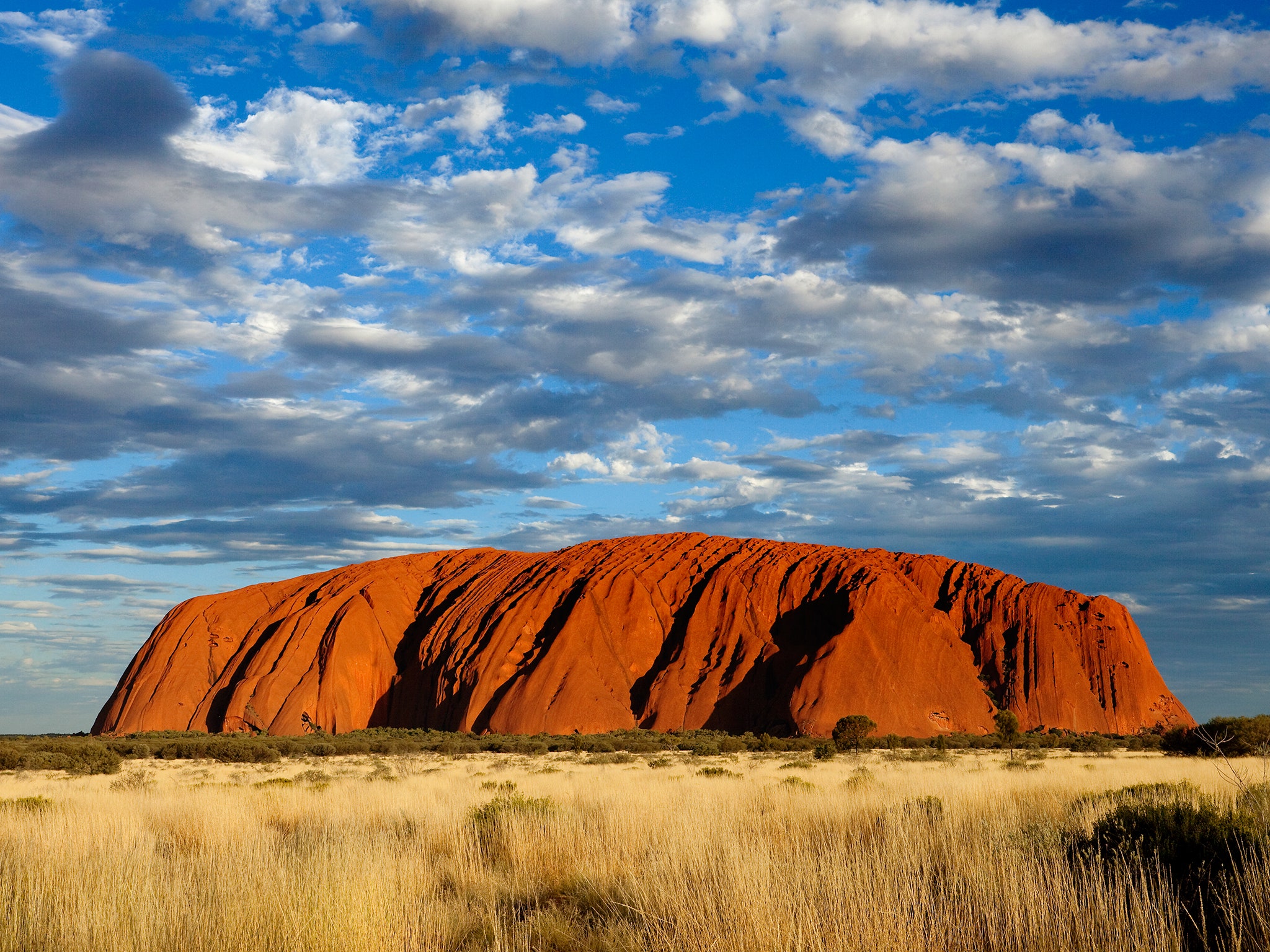
🪨Uluru (Ayers Rock)
A sacred monolith central to Aboriginal Australian creation stories.
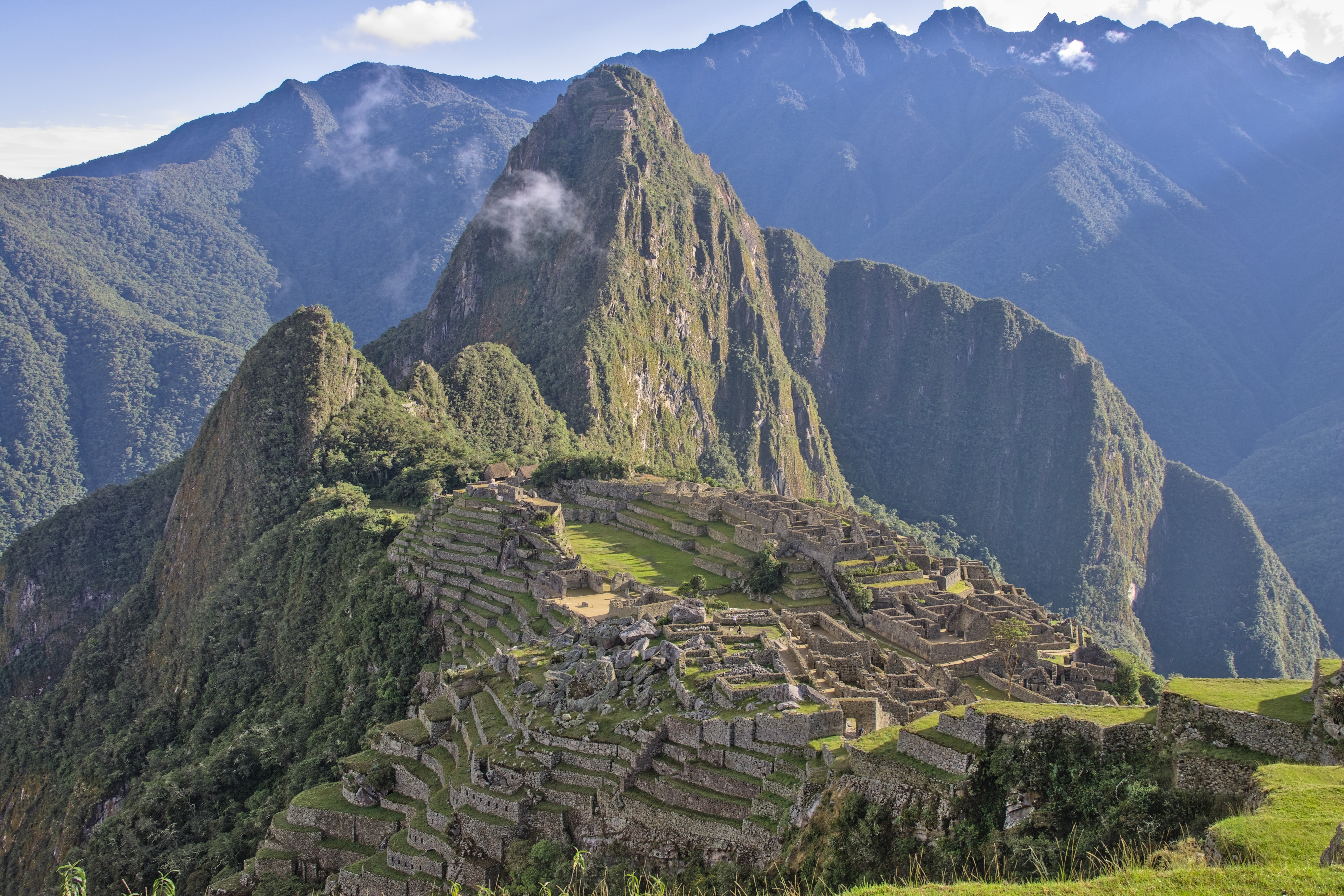
🏔️Machu Picchu
A sacred Inca citadel set high in the Andes, aligned with astronomical events.
⛪Vatican City (St. Peter's Basilica)
The spiritual center of Roman Catholicism and home of the Pope.
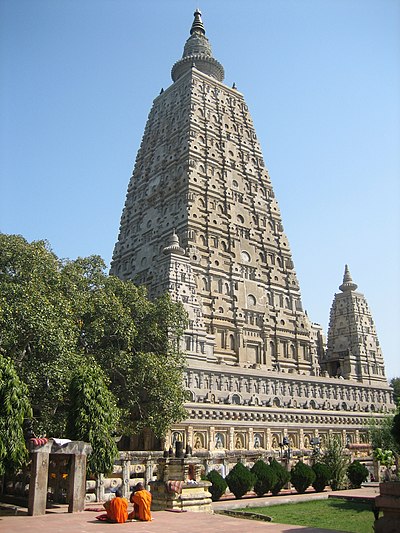
☸️Bodh Gaya (Mahabodhi Temple)
Where Siddhartha Gautama attained enlightenment and became the Buddha.

