
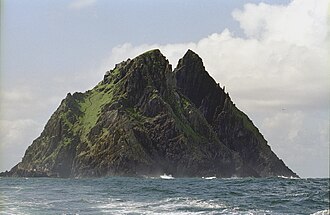
⛪ Skellig Michael
Ireland
About This Sacred Site
Skellig Michael, a rugged island rising 218 meters above the Atlantic Ocean off County Kerry, Ireland, hosts a remarkable early Christian monastic settlement dating to around 588 CE. The monks built stone beehive huts, or clocháns, on terraces carved into steep cliffs, emphasizing isolation and asceticism. The site’s remote location and preservation earned it UNESCO World Heritage status. It is renowned for its spiritual atmosphere, archaeological significance, and dramatic natural beauty, representing early Irish monasticism’s endurance.
History & Origins
Established around 588 CE, the monastic settlement on Skellig Michael is perched 230 meters above sea level on a rugged island off the coast of County Kerry, Ireland. Its six beehive huts (clocháns), stone oratories, and terraces were constructed using dry-stone corbelling techniques without mortar, demonstrating remarkable engineering adapted to the harsh environment. Monastic occupation lasted until approximately the 12th century, with the site serving as a remote retreat for ascetic monks seeking solitude. Access to the monastery requires climbing 618 steps carved directly into the rock face, underscoring the physical challenges faced by inhabitants and visitors. The island was inscribed as a UNESCO World Heritage Site in 1996, recognizing its outstanding universal value as an early medieval monastic site.
Spiritual Significance
Skellig Michael represents the embodiment of early Irish monastic ideals of isolation and contemplation, with monks following the Rule of St. Columbanus emphasizing austerity. Pilgrims today undertake the arduous climb of 618 steps as a form of penance and spiritual purification, mirroring the monks’ dedication to prayer and fasting. The beehive huts served as cells for solitary meditation and communal worship, reflecting a balance between eremitic and cenobitic monasticism. The site is associated with celebrations of Saint Michael the Archangel, whose feast day on September 29 was marked with liturgies invoking protection and spiritual warfare. The natural acoustics of the stone oratories facilitated the chanting of Psalms and recitation of the Divine Office, integral to monastic daily rhythm.
Key Facts
- •Monks inhabited the island from roughly the 6th to the 12th century
- •The monastery is reached by climbing 618 stone steps hewn into the cliff
- •Six beehive huts (clocháns) survive in near-perfect condition after 1,400 years
- •Inscribed as a UNESCO World Heritage Site in 1996
- •Featured as the location of Luke Skywalker's exile in Star Wars: The Force Awakens and The Last Jedi
Location
Coordinates: 51.7710, -10.5395
Frequently Asked Questions
What religion is Skellig Michael associated with?▾
Skellig Michael is a Christianity holy site located in Ireland. It was established c. 588 and is ranked #478 in our global directory of sacred sites.
When was Skellig Michael established?▾
Skellig Michael dates back to c. 588. Monks inhabited the island from roughly the 6th to the 12th century
How many people visit Skellig Michael each year?▾
Skellig Michael receives approximately 16,000 (access limited) visitors per year. The monastery is reached by climbing 618 stone steps hewn into the cliff
What is Skellig Michael known for?▾
A remote island monastery off the Kerry coast where monks lived in stone beehive huts for 600 years. Visitors come seeking spiritual enlightenment, pilgrimage, peace, purification. Six beehive huts (clocháns) survive in near-perfect condition after 1,400 years
Related Holy Sites
Sacred places connected by country, religion, and purpose
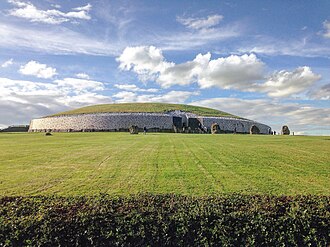
🌀Newgrange
A 5,000-year-old passage tomb older than Stonehenge, aligned to the winter solstice sunrise.
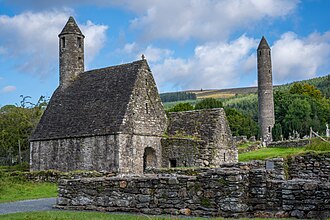
⛪Glendalough
An early medieval monastic settlement in a glacial valley in the Wicklow Mountains.
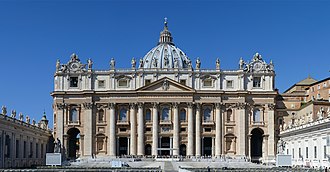
⛪Vatican City (St. Peter's Basilica)
The spiritual center of Roman Catholicism and home of the Pope.
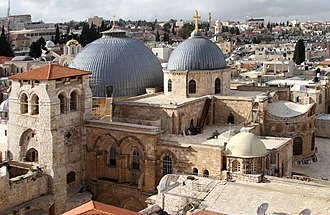
✝️Church of the Holy Sepulchre
The site where Jesus was crucified, buried, and resurrected.
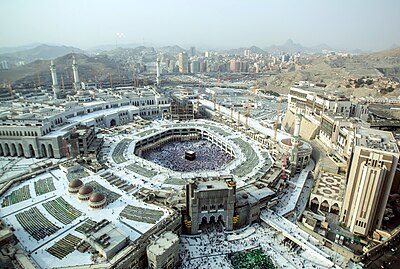
🕋Masjid al-Haram (Great Mosque of Mecca)
The holiest site in Islam, home of the Kaaba, and the destination for Hajj pilgrimage.
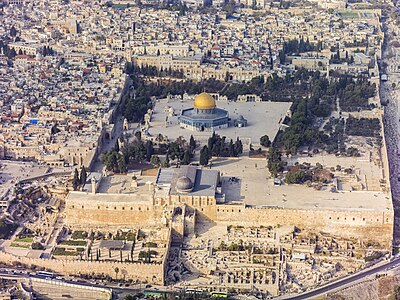
🕌Temple Mount / Al-Aqsa (Jerusalem)
Sacred to Judaism, Christianity, and Islam — the most contested holy site on Earth.

