⛪ Glendalough
Ireland
About This Sacred Site
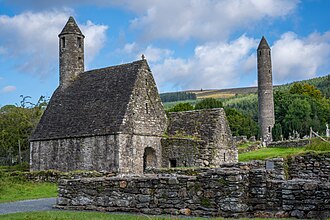
Glendalough, meaning "Valley of Two Lakes," is a glacial valley in County Wicklow, Ireland, housing the ruins of an early medieval monastic settlement founded by St. Kevin in the 6th century. The site features a distinctive round tower, several churches, and monastic buildings nestled in a scenic landscape. It served as a major center of Christian learning and pilgrimage for centuries. Today, Glendalough’s evocative ruins and natural beauty make it a symbol of Ireland’s spiritual heritage and monastic tradition.
History & Origins
Founded circa the 6th century by St. Kevin, an Irish monk who reputedly lived as a hermit in a cave overlooking the upper lake, the monastic settlement rapidly developed into a major ecclesiastical center. The 33-meter tall round tower, constructed in the 10th or 11th century, served multiple purposes including as a bell tower and refuge against Viking raids documented in annals from the 9th century. The monastic complex expanded through the medieval period with the addition of churches such as St. Peter and St. Paul’s Cathedral built in the 12th century under local Gaelic kings. After the dissolution of monasteries in the 16th century under English rule, the site became a pilgrimage destination during the 19th-century Celtic Revival. Archaeological conservation efforts began in the 20th century, preserving the stone churches and monastic enclosures visible today.
Spiritual Significance
Pilgrims have visited the site since the 6th century to honor St. Kevin, whose hermitage cave remains a place of reflection and prayer. Annual pilgrimages occur on St. Kevin’s feast day, June 3rd, involving processions and masses conducted in the ruins of the 12th-century cathedral. The round tower’s bell historically called monks to prayer and alerted the community to danger, embodying the monastic rhythm of the Divine Office. Early Irish Christian manuscripts reference Glendalough as a center of learning and ascetic practice, linking it to Celtic monastic traditions emphasizing solitude, prayer, and nature. Contemporary pilgrims often perform the 'Seven Churches Walk', visiting the extant chapels and monastic sites to meditate on early Christian Irish spirituality.
Key Facts
- •Founded by St. Kevin in the 6th century, who supposedly lived as a hermit in a cave above the lake
- •The round tower stands 33 meters tall and served as a bell tower, watchtower, and refuge
- •St. Kevin's Kitchen is a stone church with a miniature round tower that resembles a chimney
- •The monastic city was raided by Vikings multiple times but rebuilt each time
- •The Wicklow Way, Ireland's oldest waymarked trail, passes through the valley
Location
Coordinates: 53.0113, -6.3296
Frequently Asked Questions
What religion is Glendalough associated with?▾
Glendalough is a Christianity holy site located in Ireland. It was established c. 6th century and is ranked #187 in our global directory of sacred sites.
When was Glendalough established?▾
Glendalough dates back to c. 6th century. Founded by St. Kevin in the 6th century, who supposedly lived as a hermit in a cave above the lake
How many people visit Glendalough each year?▾
Glendalough receives approximately 1 million visitors per year. The round tower stands 33 meters tall and served as a bell tower, watchtower, and refuge
What is Glendalough known for?▾
An early medieval monastic settlement in a glacial valley in the Wicklow Mountains. Visitors come seeking peace, spiritual enlightenment, healing, pilgrimage. St. Kevin's Kitchen is a stone church with a miniature round tower that resembles a chimney
Related Holy Sites
Sacred places connected by country, religion, and purpose
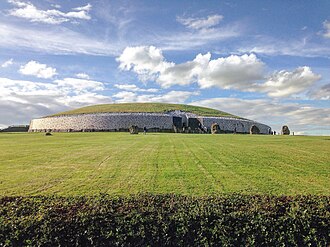
🌀Newgrange
A 5,000-year-old passage tomb older than Stonehenge, aligned to the winter solstice sunrise.
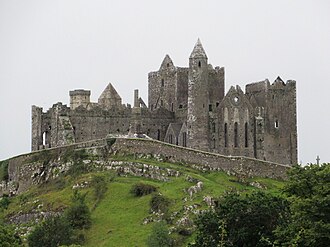
⛪Rock of Cashel
A spectacular hilltop complex of medieval buildings where St. Patrick baptized a king of Munster.
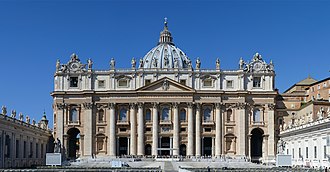
⛪Vatican City (St. Peter's Basilica)
The spiritual center of Roman Catholicism and home of the Pope.
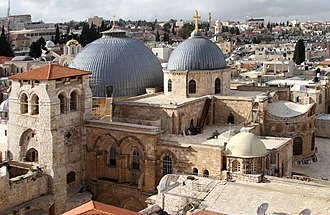
✝️Church of the Holy Sepulchre
The site where Jesus was crucified, buried, and resurrected.