
⛪ Rock of Cashel
Ireland
About This Sacred Site
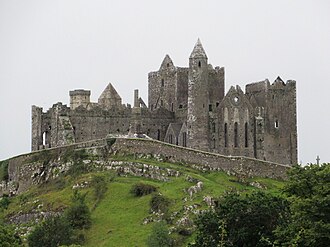
The Rock of Cashel, a steep limestone hill in County Tipperary, is crowned by a collection of medieval ecclesiastical buildings including a round tower, Cormac’s Chapel, a cathedral, and a high cross. Though the site’s use dates back to the 5th century, it rose to prominence as the seat of the Kings of Munster and an important Christian center from 1101 onward. The architecture reflects Romanesque and Gothic influences, and the site is intertwined with Irish legend and history, symbolizing religious and royal power.
History & Origins
The Rock of Cashel's ecclesiastical prominence dates to the 5th century, with tradition asserting that Saint Patrick baptized King Aengus of Munster there, establishing its role as a royal seat and Christian center. The existing medieval complex primarily dates from the 12th and 13th centuries, with Cormac's Chapel, built in 1134 by King Cormac Mac Carthaigh, containing Ireland's oldest surviving Romanesque frescoes and intricate stone carvings. The site includes a round tower, cathedral, and high crosses, reflecting successive phases of religious and political significance. It served as the seat of the Munster kings until 1101 when ecclesiastical control intensified. The complex was damaged during the Cromwellian conquest in 1647 but remains a key heritage site managed by the Office of Public Works.
Spiritual Significance
The Rock of Cashel functioned as a royal chapel and ecclesiastical hub where kings received Christian instruction and were ceremonially inaugurated, blending political authority with spiritual sanction. Annual liturgical celebrations commemorate Saint Patrick’s baptism of King Aengus, reinforcing the site's foundational Christian narrative. Cormac's Chapel's Romanesque frescoes depict biblical themes such as the Last Judgment, serving catechetical purposes for medieval worshippers. Pilgrimage practices included offerings at the high crosses and participation in feast day masses dedicated to local saints. The site's architecture, including the 28-meter tall round tower, symbolized the intertwining of monastic protection and ecclesiastical prominence in medieval Munster.
Key Facts
- •Tradition holds that St. Patrick baptized King Aengus of Munster here in the 5th century
- •Cormac's Chapel (1134) contains Ireland's oldest surviving Romanesque frescoes
- •Served as the seat of the Kings of Munster before being granted to the Church in 1101
- •The round tower dates to approximately 1100 CE and stands 28 meters tall
- •The 13th-century Gothic cathedral has no roof, lending the site its dramatic silhouette
Location
Coordinates: 52.5204, -7.8909
Frequently Asked Questions
What religion is Rock of Cashel associated with?▾
Rock of Cashel is a Christianity holy site located in Ireland. It was established c. 5th century (ecclesiastical use from 1101) and is ranked #245 in our global directory of sacred sites.
When was Rock of Cashel established?▾
Rock of Cashel dates back to c. 5th century (ecclesiastical use from 1101). Tradition holds that St. Patrick baptized King Aengus of Munster here in the 5th century
How many people visit Rock of Cashel each year?▾
Rock of Cashel receives approximately 400,000 visitors per year. Cormac's Chapel (1134) contains Ireland's oldest surviving Romanesque frescoes
What is Rock of Cashel known for?▾
A spectacular hilltop complex of medieval buildings where St. Patrick baptized a king of Munster. Visitors come seeking ancestral connection, blessings, pilgrimage, spiritual enlightenment. Served as the seat of the Kings of Munster before being granted to the Church in 1101
Related Holy Sites
Sacred places connected by country, religion, and purpose
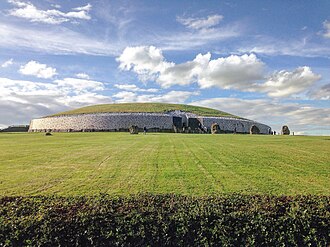
🌀Newgrange
A 5,000-year-old passage tomb older than Stonehenge, aligned to the winter solstice sunrise.
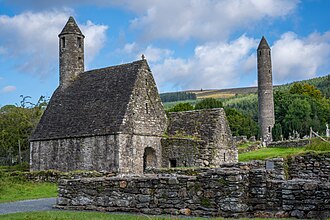
⛪Glendalough
An early medieval monastic settlement in a glacial valley in the Wicklow Mountains.
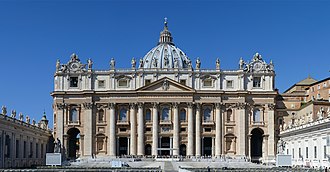
⛪Vatican City (St. Peter's Basilica)
The spiritual center of Roman Catholicism and home of the Pope.
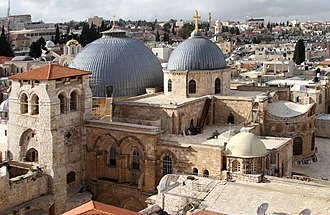
✝️Church of the Holy Sepulchre
The site where Jesus was crucified, buried, and resurrected.
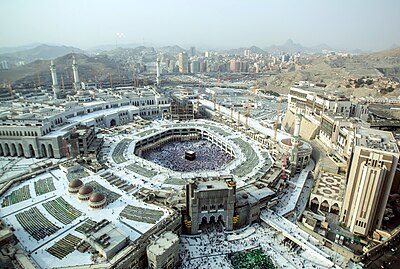
🕋Masjid al-Haram (Great Mosque of Mecca)
The holiest site in Islam, home of the Kaaba, and the destination for Hajj pilgrimage.
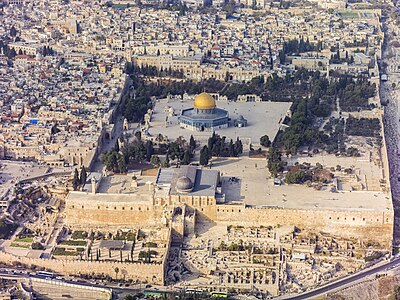
🕌Temple Mount / Al-Aqsa (Jerusalem)
Sacred to Judaism, Christianity, and Islam — the most contested holy site on Earth.

