
🦁 Sigiriya (Lion Rock Fortress)
Sri Lanka
About This Sacred Site
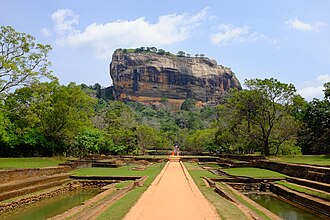
Sigiriya is a massive rock column rising 200 meters above the surrounding plain in central Sri Lanka, crowned by the ruins of an ancient palace and fortress. Built by King Kashyapa in the 5th century CE as both a royal citadel and pleasure palace, it is often called the 'Eighth Wonder of the World.' The site features sophisticated water gardens, the famous frescoes of the 'Sigiriya Maidens,' and the Mirror Wall once polished to a reflective sheen. Before and after its brief period as a royal capital, Sigiriya served as a Buddhist monastery for nearly 1,500 years.
Spiritual Significance
The fortress atop the 200-meter high rock column is believed to have been a royal center where ancient Buddhist kings, including King Kashyapa who built it in the 5th century CE, practiced meditation and conducted rituals. The site is associated with Buddhist cosmology, symbolizing the mountain as a sacred axis connecting heaven and earth, a concept found in the Mahayana sutras revered during that era. Pilgrims often circumambulate the water gardens, which incorporate hydraulic engineering dating from Kashyapa's reign, reflecting ancient Buddhist principles of harmony between nature and human design. The frescoes of celestial maidens, painted in the mid-5th century, are linked to the Theravada tradition and are believed to inspire devotees in cultivating inner purity. Local legend holds that the lion gate represents the guardian spirit protecting dharma, and annual observances include chanting from the Pali Canon at dawn near the mirror wall. The site's integration of natural and man-made elements continues to draw Buddhist pilgrims seeking to connect with early Sri Lankan monastic traditions.
Key Facts
- •The rock column rises 200 meters above the surrounding plain
- •Built as a royal fortress by King Kashyapa in the 5th century CE
- •Features sophisticated hydraulic water gardens at the base
- •The famous Sigiriya frescoes depict celestial maidens and are among the oldest in Sri Lanka
- •UNESCO World Heritage Site since 1982
Location
Coordinates: 7.9570, 80.7603
Frequently Asked Questions
What religion is Sigiriya (Lion Rock Fortress) associated with?▾
Sigiriya (Lion Rock Fortress) is a Buddhism holy site located in Sri Lanka. It was established c. 5th century CE and is ranked #83 in our global directory of sacred sites.
When was Sigiriya (Lion Rock Fortress) established?▾
Sigiriya (Lion Rock Fortress) dates back to c. 5th century CE. The rock column rises 200 meters above the surrounding plain
How many people visit Sigiriya (Lion Rock Fortress) each year?▾
Sigiriya (Lion Rock Fortress) receives approximately 1+ million visitors per year. Built as a royal fortress by King Kashyapa in the 5th century CE
What is Sigiriya (Lion Rock Fortress) known for?▾
An ancient rock fortress rising 200 meters with frescoes, gardens, and a Buddhist monastery. Visitors come seeking spiritual enlightenment, protection, ancestral connection, meditation. Features sophisticated hydraulic water gardens at the base
Related Holy Sites
Sacred places connected by country, religion, and purpose
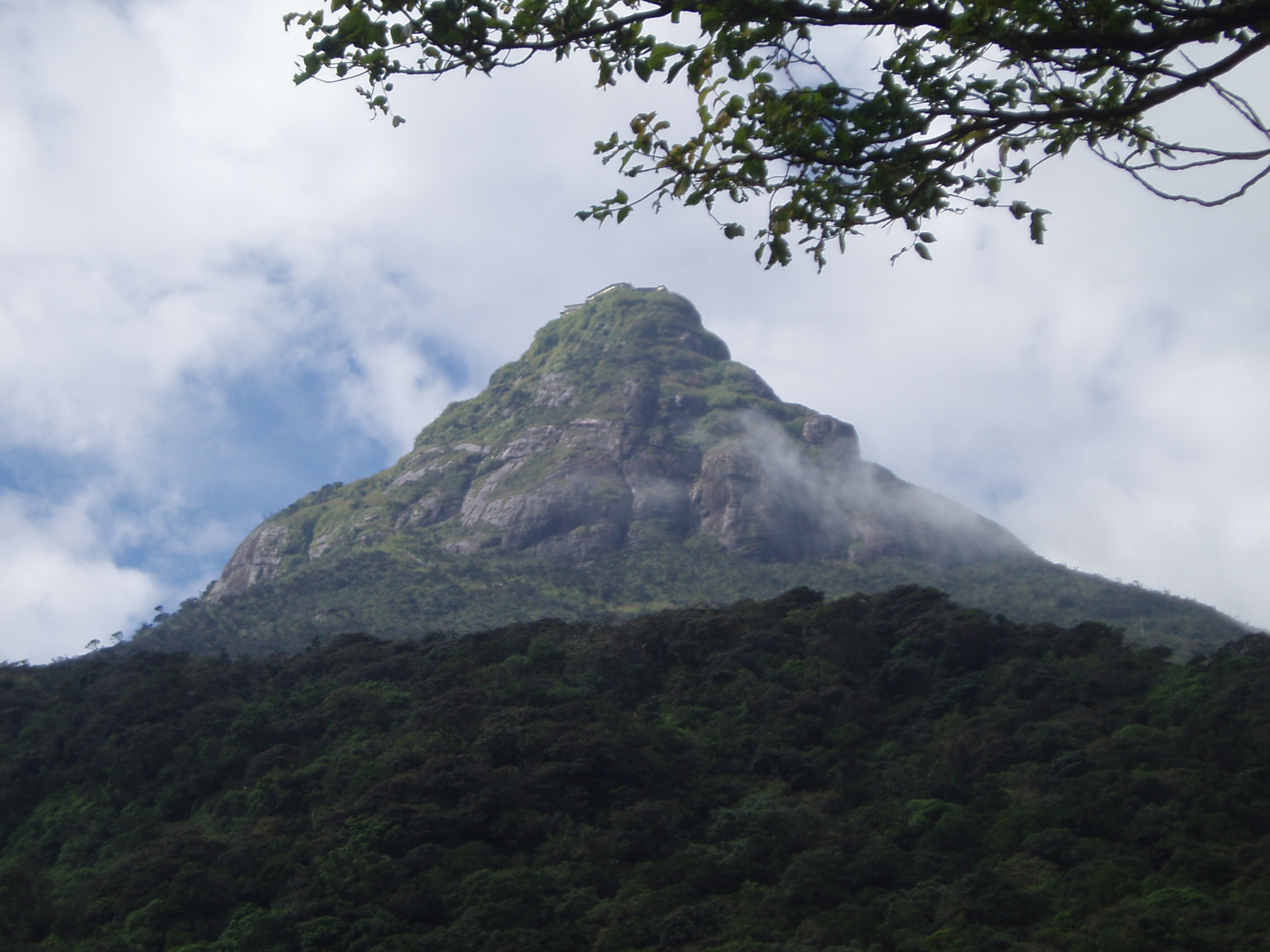
👣Sri Pada (Adam's Peak)
A sacred mountain with a footprint revered by four different religions.
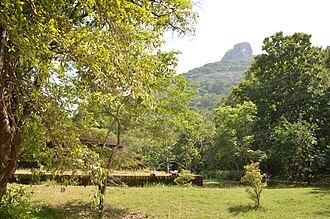
🌳Anuradhapura Sacred City
Sri Lanka's first ancient capital, home to the world's oldest known tree planted by humans.
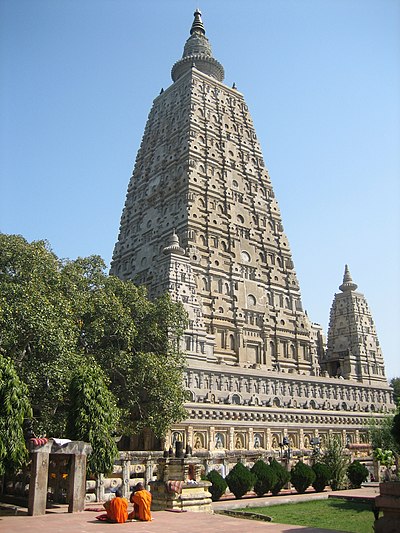
☸️Bodh Gaya (Mahabodhi Temple)
Where Siddhartha Gautama attained enlightenment and became the Buddha.
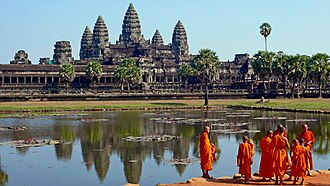
🛕Angkor Wat
The largest religious monument in the world, originally Hindu then Buddhist.
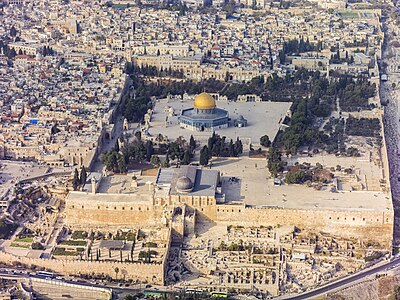
🕌Temple Mount / Al-Aqsa (Jerusalem)
Sacred to Judaism, Christianity, and Islam — the most contested holy site on Earth.
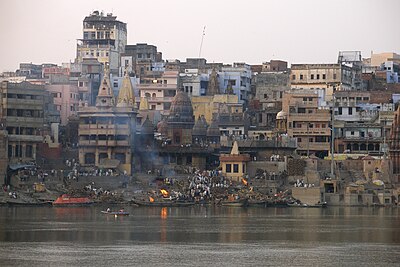
🙏Varanasi (Kashi Vishwanath Temple)
The holiest city in Hinduism, where the Ganges River purifies the soul.

