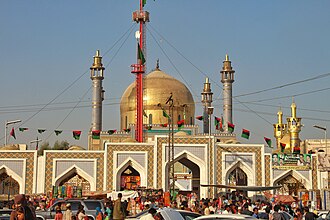
🕌 Shrine of Lal Shahbaz Qalandar (Sehwan Sharif)
Pakistan
About This Sacred Site
The Shrine of Lal Shahbaz Qalandar in Sehwan Sharif, Sindh, is one of the most beloved Sufi pilgrimage sites in Pakistan. Qalandar (c. 1177–1274) was a Sufi saint known for his message of love, tolerance, and ecstatic devotion. The shrine is famous for its nightly dhamal — ecstatic Sufi dancing to the beat of drums — which attracts devotees from all backgrounds. The annual Urs (death anniversary) celebration draws hundreds of thousands of pilgrims. The shrine embodies the inclusive, mystical tradition of Sindhi Sufism.
History & Origins
The Shrine of Lal Shahbaz Qalandar in Sehwan Sharif dates back to approximately 1274 CE, honoring the Sufi saint Lal Shahbaz Qalandar (c. 1177–1274), who was a prominent figure in spreading Sufism in the Sindh region. The shrine's structure has been expanded and renovated multiple times, notably during the Mughal era and the 20th century, reflecting continued patronage and the saint's enduring legacy. The shrine complex includes a mausoleum with a distinctive red dome, reflecting the saint’s title 'Lal' meaning red. It has historically been a site of pilgrimage attracting devotees from across Pakistan and beyond, surviving attacks and restorations, including those after the 2017 terrorist bombing. The shrine’s construction integrates Islamic and regional Sindhi architectural elements, including intricate tile work and calligraphy. It remains under the custodianship of hereditary caretakers who oversee religious ceremonies and maintenance.
Spiritual Significance
The shrine serves as a major center for Sufi devotional practices in Pakistan, particularly within the Qalandariyya order founded by Lal Shahbaz Qalandar himself. The nightly dhamal, an ecstatic ritual dance performed by devotees, is a hallmark of the shrine’s spiritual life, symbolizing ecstatic union with the Divine as endorsed by Sufi doctrine. The annual Urs festival commemorates the saint’s death anniversary, drawing hundreds of thousands of pilgrims who participate in prayers, qawwali music performances, and communal meals, reflecting the Sufi emphasis on love, tolerance, and community. The shrine’s rituals often include recitations from the Masnavi of Rumi and poetry by Shah Abdul Latif Bhittai, linking it to broader South Asian mystical traditions. Pilgrims customarily offer chaddar (embroidered cloth) and light candles at the tomb, acts rooted in folk Islamic belief in barakah or spiritual blessings. The shrine continues to be a vibrant locus of spiritual inspiration and interfaith interaction in Sindh.
Key Facts
- •Lal Shahbaz Qalandar (c. 1177–1274) is one of Pakistan's most beloved Sufi saints
- •The nightly dhamal (ecstatic dance) at the shrine draws hundreds of devotees
- •The annual Urs celebration attracts over 500,000 pilgrims
- •The saint is known as the 'Red Falcon' for his red robes
- •Devotees of all faiths, including Hindus, visit the shrine
Location
Coordinates: 26.4242, 67.8617
Frequently Asked Questions
What religion is Shrine of Lal Shahbaz Qalandar (Sehwan Sharif) associated with?▾
Shrine of Lal Shahbaz Qalandar (Sehwan Sharif) is a Islam holy site located in Pakistan. It was established c. 1274 CE and is ranked #499 in our global directory of sacred sites.
When was Shrine of Lal Shahbaz Qalandar (Sehwan Sharif) established?▾
Shrine of Lal Shahbaz Qalandar (Sehwan Sharif) dates back to c. 1274 CE. Lal Shahbaz Qalandar (c. 1177–1274) is one of Pakistan's most beloved Sufi saints
How many people visit Shrine of Lal Shahbaz Qalandar (Sehwan Sharif) each year?▾
Shrine of Lal Shahbaz Qalandar (Sehwan Sharif) receives approximately 2+ million visitors per year. The nightly dhamal (ecstatic dance) at the shrine draws hundreds of devotees
What is Shrine of Lal Shahbaz Qalandar (Sehwan Sharif) known for?▾
The shrine of the beloved Sufi saint in Sehwan Sharif, a center of ecstatic devotion in Sindh. Visitors come seeking healing, blessings, spiritual enlightenment, peace. The annual Urs celebration attracts over 500,000 pilgrims
Related Holy Sites
Sacred places connected by country, religion, and purpose
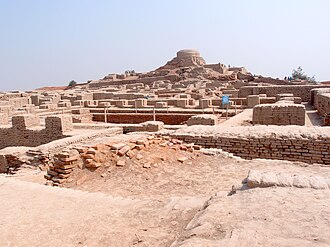
🏛️Mohenjo-daro
The UNESCO-listed ruins of an Indus Valley city with the Great Bath and possible ritual structures.
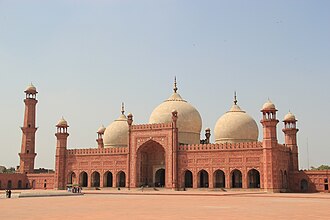
🕌Badshahi Mosque (Lahore)
The Mughal Emperor Aurangzeb's grand mosque in Lahore, one of the most iconic in the Islamic world.