🕌 Shah Jahan Mosque (Thatta)
Pakistan
About This Sacred Site
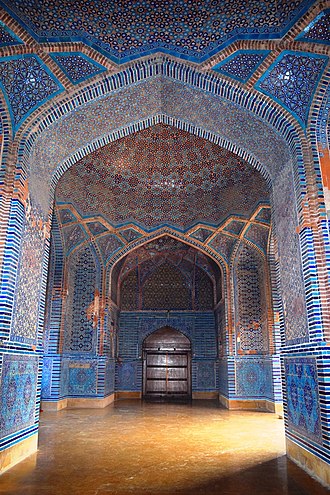
The Shah Jahan Mosque in Thatta, Sindh, built in 1647 by Mughal Emperor Shah Jahan, is renowned for its exquisite tile work and innovative architectural design. Distinguished by its extensive use of blue and turquoise glazed tiles, the mosque features 93 domes without any supporting pillars, a remarkable engineering feat of the time. The mosque’s spacious prayer hall and surrounding courtyards reflect a blend of Persian and Central Asian influences integrated with local Sindhi styles. It has historically served as a spiritual center for the region and remains an active site for worship and cultural heritage, showcasing Mughal architectural grandeur in southern Pakistan.
Spiritual Significance
Constructed in 1647 by Mughal Emperor Shah Jahan as a gift to the Sindh region, this mosque is renowned for its unique acoustic design, where a whisper at one end can be heard clearly at the other, facilitating communal recitation of the Quran and sermons. The mosque's intricate tile work features blue and turquoise glazed tiles arranged in geometric and floral patterns, integrating Persian influences into local Islamic art traditions. It serves as the center for Friday Jumu'ah prayers and hosts special gatherings during the Islamic month of Muharram, commemorating the martyrdom of Imam Hussain as per Shia and Sunni traditions prevalent in the area. The mosque's mihrab and minbar are focal points during sermons, which often include references to the Hadith collections Sahih Bukhari and Sahih Muslim, signifying its role in theological education. Pilgrims often perform Tahajjud prayers in the mosque's calm early morning hours, reinforcing its status as a place of quiet spiritual devotion. The mosque also acts as a hub for Quranic schools, preserving classical Islamic learning in the region.
Key Facts
- •Built by Emperor Shah Jahan in 1647 as a gift to the people of Sindh
- •Famous for its acoustics — a voice at one end can be heard throughout
- •Features elaborate blue, turquoise, and white tilework
- •Has no pillars, with 93 domes creating natural amplification
- •On Pakistan's UNESCO Tentative List
Location
Coordinates: 24.7453, 67.9087
Frequently Asked Questions
What religion is Shah Jahan Mosque (Thatta) associated with?▾
Shah Jahan Mosque (Thatta) is a Islam holy site located in Pakistan. It was established 1647 and is ranked #471 in our global directory of sacred sites.
When was Shah Jahan Mosque (Thatta) established?▾
Shah Jahan Mosque (Thatta) dates back to 1647. Built by Emperor Shah Jahan in 1647 as a gift to the people of Sindh
How many people visit Shah Jahan Mosque (Thatta) each year?▾
Shah Jahan Mosque (Thatta) receives approximately 200,000+ visitors per year. Famous for its acoustics — a voice at one end can be heard throughout
What is Shah Jahan Mosque (Thatta) known for?▾
A 17th-century Mughal mosque in Thatta renowned for its acoustics and tilework, built without pillars. Visitors come seeking pilgrimage, spiritual enlightenment, blessings, peace. Features elaborate blue, turquoise, and white tilework
Related Holy Sites
Sacred places connected by country, religion, and purpose
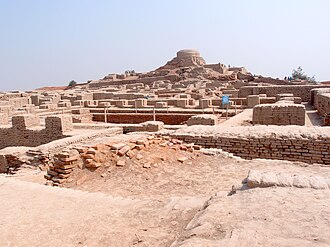
🏛️Mohenjo-daro
The UNESCO-listed ruins of an Indus Valley city with the Great Bath and possible ritual structures.
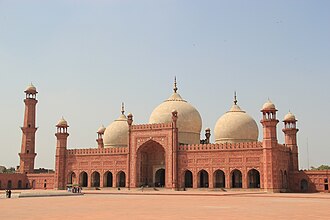
🕌Badshahi Mosque (Lahore)
The Mughal Emperor Aurangzeb's grand mosque in Lahore, one of the most iconic in the Islamic world.