🕌 Shah-Do Shamshira Mosque
Afghanistan
About This Sacred Site
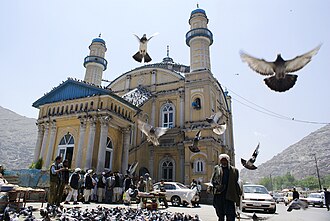
The Shah-Do Shamshira Mosque, constructed in the 1920s in central Kabul, Afghanistan, is renowned for its unique European-influenced architectural style, uncommon among Islamic religious buildings in the region. Its name, meaning "Mosque of the King of Two Swords," reflects local legends linked to its foundation. The mosque features a distinctive yellow facade, twin minarets, and ornate decoration reminiscent of baroque influences, blending Afghan and Western elements. Positioned along the Kabul River, it serves as both a spiritual center and a cultural landmark. Despite damage during decades of conflict, restoration efforts have preserved its unique aesthetic, making it a symbol of Kabul's architectural diversity.
History & Origins
Constructed in the 1920s during the reign of King Amanullah Khan, the Shah-Do Shamshira Mosque was part of his broader modernization reforms aimed at blending traditional Islamic architecture with European stylistic influences. Located in Kabul, the mosque’s name translates to "King of Two Swords," referencing a local legend that associates the site with the swords of Prophet Muhammad and his companions. The mosque’s distinctive yellow facade and baroque architectural elements, including ornate columns and pilasters, distinguish it from typical Islamic structures in Afghanistan. This fusion of European and Islamic design was unprecedented in the region at the time and symbolized Amanullah Khan's vision of progressive governance. Despite damage sustained during decades of conflict, the mosque has been restored and remains an active place of worship. It also serves as a cultural landmark illustrating early 20th-century Afghan engagement with global architectural trends.
Spiritual Significance
The mosque functions as a center for Sunni Islamic worship in Kabul, where daily prayers (salah) and Friday congregational prayers (Jumu'ah) are observed. The name "King of Two Swords" is spiritually significant as it evokes the concept of jihad both as spiritual struggle and defense of the faith, drawing parallels to Quranic injunctions found in Surah Al-Anfal. Pilgrims and worshippers engage in dhikr sessions here, reflecting Sufi devotional practices that emphasize remembrance of God through repetitive recitations. During Ramadan, the mosque hosts nightly taraweeh prayers, fostering communal bonds and spiritual reflection. Its architectural uniqueness also attracts religious scholars who study the interplay of Islamic tradition and modern influences, making it a site of both devotional and educational importance. The mosque's role in King Amanullah Khan’s reforms links it to a historical narrative of Islamic renewal and national identity in Afghanistan.
Key Facts
- •Built in the 1920s during King Amanullah Khan's modernization drive
- •The name means 'King of Two Swords'
- •Features unusual European-influenced architecture for a mosque
- •One of the most recognizable landmarks in Kabul
- •Reflects Afghanistan's brief period of westernization
Location
Coordinates: 34.5236, 69.1708
Frequently Asked Questions
What religion is Shah-Do Shamshira Mosque associated with?▾
Shah-Do Shamshira Mosque is a Islam holy site located in Afghanistan. It was established 1920s and is ranked #865 in our global directory of sacred sites.
When was Shah-Do Shamshira Mosque established?▾
Shah-Do Shamshira Mosque dates back to 1920s. Built in the 1920s during King Amanullah Khan's modernization drive
How many people visit Shah-Do Shamshira Mosque each year?▾
Shah-Do Shamshira Mosque receives approximately 200,000 visitors per year. The name means 'King of Two Swords'
What is Shah-Do Shamshira Mosque known for?▾
A striking yellow two-story mosque in Kabul, unique for its European-influenced design. Visitors come seeking blessings, peace, guidance, pilgrimage. Features unusual European-influenced architecture for a mosque
Related Holy Sites
Sacred places connected by country, religion, and purpose
🗿Bamiyan Buddhas Site
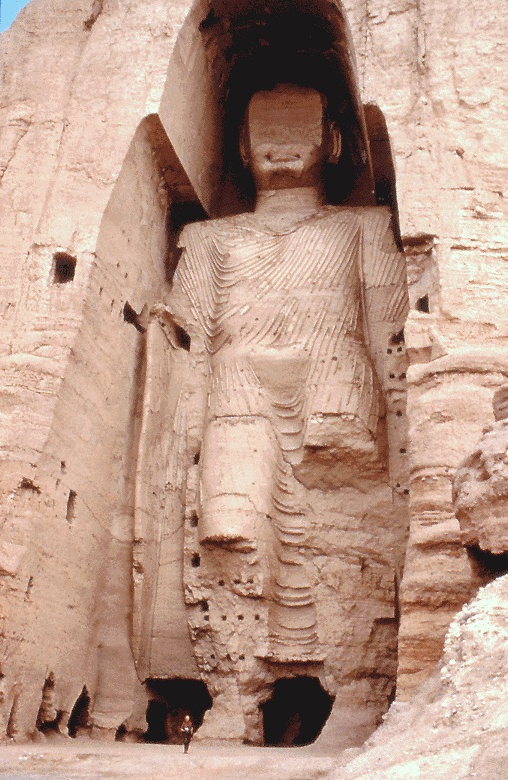
The cliff niches where two colossal Buddha statues stood before their destruction in 2001.
🕌Herat Friday Mosque (Masjid-i Jami)
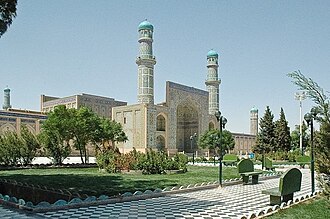
One of Afghanistan's oldest and grandest mosques, renowned for its intricate tilework.