🗿 Bamiyan Buddhas Site
Afghanistan
About This Sacred Site
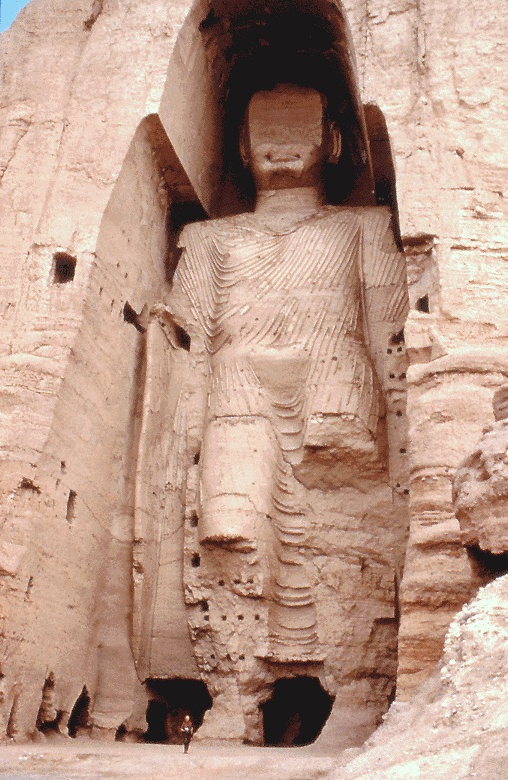
The Bamiyan Valley in central Afghanistan was home to two colossal Buddha statues, the tallest standing 55 meters, carved into the sandstone cliffs in the 6th century CE. The statues were the largest standing Buddha figures in the world until they were destroyed by the Taliban in March 2001, drawing worldwide condemnation. The empty niches remain a powerful testament to both the rich Buddhist heritage of Central Asia and the destructive consequences of religious intolerance. The site is a UNESCO World Heritage Site and there are ongoing debates about reconstruction.
History & Origins
The Bamiyan Buddhas were monumental statues carved into sandstone cliffs in the Bamiyan Valley of Afghanistan during the 6th century CE, specifically under the patronage of the Kushan and later Hephthalite rulers during the Gandhara period. The larger statue stood approximately 55 meters tall, while the smaller reached 38 meters, representing standing Buddha figures known for their unique fusion of Hellenistic artistic influence and Buddhist iconography. These statues were part of a larger monastic complex serving as a center for Buddhist learning and pilgrimage along the Silk Road. After centuries of decline in Buddhist presence in the region, the site remained a cultural landmark until the Taliban regime destroyed both statues in March 2001 using explosives, an act that drew international condemnation. Prior to their destruction, the site had been recognized as a UNESCO World Heritage Site since 2003 due to its historical and artistic significance. Preservation efforts now focus on the niches and surrounding caves, which contain intricate murals and carvings that provide insight into early Buddhist art in Central Asia.
Spiritual Significance
As focal points for Buddhist pilgrimage, the statues embodied the Mahayana tradition's emphasis on the Buddha as a transcendent being capable of granting salvation. Pilgrims from as far as China and India visited the site to engage in circumambulation (pradakshina) around the statues and to meditate in the surrounding caves, which housed monastic cells and sacred murals depicting Jataka tales and scenes from the life of the Buddha. The statues' colossal scale symbolized the Buddha’s compassion and omnipresence, reinforcing doctrinal teachings found in the Lalitavistara Sutra and other Mahayana texts. Annual festivals coincided with Vesak, marking the Buddha's birth, enlightenment, and parinirvana, during which devotees offered flowers, incense, and chanted the Heart Sutra. The destruction of the statues was perceived by Buddhist communities worldwide as a profound loss of spiritual heritage. Despite their physical absence, the site continues to inspire pilgrimage and devotion, with ongoing efforts to reconstruct and digitally preserve the sacred art and teachings associated with the Bamiyan Buddhas.
Key Facts
- •The larger Buddha stood 55 meters tall, the smaller 38 meters
- •Carved in the 6th century CE during the Gandhara period
- •Destroyed by the Taliban in March 2001
- •UNESCO World Heritage Site since 2003
- •The valley also contains cave monasteries with ancient murals
Location
Coordinates: 34.8325, 67.8272
Frequently Asked Questions
What religion is Bamiyan Buddhas Site associated with?▾
Bamiyan Buddhas Site is a Buddhism holy site located in Afghanistan. It was established c. 6th century CE and is ranked #192 in our global directory of sacred sites.
When was Bamiyan Buddhas Site established?▾
Bamiyan Buddhas Site dates back to c. 6th century CE. The larger Buddha stood 55 meters tall, the smaller 38 meters
How many people visit Bamiyan Buddhas Site each year?▾
Bamiyan Buddhas Site receives approximately 30,000 visitors per year. Carved in the 6th century CE during the Gandhara period
What is Bamiyan Buddhas Site known for?▾
The cliff niches where two colossal Buddha statues stood before their destruction in 2001. Visitors come seeking meditation, spiritual enlightenment, peace, ancestral connection. Destroyed by the Taliban in March 2001
Related Holy Sites
Sacred places connected by country, religion, and purpose
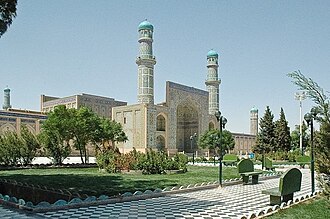
🕌Herat Friday Mosque (Masjid-i Jami)
One of Afghanistan's oldest and grandest mosques, renowned for its intricate tilework.
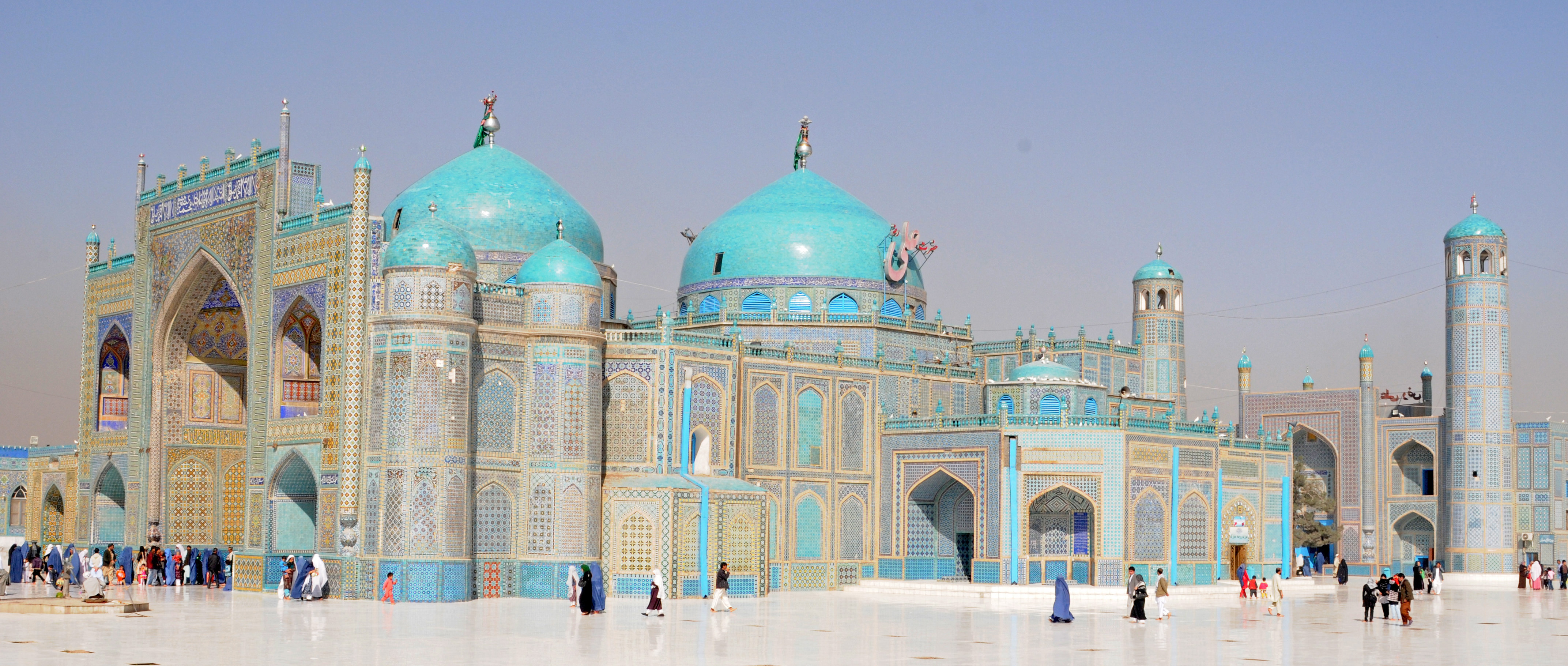
🕌Blue Mosque (Shrine of Ali, Mazar-i-Sharif)
A stunning blue-tiled mosque believed by many to house the tomb of Imam Ali.
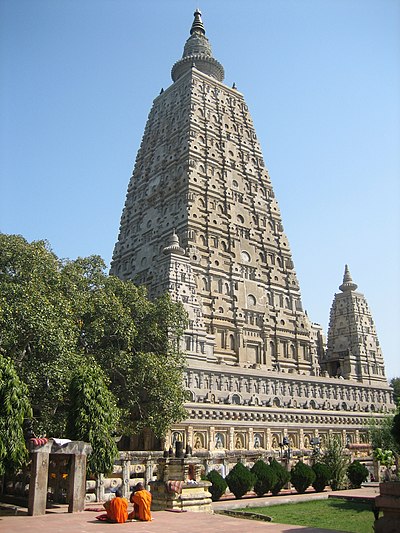
☸️Bodh Gaya (Mahabodhi Temple)
Where Siddhartha Gautama attained enlightenment and became the Buddha.
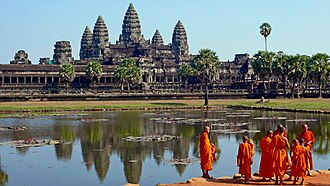
🛕Angkor Wat
The largest religious monument in the world, originally Hindu then Buddhist.