🕌 Blue Mosque (Shrine of Ali, Mazar-i-Sharif)
Afghanistan
About This Sacred Site
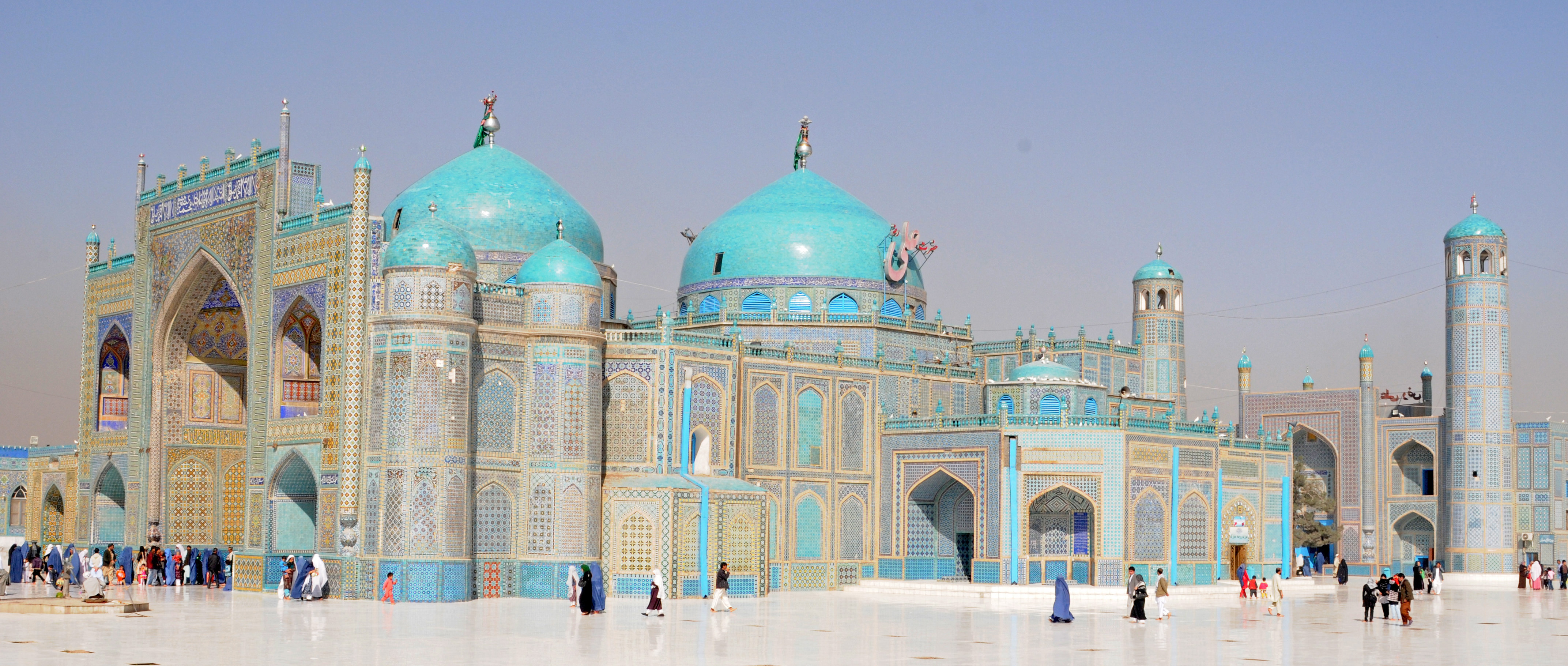
The Blue Mosque, officially the Shrine of Ali (Rawze-e-Sharif), is the centerpiece of Mazar-i-Sharif and Afghanistan's most important pilgrimage site. Many Afghan Muslims believe this is the true burial place of Ali ibn Abi Talib, the first Shia Imam. The mosque is renowned for its brilliant blue-tiled exterior, which was extensively restored in the 20th century. The shrine is the focal point of the annual Nowruz celebrations, when a special flag-raising ceremony (janda bala) draws hundreds of thousands of visitors.
History & Origins
The current structure of the Blue Mosque, also known as the Shrine of Ali, dates to around 1481 CE during the Timurid dynasty's rule, with significant contributions from Sultan Husayn Bayqarah. Located in Mazar-i-Sharif, northern Afghanistan, its origins trace to earlier shrines venerating Ali ibn Abi Talib, whom many local traditions claim is buried there, although historical verification remains debated. The mosque underwent major renovations in the 19th century under Emir Sher Ali Khan and further restorations in the 20th century following damage from regional conflicts. Its name, Mazar-i-Sharif, meaning "Noble Shrine," reflects its status as a central religious site. The mosque's architecture features a large central dome covered in dazzling blue tiles, intricate arabesques, and Kufic inscriptions, emblematic of Timurid artistry. Despite periods of political instability in Afghanistan, it remains a vital cultural and religious landmark, attracting thousands of visitors annually. The site was notably preserved through Soviet occupation and subsequent civil wars, underscoring its resilience and importance.
Spiritual Significance
The shrine is revered in Islamic tradition as the burial place of Ali ibn Abi Talib, the cousin and son-in-law of the Prophet Muhammad and the first Imam in Shia Islam, making it a critical pilgrimage destination especially for Shia Muslims. Annual celebrations during Nowruz, the Persian New Year, incorporate special prayers and communal gatherings at the mosque, reflecting its role in cultural and religious life. Pilgrims often perform ziyarat rituals, including reciting specific supplications and Quranic verses like Surah Al-Ikhlas and Surah Al-Fatiha at the tomb chamber. The mosque is also linked to numerous hadiths that attribute spiritual blessings to visiting Ali's burial place. Sufi orders in Afghanistan regard the site as a locus of barakah (spiritual blessing), and it functions as a center for dhikr ceremonies and Quranic recitations. The mosque’s blue tilework, symbolizing heaven and divine presence, enhances the atmosphere for worshippers engaging in daily salah and special congregational prayers.
Key Facts
- •Many believe it houses the tomb of Ali ibn Abi Talib
- •The name 'Mazar-i-Sharif' means 'Noble Shrine'
- •Renowned for its brilliant blue tilework
- •Center of Afghanistan's Nowruz celebrations
- •The janda bala flag-raising ceremony draws huge crowds
Location
Coordinates: 36.7069, 67.1147
Frequently Asked Questions
What religion is Blue Mosque (Shrine of Ali, Mazar-i-Sharif) associated with?▾
Blue Mosque (Shrine of Ali, Mazar-i-Sharif) is a Islam holy site located in Afghanistan. It was established c. 1481 CE (current structure) and is ranked #552 in our global directory of sacred sites.
When was Blue Mosque (Shrine of Ali, Mazar-i-Sharif) established?▾
Blue Mosque (Shrine of Ali, Mazar-i-Sharif) dates back to c. 1481 CE (current structure). Many believe it houses the tomb of Ali ibn Abi Talib
How many people visit Blue Mosque (Shrine of Ali, Mazar-i-Sharif) each year?▾
Blue Mosque (Shrine of Ali, Mazar-i-Sharif) receives approximately 2 million visitors per year. The name 'Mazar-i-Sharif' means 'Noble Shrine'
What is Blue Mosque (Shrine of Ali, Mazar-i-Sharif) known for?▾
A stunning blue-tiled mosque believed by many to house the tomb of Imam Ali. Visitors come seeking pilgrimage, healing, blessings, peace. Renowned for its brilliant blue tilework
Related Holy Sites
Sacred places connected by country, religion, and purpose
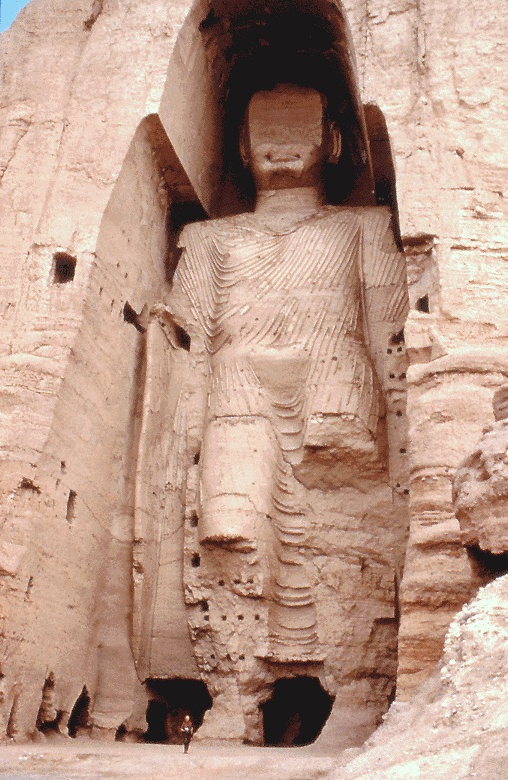
🗿Bamiyan Buddhas Site
The cliff niches where two colossal Buddha statues stood before their destruction in 2001.
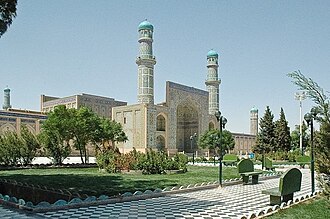
🕌Herat Friday Mosque (Masjid-i Jami)
One of Afghanistan's oldest and grandest mosques, renowned for its intricate tilework.