🏚️ Schellenberg Monastery Ruins
Liechtenstein
About This Sacred Site
The Schellenberg Monastery Ruins are the remains of a 14th-century Dominican monastery located in the municipality of Schellenberg, Liechtenstein. Though now in ruins, the site retains foundational walls and fragments of Gothic architectural elements, reflecting the monastery’s medieval origins. It was once a spiritual center for the Dominican order, serving religious and community functions. The ruins stand as a testament to the monastic life and ecclesiastical influence during the Middle Ages in Liechtenstein, offering insight into the region’s religious history and medieval architecture.
Spiritual Significance
Founded in the 14th century by Dominican nuns, the Schellenberg Monastery was a center for contemplative prayer and the study of Thomistic theology, reflecting the Order's intellectual tradition. The monastery was known for its strict adherence to the Rule of Saint Dominic, emphasizing communal life, poverty, and preaching. Despite its dissolution during the Reformation era, the ruins remain a pilgrimage destination where visitors commemorate the nuns’ dedication through annual vigils held on August 8th, the feast day of Saint Dominic. Pilgrims often recite the Rosary amidst the ruins, aligning with the Dominicans’ promotion of this devotion. The site’s location in Schellenberg links it to medieval spiritual networks in Liechtenstein, marking it as a historical node of monastic scholarship and piety. Archaeological evidence reveals the presence of a chapel dedicated to the Virgin Mary, indicating the monastery's Marian devotion, which continues to inspire local devotional practices.
Key Facts
- •Founded in the 14th century by Dominican nuns
- •One of the most important medieval sites in Liechtenstein
- •The monastery was dissolved and gradually fell into ruin
- •Archaeological excavations have revealed medieval artifacts
- •Set in a peaceful meadow in the municipality of Schellenberg
Location
Coordinates: 47.2331, 9.5472
Frequently Asked Questions
What religion is Schellenberg Monastery Ruins associated with?▾
Schellenberg Monastery Ruins is a Christianity holy site located in Liechtenstein. It was established 14th century and is ranked #708 in our global directory of sacred sites.
When was Schellenberg Monastery Ruins established?▾
Schellenberg Monastery Ruins dates back to 14th century. Founded in the 14th century by Dominican nuns
How many people visit Schellenberg Monastery Ruins each year?▾
Schellenberg Monastery Ruins receives approximately 15,000 visitors per year. One of the most important medieval sites in Liechtenstein
What is Schellenberg Monastery Ruins known for?▾
Atmospheric ruins of a medieval monastery in Liechtenstein's northern lowlands. Visitors come seeking meditation, peace, ancestral connection. The monastery was dissolved and gradually fell into ruin
Related Holy Sites
Sacred places connected by country, religion, and purpose
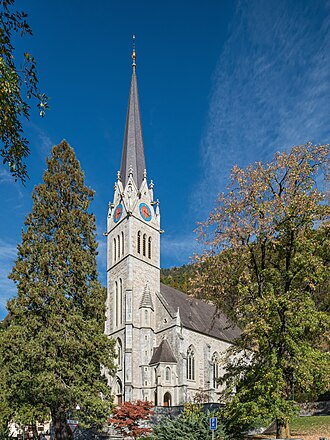
⛪Vaduz Cathedral
The neo-Gothic cathedral of Vaduz, seat of the Archdiocese of Vaduz and Liechtenstein's principal church.

⛪Bendern Chapel
A historic pilgrimage chapel in the municipality of Gamprin.
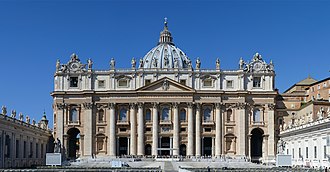
⛪Vatican City (St. Peter's Basilica)
The spiritual center of Roman Catholicism and home of the Pope.
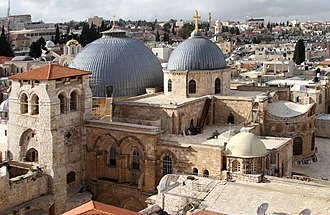
✝️Church of the Holy Sepulchre
The site where Jesus was crucified, buried, and resurrected.