✨ Church and Convent of São Francisco (Salvador)
Brazil
About This Sacred Site
The Church and Convent of São Francisco in Salvador, Bahia, is widely regarded as the most opulent church in Brazil and one of the finest examples of Portuguese baroque in the world. Built between 1686 and 1752, every single interior surface — walls, columns, ceiling — is covered in intricate carvings plated with gold leaf, using an estimated 800 kilograms of gold. The effect is overwhelming, earning it the nickname 'the Golden Church.' The church also contains stunning Portuguese azulejo (blue and white tile) panels depicting the life of St. Francis of Assisi. Salvador was Brazil's first capital and the center of the sugar trade that funded such extraordinary religious art. The Pelourinho district surrounding it is a UNESCO World Heritage Site.
History & Origins
Construction of the Church and Convent of São Francisco in Salvador began in 1686 and was completed in 1752, under the patronage of the Franciscan order and the Portuguese Crown. The complex is renowned for its extensive use of gold leaf, estimated at 800 kilograms, covering every interior surface including the altars and ceiling panels. The church features exemplary Portuguese Baroque architecture, with intricate azulejo tile panels depicting biblical scenes along the walls. Renovations in the 20th century included structural reinforcement and preservation of the woodcarving, known locally as talha dourada, crafted by indigenous and African artisans. The cloister hosts a museum with Franciscan religious art, including 18th-century paintings and sculptures. The site was declared a National Historic Heritage by IPHAN (Brazilian National Institute of Historic and Artistic Heritage) in 1938. Its location in Salvador's historic Pelourinho district situates it within a UNESCO World Heritage Site since 1985.
Spiritual Significance
The church functions as a focal point for Franciscan spirituality in Brazil, emphasizing vows of poverty, humility, and service. It hosts the annual feast of Saint Francis of Assisi on October 4, featuring processions and the blessing of animals, reflecting the saint's association with nature. The interior's gold-covered altars serve as a visual catechism, illustrating scenes from the Bible and Franciscan hagiography to educate congregants. The azulejo tiles narrate the Passion of Christ, reinforcing meditative prayer practices inspired by the Stations of the Cross. Pilgrims often participate in the ritual of lighting candles before the statue of Saint Anthony, a devotion linked to intercessory prayers. The complex's convent still houses Franciscan monks who conduct daily Liturgy of the Hours, maintaining the rhythm of monastic prayer established since the 17th century.
Key Facts
- •Every interior surface is covered in gold leaf — an estimated 800 kg of gold
- •Built between 1686 and 1752, one of the finest Portuguese baroque churches
- •Contains remarkable azulejo tile panels depicting the life of St. Francis
- •Salvador was Brazil's first capital (1549-1763) and funded by the sugar trade
- •Part of the Pelourinho historic center, a UNESCO World Heritage Site
Location
Coordinates: -12.9728, -38.5100
Frequently Asked Questions
What religion is Church and Convent of São Francisco (Salvador) associated with?▾
Church and Convent of São Francisco (Salvador) is a Christianity holy site located in Brazil. It was established 1686-1752 and is ranked #399 in our global directory of sacred sites.
When was Church and Convent of São Francisco (Salvador) established?▾
Church and Convent of São Francisco (Salvador) dates back to 1686-1752. Every interior surface is covered in gold leaf — an estimated 800 kg of gold
How many people visit Church and Convent of São Francisco (Salvador) each year?▾
Church and Convent of São Francisco (Salvador) receives approximately 500,000 visitors per year. Built between 1686 and 1752, one of the finest Portuguese baroque churches
What is Church and Convent of São Francisco (Salvador) known for?▾
The most opulent church in Brazil, with every surface covered in gold leaf. Visitors come seeking blessings, spiritual enlightenment, peace, pilgrimage. Contains remarkable azulejo tile panels depicting the life of St. Francis
Related Holy Sites
Sacred places connected by country, religion, and purpose
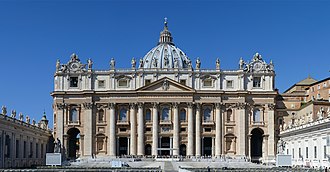
⛪Vatican City (St. Peter's Basilica)
The spiritual center of Roman Catholicism and home of the Pope.
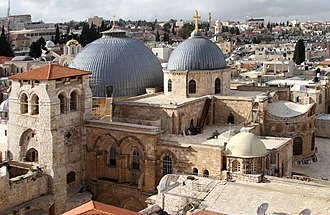
✝️Church of the Holy Sepulchre
The site where Jesus was crucified, buried, and resurrected.