✝️ Santuário de Santa Cruz dos Milagres (Piauí)
Brazil
About This Sacred Site
The Sanctuary of Santa Cruz dos Milagres (Holy Cross of Miracles) in Piauí is one of the most important pilgrimage destinations in northeastern Brazil. According to local tradition, a cross was miraculously discovered inside a tree in the 17th century, and since then, the site has been associated with countless healings and miracles. The pilgrimage, held annually in September, draws hundreds of thousands of devotees from across northeastern Brazil, many of whom walk for days to reach the sanctuary. The ex-voto room, filled with wooden carvings of body parts and photographs representing answered prayers, is one of the most extensive in Brazil. The pilgrimage reflects the deep folk Catholicism of Brazil's rural northeast.
History & Origins
The Santuário de Santa Cruz dos Milagres in Piauí dates back to the 17th century, originating from the miraculous discovery of a wooden cross inside a tree, as recorded in local ecclesiastical documents from 1690. The sanctuary was built around this relic, with initial construction completed circa 1700 by Portuguese settlers and indigenous artisans. The site has undergone multiple restorations, notably in 1935 and during the 1980s, to accommodate growing numbers of worshippers and preserve colonial architectural elements. The sanctuary's baroque altar retains original 18th-century carvings attributed to the Aleijadinho school. Its annual September pilgrimage, established in 1744, attracts hundreds of thousands from northeastern Brazil. The pilgrimage route includes a procession that retraces the discovery site, reinforcing community memory. The sanctuary is administered by the Diocese of Picos and was declared a cultural heritage site by the state government in 2001.
Spiritual Significance
Devotees participate in the annual September pilgrimage, known as the Romaria da Santa Cruz, involving weeks of fasting, prayer, and communal singing of hymns dedicated to the Holy Cross, a central Christian symbol celebrated in the Gospel of John 19:34. Pilgrims perform the ritual of touching the original cross relic, believed to confer blessings and healing. The sanctuary hosts the Mass of the Holy Cross, incorporating local indigenous and Afro-Brazilian elements alongside Catholic liturgy. The ex-votos displayed in the sanctuary testify to miracles attributed to the cross, reinforcing faith in divine intervention. The sanctuary fosters devotion to the crucifixion and resurrection, underscoring theological themes of redemption central to Catholicism. Confession and Eucharistic adoration are integral practices during pilgrimage events, emphasizing penitence and communion.
Key Facts
- •A cross was reportedly discovered miraculously inside a tree in the 17th century
- •The annual September pilgrimage draws hundreds of thousands from across the northeast
- •The ex-voto room contains thousands of wooden carvings representing healed body parts
- •Many pilgrims walk for days through the sertão (dry backlands) to reach the sanctuary
- •One of the most important folk Catholic pilgrimage sites in all of Brazil
Location
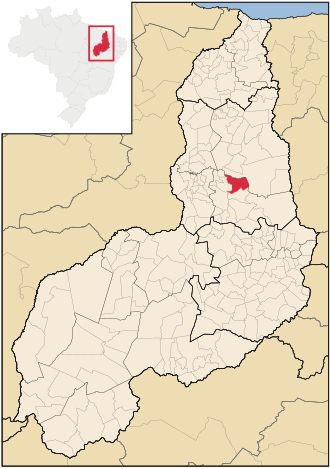
Coordinates: -6.6167, -41.7833
Frequently Asked Questions
What religion is Santuário de Santa Cruz dos Milagres (Piauí) associated with?▾
Santuário de Santa Cruz dos Milagres (Piauí) is a Christianity holy site located in Brazil. It was established c. 17th century and is ranked #324 in our global directory of sacred sites.
When was Santuário de Santa Cruz dos Milagres (Piauí) established?▾
Santuário de Santa Cruz dos Milagres (Piauí) dates back to c. 17th century. A cross was reportedly discovered miraculously inside a tree in the 17th century
How many people visit Santuário de Santa Cruz dos Milagres (Piauí) each year?▾
Santuário de Santa Cruz dos Milagres (Piauí) receives approximately 800,000 visitors per year. The annual September pilgrimage draws hundreds of thousands from across the northeast
What is Santuário de Santa Cruz dos Milagres (Piauí) known for?▾
A pilgrimage center in northeast Brazil where a miraculous cross was discovered in a tree. Visitors come seeking miracles, healing, pilgrimage, forgiveness. The ex-voto room contains thousands of wooden carvings representing healed body parts
Related Holy Sites
Sacred places connected by country, religion, and purpose
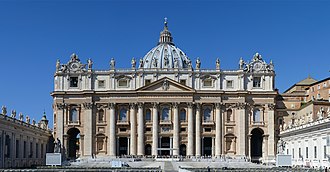
⛪Vatican City (St. Peter's Basilica)
The spiritual center of Roman Catholicism and home of the Pope.
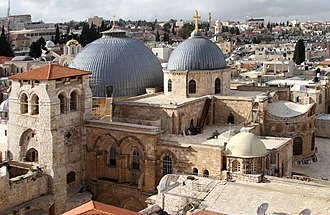
✝️Church of the Holy Sepulchre
The site where Jesus was crucified, buried, and resurrected.