🙏 Rocamadour
France
About This Sacred Site
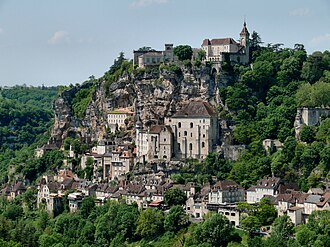
Rocamadour is a spectacular cliff-face sanctuary clinging to the limestone gorge of the Alzou River in southwest France. The site has been a major pilgrimage destination since the 12th century, when the perfectly preserved body of an unknown holy man was discovered beneath the chapel threshold. The Chapel of Notre-Dame houses the venerated Black Madonna, a 12th-century wooden statue credited with numerous miracles. Pilgrims traditionally ascend the 216 steps of the Grand Escalier on their knees while praying.
History & Origins
Established circa 1166, Rocamadour developed as a sanctuary perched on a cliffside in the Lot department, France, centered around a complex of chapels and a shrine dedicated to the Black Madonna, a wooden statue dating from the 12th century. The site flourished as a pilgrimage destination in the medieval period, particularly after the 13th century when it was linked with the cult of Saint Amadour, a legendary hermit. The 216-step Grand Stairway, constructed in the Middle Ages, allows pilgrims access from the town below to the chapels above; many ascend on their knees as an act of penance. Rocamadour was visited by King Louis IX (Saint Louis) who endowed the sanctuary in the 13th century, enhancing its prominence. The sanctuary has been preserved through successive restorations and remains a vibrant pilgrimage site today.
Spiritual Significance
The Black Madonna statue, believed to possess miraculous healing powers since the 12th century, is the focal point of pilgrimages seeking intercession for ailments and spiritual aid. The annual Feast of Our Lady of Rocamadour on August 15 involves processions and special masses. Pilgrims traditionally ascend the Grand Stairway on their knees, reflecting penitential devotion linked to medieval practices. The shrine's association with Saint Amadour connects it to local hagiographical traditions emphasizing hermitic witness and Marian devotion, underpinned by scriptural references to Mary’s role as intercessor (John 2:1-11). The chapels' integration into the cliffside represents medieval theological symbolism of spiritual ascent and closeness to the divine.
Key Facts
- •Pilgrims have climbed the 216 Grand Stairway steps on their knees for centuries
- •The Black Madonna statue dates to the 12th century and is credited with miraculous healings
- •A medieval sword embedded in the cliff is said to be Durandal, Roland's legendary blade
- •Henry II of England, Louis IX of France, and other royals made pilgrimages here
- •The sanctuary complex includes seven chapels built into the rock face
Location
Coordinates: 44.7992, 1.6187
Frequently Asked Questions
What religion is Rocamadour associated with?▾
Rocamadour is a Christianity holy site located in France. It was established c. 1166 and is ranked #501 in our global directory of sacred sites.
When was Rocamadour established?▾
Rocamadour dates back to c. 1166. Pilgrims have climbed the 216 Grand Stairway steps on their knees for centuries
How many people visit Rocamadour each year?▾
Rocamadour receives approximately 1.5 million visitors per year. The Black Madonna statue dates to the 12th century and is credited with miraculous healings
What is Rocamadour known for?▾
A clifftop sanctuary in the Dordogne, home of the miraculous Black Madonna. Visitors come seeking miracles, healing, pilgrimage, protection. A medieval sword embedded in the cliff is said to be Durandal, Roland's legendary blade
Related Holy Sites
Sacred places connected by country, religion, and purpose
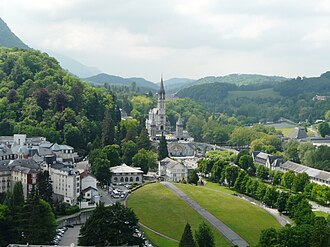
💧Lourdes (Sanctuary of Our Lady)
Where the Virgin Mary appeared 18 times, famous for miraculous healings.
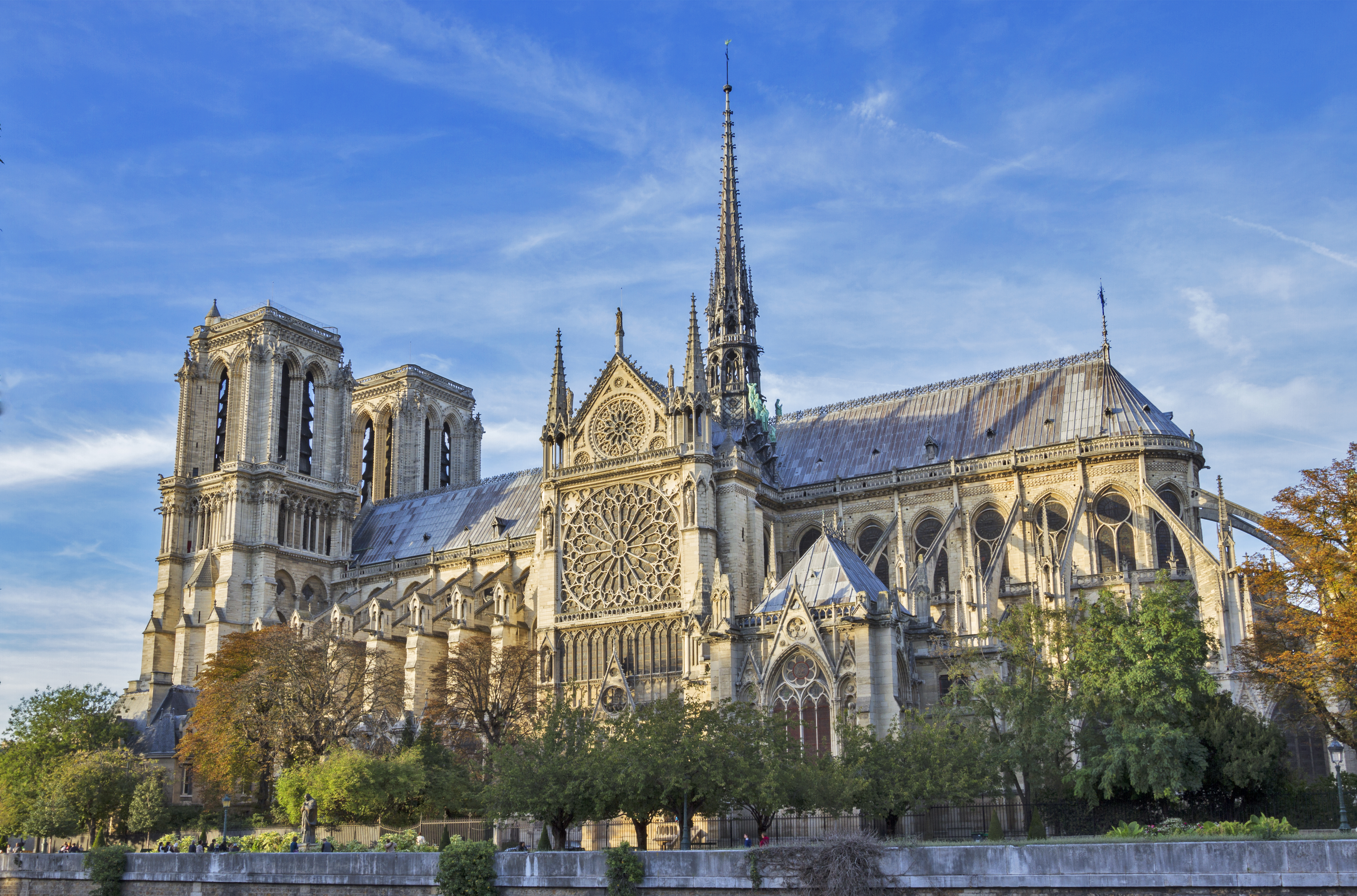
🏰Notre-Dame Cathedral
A Gothic masterpiece on the Seine, rebuilt after the 2019 fire.
⛪Vatican City (St. Peter's Basilica)
The spiritual center of Roman Catholicism and home of the Pope.
✝️Church of the Holy Sepulchre
The site where Jesus was crucified, buried, and resurrected.