🏰 Notre-Dame Cathedral
France
About This Sacred Site
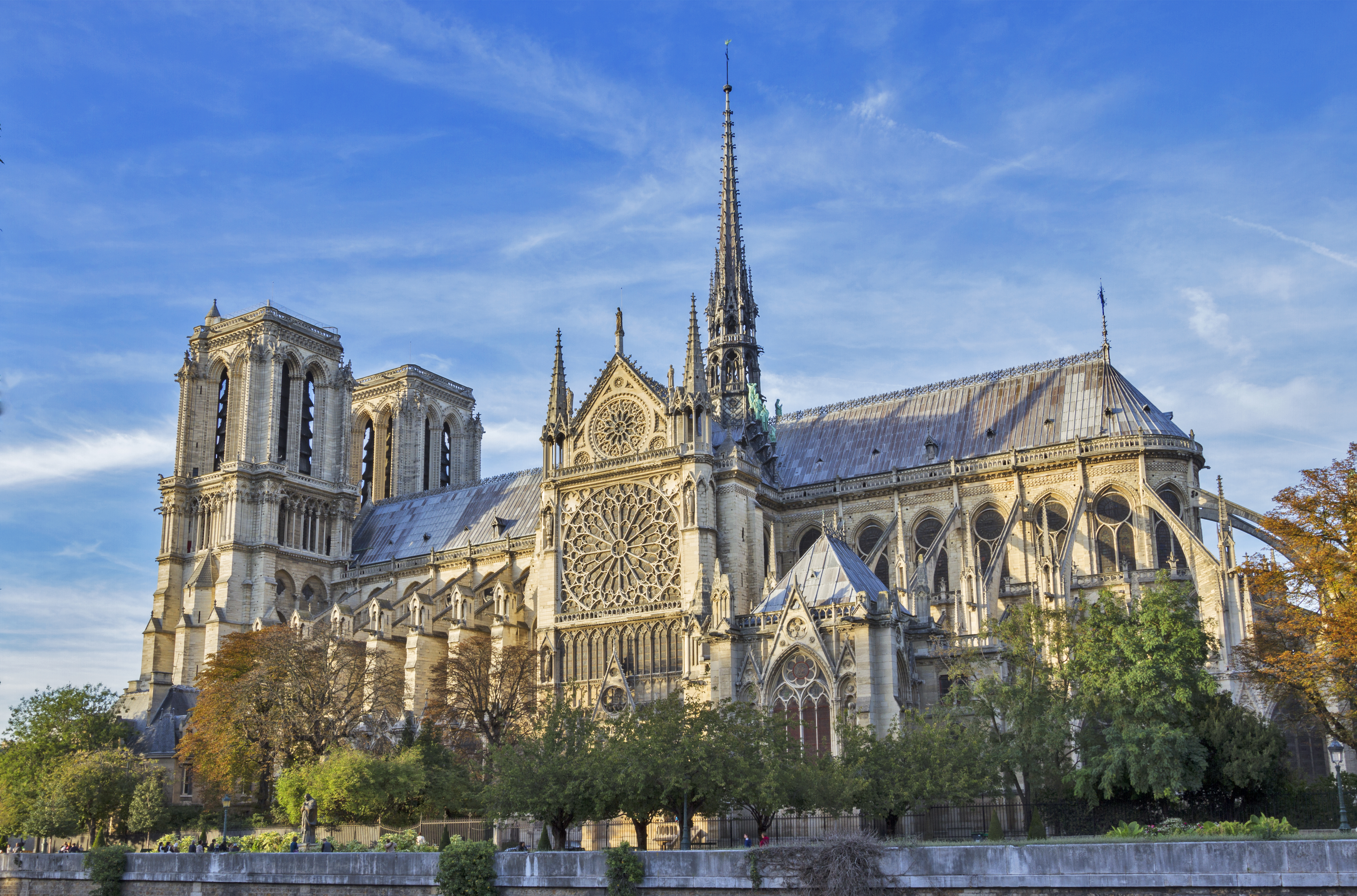
Notre-Dame de Paris, located on the Île de la Cité in central Paris, is a masterpiece of French Gothic architecture. Constructed beginning in 1163 and largely completed by 1345, it features flying buttresses, stained glass rose windows, and sculptural decoration. The cathedral has witnessed significant historical events, including coronations and national ceremonies. Despite damage from the 2019 fire, Notre-Dame remains a symbol of French heritage and Catholic faith, drawing millions of visitors annually.
Spiritual Significance
Notre-Dame Cathedral, constructed between 1163 and 1345 in Paris, has been a central site for Roman Catholic worship and pilgrimage for over eight centuries. The cathedral's three rose windows, each 13 meters in diameter, serve as biblical storytelling devices depicting scenes from the Old and New Testaments, aiding catechesis during medieval times. The annual Feast of the Assumption on August 15 is marked by solemn Masses and processions honoring the Virgin Mary, to whom the cathedral is dedicated. Pilgrims historically visited to venerate relics, notably the Crown of Thorns, believed to have been acquired by King Louis IX in the 13th century and housed within the cathedral's treasury. The 2019 fire severely damaged the wooden roof framework known as the "forest," but restoration efforts prioritize preserving its spiritual and cultural heritage. Notre-Dame has hosted significant religious events, including papal visits and the coronation of Napoleon Bonaparte, underscoring its theological and national importance.
Key Facts
- •Construction lasted from 1163 to 1345, spanning nearly 200 years
- •The three rose windows are among the largest in the world at 13 meters in diameter
- •The 2019 fire destroyed the spire and two-thirds of the roof
- •Reopened in December 2024 after a remarkable 5-year reconstruction
- •Contains what is believed to be the Crown of Thorns worn by Jesus
Location
Coordinates: 48.8530, 2.3499
Frequently Asked Questions
What religion is Notre-Dame Cathedral associated with?▾
Notre-Dame Cathedral is a Christianity holy site located in France. It was established 1345 CE and is ranked #28 in our global directory of sacred sites.
When was Notre-Dame Cathedral established?▾
Notre-Dame Cathedral dates back to 1345 CE. Construction lasted from 1163 to 1345, spanning nearly 200 years
How many people visit Notre-Dame Cathedral each year?▾
Notre-Dame Cathedral receives approximately 12+ million (pre-fire) visitors per year. The three rose windows are among the largest in the world at 13 meters in diameter
What is Notre-Dame Cathedral known for?▾
A Gothic masterpiece on the Seine, rebuilt after the 2019 fire. Visitors come seeking blessings, forgiveness, healing, pilgrimage. The 2019 fire destroyed the spire and two-thirds of the roof
Related Holy Sites
Sacred places connected by country, religion, and purpose

💧Lourdes (Sanctuary of Our Lady)
Where the Virgin Mary appeared 18 times, famous for miraculous healings.
🏰Mont-Saint-Michel Abbey
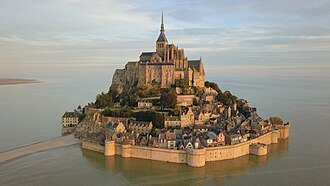
A medieval Benedictine abbey perched on a tidal island off the coast of Normandy.
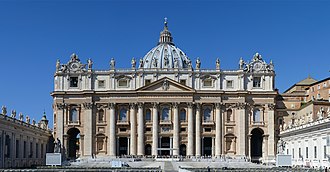
⛪Vatican City (St. Peter's Basilica)
The spiritual center of Roman Catholicism and home of the Pope.
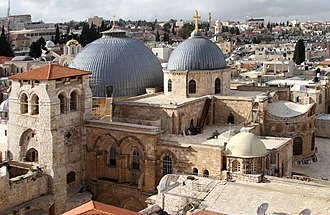
✝️Church of the Holy Sepulchre
The site where Jesus was crucified, buried, and resurrected.