🕌 Queen Arwa Mosque (Jibla)
Yemen
About This Sacred Site
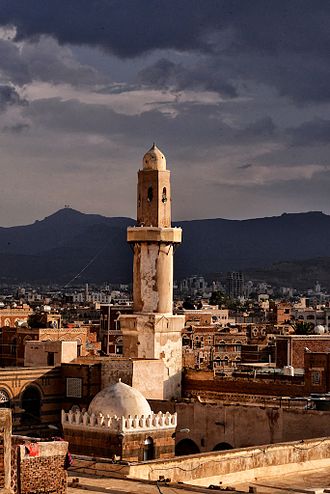
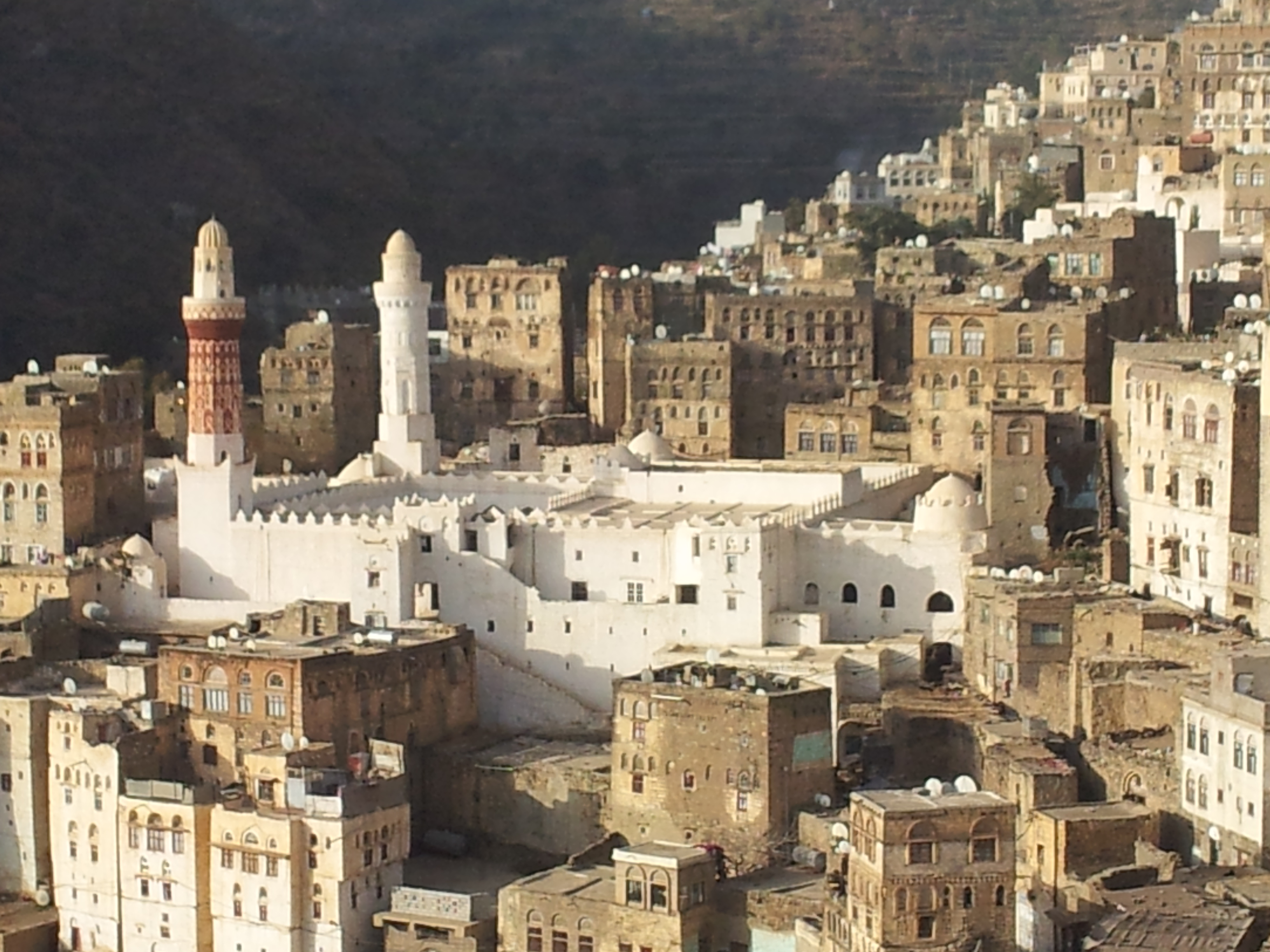
The Queen Arwa Mosque in Jibla, Yemen, was constructed around 1088 CE by Queen Arwa al-Sulayhi, one of the few female rulers in Islamic history. The mosque is notable for its architectural elegance and historical significance as a center of religious and political power during her reign. Built with local stone, it features a spacious prayer hall, intricately carved wooden minbar, and a distinctive minaret that reflects Yemeni Islamic architectural styles. The mosque also served as the queen’s burial site, symbolizing her lasting legacy. Despite centuries of conflict and natural wear, the mosque remains a revered pilgrimage site and a testament to Yemen’s rich Islamic heritage.
Spiritual Significance
Built circa 1088 CE by Queen Arwa al-Sulayhi, who ruled Yemen for over 50 years, this mosque symbolizes her significant role as one of the most powerful women in Islamic history. The mosque served not only as a place of worship following Sunni Islamic traditions but also as a center for religious scholarship and legal administration under her reign. Queen Arwa’s patronage reflects her deep commitment to Islamic jurisprudence and theology, with the mosque incorporating inscriptions of Quranic verses emphasizing justice and piety. The queen is buried within the mosque complex, making it a site of pilgrimage where devotees seek intercession and honor her legacy. Religious festivals, including the annual commemoration of her death, involve Quranic recitations and sermons highlighting her contributions to Islamic governance and spiritual leadership. The mosque’s architecture, featuring traditional Yemeni elements and a prominent minaret, facilitates congregational prayers and serves as a focal point for the local Muslim community’s spiritual life.
Key Facts
- •Built by Queen Arwa al-Sulayhi in the 11th century
- •Queen Arwa ruled Yemen for over 50 years
- •She is one of the most powerful women in Islamic history
- •The queen is buried within the mosque
- •Jibla served as the capital of Yemen under Queen Arwa
Location
Coordinates: 13.9653, 44.1486
Frequently Asked Questions
What religion is Queen Arwa Mosque (Jibla) associated with?▾
Queen Arwa Mosque (Jibla) is a Islam holy site located in Yemen. It was established c. 1088 CE and is ranked #863 in our global directory of sacred sites.
When was Queen Arwa Mosque (Jibla) established?▾
Queen Arwa Mosque (Jibla) dates back to c. 1088 CE. Built by Queen Arwa al-Sulayhi in the 11th century
How many people visit Queen Arwa Mosque (Jibla) each year?▾
Queen Arwa Mosque (Jibla) receives approximately 30,000 visitors per year. Queen Arwa ruled Yemen for over 50 years
What is Queen Arwa Mosque (Jibla) known for?▾
A mosque built by Queen Arwa al-Sulayhi, one of the most powerful women in Islamic history. Visitors come seeking pilgrimage, blessings, guidance, peace. She is one of the most powerful women in Islamic history
Related Holy Sites
Sacred places connected by country, religion, and purpose