🕌 Great Mosque of Sana'a
Yemen
About This Sacred Site
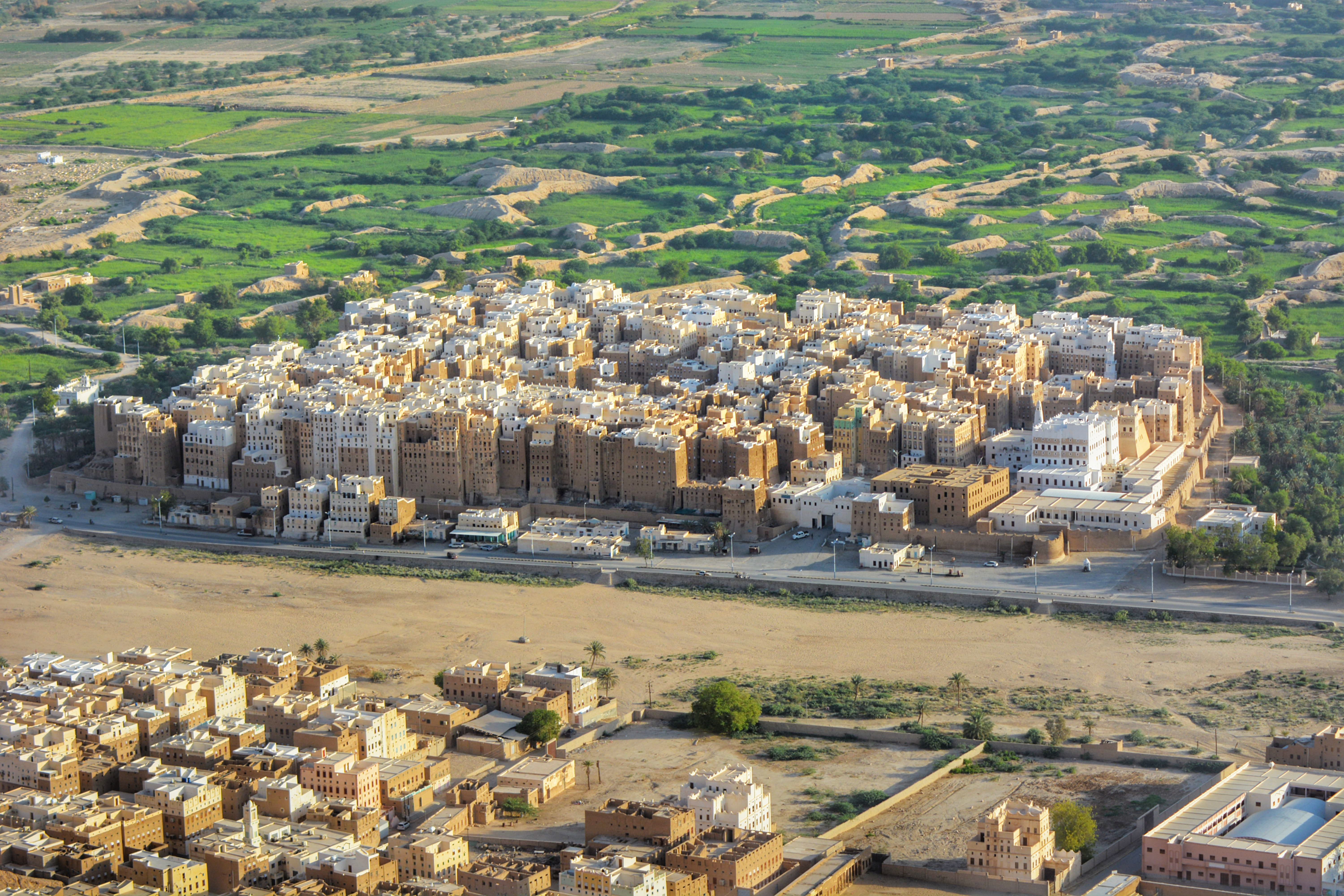
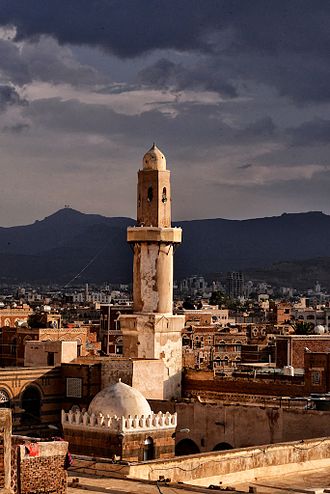
The Great Mosque of Sana'a (Al-Jami al-Kabir) is one of the oldest mosques in the Islamic world, traditionally believed to have been built during the lifetime of Prophet Muhammad in the 7th century CE. The mosque is part of the UNESCO-listed Old City of Sana'a and features a large prayer hall supported by numerous columns. In 1972, ancient Quran manuscripts were discovered during restoration work, including some of the oldest known fragments of the Quran. The mosque remains an active center of Islamic learning and worship.
History & Origins
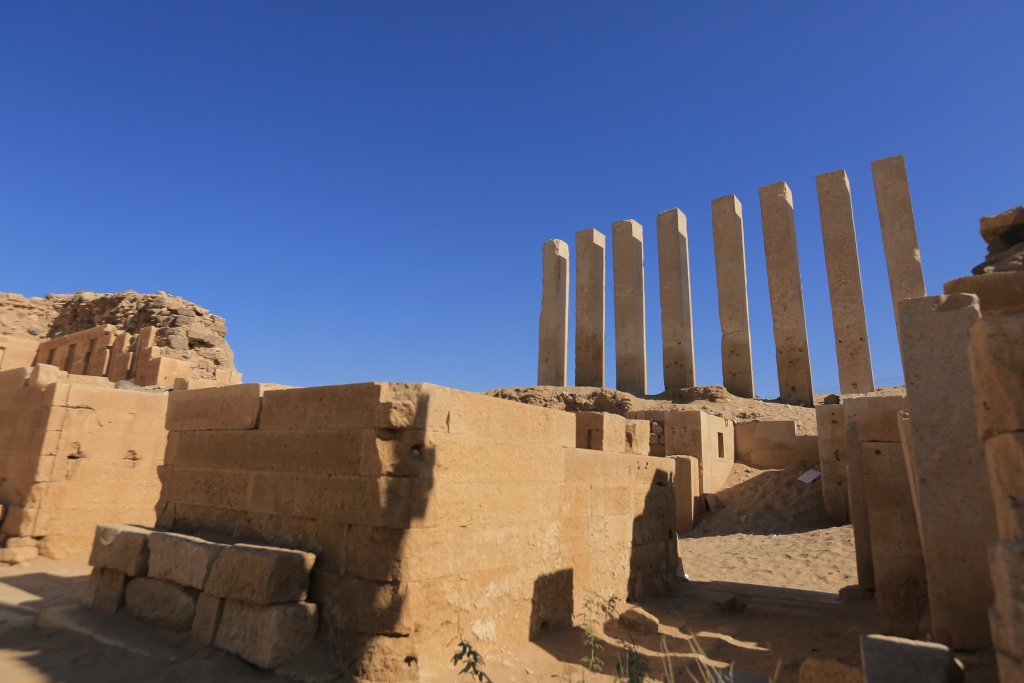
The Great Mosque of Sana'a, established around 630 CE, is believed to have been constructed during the lifetime of Prophet Muhammad, making it one of the oldest mosques in the Islamic world. Historical records attribute its founding to the early Muslim community under Caliph Abu Bakr's rule. The mosque underwent several renovations, notably during the Abbasid period in the 8th century and later expansions under the Rasulid dynasty in the 13th century. In 1972, ancient Quranic manuscripts written on parchment were discovered within its walls, dating back to the 7th century, which are among the oldest surviving copies of the Quran. The mosque's architecture features a large rectangular courtyard, hypostyle prayer halls, and minarets reflecting early Islamic design. It forms part of the Old City of Sana'a, which was designated a UNESCO World Heritage Site in 1986, emphasizing its historical and cultural value. Despite damage during recent conflicts, restoration efforts have aimed to preserve its unique blend of Islamic architectural elements and Yemeni craftsmanship.
Spiritual Significance
As one of Islam's earliest mosques, it holds immense spiritual significance for Muslim worshippers who believe it was established by companions of Prophet Muhammad. The mosque hosts the five daily prayers as prescribed in the Quran, and it is especially revered during Ramadan when Taraweeh prayers are conducted in congregation. The discovery of ancient Quranic manuscripts reinforces its theological importance as a site connected to the preservation of the Quranic text. Pilgrims visit to perform Salah and to seek blessings through prayers in a mosque linked to the Prophet's era. The mosque's alignment with the Qibla and its large prayer halls accommodate significant gatherings during Eid al-Fitr and Eid al-Adha festivals. Local traditions emphasize the mosque as a center for religious education and the study of Hadith, reflecting its role in disseminating Islamic teachings. The mosque continues to be a spiritual hub for Sana'a's Muslim community and a symbol of Islamic heritage in Yemen.
Key Facts
- •Believed to have been built during Prophet Muhammad's lifetime
- •Ancient Quran manuscripts were discovered here in 1972
- •Part of the UNESCO-listed Old City of Sana'a
- •One of the oldest mosques in the Islamic world
- •Features a large prayer hall with ancient columns
Location
Coordinates: 15.3525, 44.2128
Frequently Asked Questions
What religion is Great Mosque of Sana'a associated with?▾
Great Mosque of Sana'a is a Islam holy site located in Yemen. It was established c. 630 CE and is ranked #140 in our global directory of sacred sites.
When was Great Mosque of Sana'a established?▾
Great Mosque of Sana'a dates back to c. 630 CE. Believed to have been built during Prophet Muhammad's lifetime
How many people visit Great Mosque of Sana'a each year?▾
Great Mosque of Sana'a receives approximately 500,000 visitors per year. Ancient Quran manuscripts were discovered here in 1972
What is Great Mosque of Sana'a known for?▾
One of the oldest mosques in the world, said to have been built during Prophet Muhammad's lifetime. Visitors come seeking pilgrimage, spiritual enlightenment, blessings, guidance. Part of the UNESCO-listed Old City of Sana'a
Related Holy Sites
Sacred places connected by country, religion, and purpose