
🏔️ Quebrada de Humahuaca
Argentina
About This Sacred Site
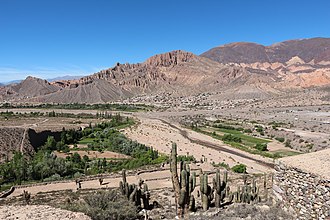
The Quebrada de Humahuaca is a dramatic, narrow mountain valley in Jujuy Province, northwestern Argentina, used as a cultural and trade route for over 10,000 years. The valley is dotted with pre-Inca ruins (pucarás), colonial-era churches, and communities that maintain syncretic Andean-Catholic traditions such as Pachamama (Earth Mother) ceremonies. The multicolored geological formations, particularly the Cerro de los Siete Colores (Hill of Seven Colors), are considered sacred. It is a UNESCO World Heritage Site.
History & Origins
Quebrada de Humahuaca has been a continuous cultural and trade route since approximately 10,000 BCE, serving indigenous communities for over 12 millennia. It was a vital corridor during the Inca Empire in the 15th to early 16th centuries, facilitating exchanges between highland and lowland cultures. Spanish colonial authorities in the 16th century used the quebrada for mineral transport, especially silver from Potosí. The landscape features terraced agriculture and pre-Columbian ruins such as Pucará de Tilcara, dating back to the 12th century CE. In 2003, UNESCO inscribed the quebrada as a World Heritage Cultural Landscape for its archaeological and cultural significance. Modern indigenous groups, including the Omaguaca people, continue traditional practices, maintaining the continuity of ancient pathways and settlements.
Spiritual Significance
Local communities integrate Andean cosmology with Catholic elements, resulting in syncretic rituals observed during festivals like Pachamama Raymi in August. Pilgrims perform offerings to Pachamama, the Earth Mother, using coca leaves, chicha, and llama fat. Catholic patron saint festivals, such as those dedicated to the Virgin of Candelaria, are celebrated with processions blending indigenous music and dance. The quebrada's sacred sites include chullpas (ancient funerary towers) that align with celestial bodies, reflecting Andean astronomy. Spiritual leaders known as yatiris conduct ceremonies invoking spirits of mountains (apus). The quebrada also features shrines where both indigenous and Christian prayers are recited, embodying centuries of cultural and religious fusion.
Key Facts
- •Used as a cultural and trade route for over 10,000 years
- •Inscribed as a UNESCO World Heritage Cultural Landscape in 2003
- •Communities practice syncretic Andean-Catholic traditions including Pachamama worship
- •The Cerro de los Siete Colores at Purmamarca displays vivid multicolored rock strata
- •Pre-Inca and Inca fortified settlements (pucarás) are scattered throughout the valley
Location
Coordinates: -23.2050, -65.3482
Frequently Asked Questions
What religion is Quebrada de Humahuaca associated with?▾
Quebrada de Humahuaca is a Indigenous holy site located in Argentina. It was established c. 10,000 BCE (continuous use) and is ranked #149 in our global directory of sacred sites.
When was Quebrada de Humahuaca established?▾
Quebrada de Humahuaca dates back to c. 10,000 BCE (continuous use). Used as a cultural and trade route for over 10,000 years
How many people visit Quebrada de Humahuaca each year?▾
Quebrada de Humahuaca receives approximately 500,000 visitors per year. Inscribed as a UNESCO World Heritage Cultural Landscape in 2003
What is Quebrada de Humahuaca known for?▾
A sacred Andean valley in northwestern Argentina where pre-Inca, Inca, and colonial sacred traditions converge. Visitors come seeking ancestral connection, spiritual enlightenment, pilgrimage, purification. Communities practice syncretic Andean-Catholic traditions including Pachamama worship
Related Holy Sites
Sacred places connected by country, religion, and purpose
🪨Uluru (Ayers Rock)
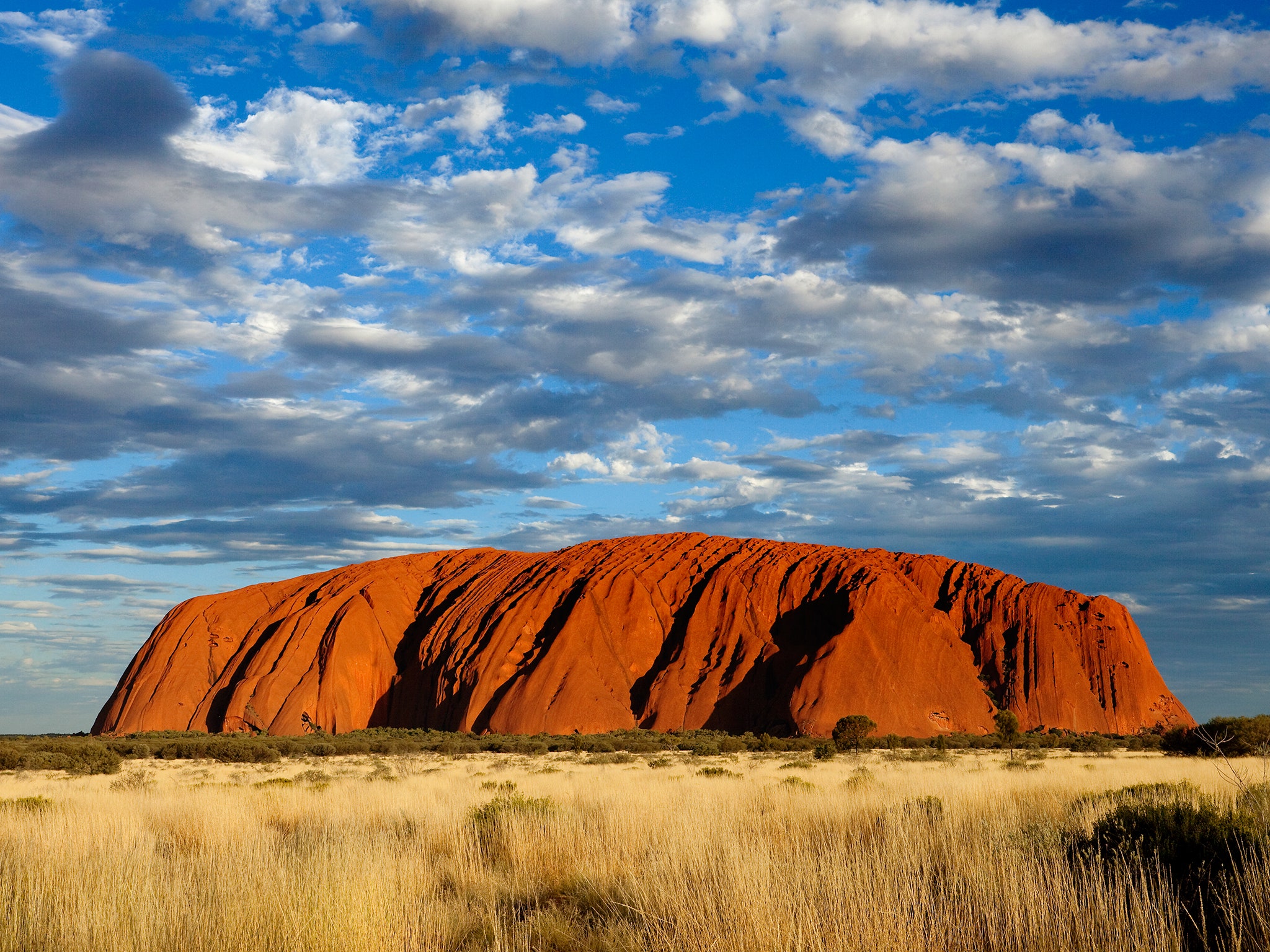
A sacred monolith central to Aboriginal Australian creation stories.
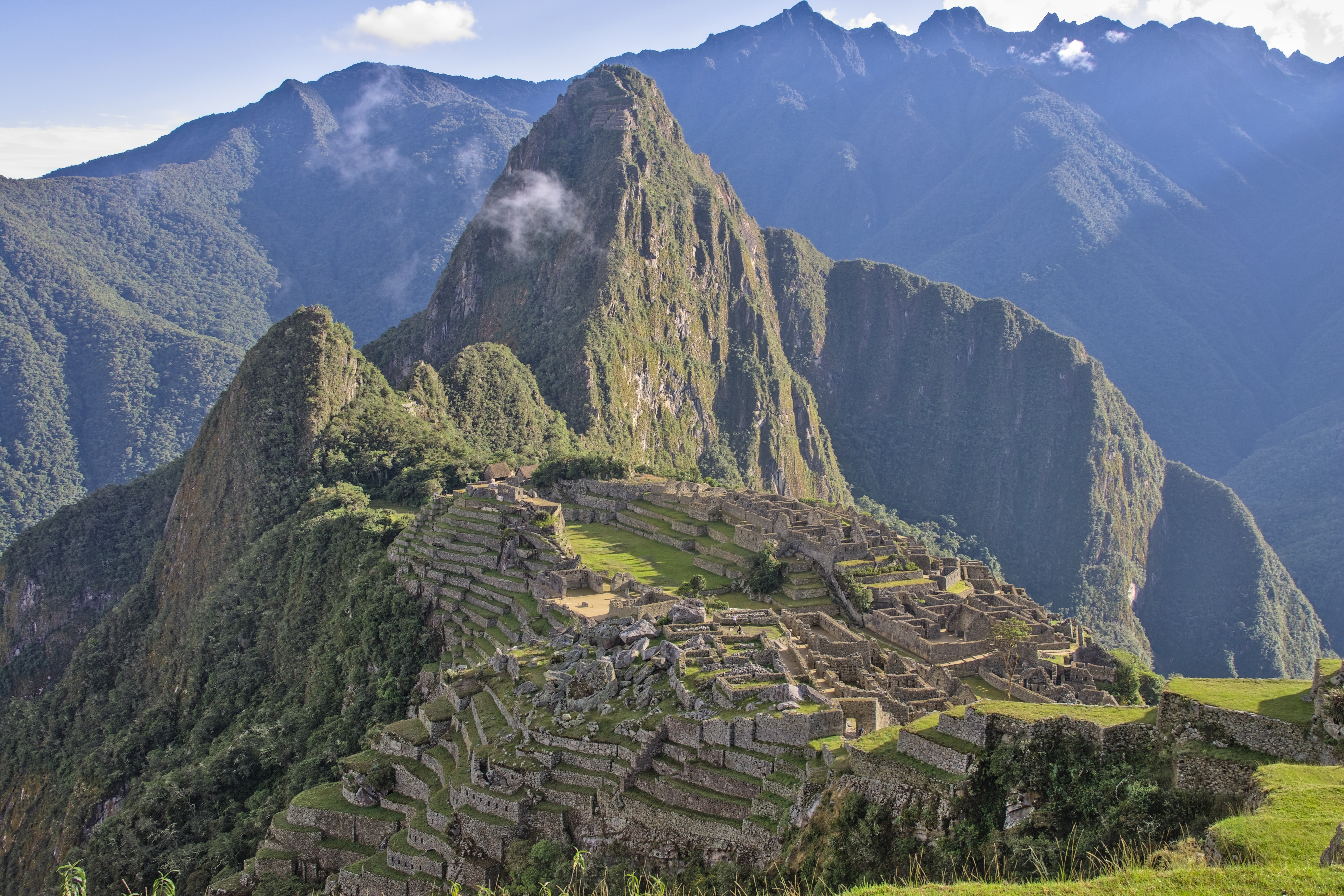
🏔️Machu Picchu
A sacred Inca citadel set high in the Andes, aligned with astronomical events.
🕋Masjid al-Haram (Great Mosque of Mecca)
The holiest site in Islam, home of the Kaaba, and the destination for Hajj pilgrimage.
🕌Temple Mount / Al-Aqsa (Jerusalem)
Sacred to Judaism, Christianity, and Islam — the most contested holy site on Earth.

