🏯 Punakha Dzong
Bhutan
About This Sacred Site
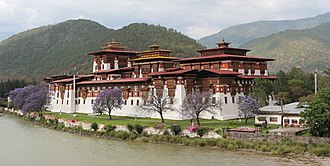
Punakha Dzong, officially Pungthang Dechen Phodrang ('Palace of Great Happiness'), is the second oldest and most majestic dzong (fortress-monastery) in Bhutan. Built in 1637-38 by Zhabdrung Ngawang Namgyal, the unifier of Bhutan, it stands at the scenic confluence of the Pho Chhu (Father River) and Mo Chhu (Mother River). The dzong served as the capital of Bhutan until 1955 and remains the winter residence of the central monk body. The first king of Bhutan was crowned here in 1907, and royal weddings are still held within its walls.
History & Origins
Punakha Dzong was constructed in 1637-38 by Zhabdrung Ngawang Namgyal, the Tibetan lama who unified Bhutan and established the dual system of government. Positioned strategically at the confluence of the Pho Chhu and Mo Chhu rivers, the dzong served as Bhutan's administrative and religious center until the mid-20th century. The fortress has survived several floods and fires, with major renovations undertaken in 2004 following extensive flood damage. Punakha Dzong housed the first King of Bhutan, Ugyen Wangchuck, during the establishment of the monarchy in 1907. Its architecture combines traditional Bhutanese dzong design with elaborate woodwork and murals depicting Buddhist deities, reflecting its dual function as a monastery and government seat.
Spiritual Significance
Punakha Dzong is the winter residence of Bhutan’s Central Monastic Body, including the Je Khenpo, the chief abbot, who leads rituals according to the Drukpa Kagyu school of Tibetan Buddhism. The dzong hosts the annual Punakha Tshechu festival, featuring masked cham dances that reenact Buddhist teachings and protect against malevolent spirits. The site enshrines sacred relics of Guru Rinpoche and Terton Pema Lingpa, making it a vital pilgrimage destination. Devotees engage in prayer rituals to the Tara and Avalokiteshvara deities, seeking blessings for peace and prosperity. The dzong also serves as the venue for the royal wedding ceremonies, intertwining secular and spiritual authority in Bhutanese tradition.
Key Facts
- •Built in 1637-38 by Zhabdrung Ngawang Namgyal, the founder of Bhutan
- •Located at the confluence of the Pho Chhu and Mo Chhu rivers
- •Served as Bhutan's capital and seat of government until 1955
- •Houses sacred relics including the Rangjung Kasarpani, a self-created image of Avalokiteshvara
- •The first king of Bhutan was crowned here in 1907
Location
Coordinates: 27.5914, 89.8633
Frequently Asked Questions
What religion is Punakha Dzong associated with?▾
Punakha Dzong is a Buddhism holy site located in Bhutan. It was established 1637 CE and is ranked #707 in our global directory of sacred sites.
When was Punakha Dzong established?▾
Punakha Dzong dates back to 1637 CE. Built in 1637-38 by Zhabdrung Ngawang Namgyal, the founder of Bhutan
How many people visit Punakha Dzong each year?▾
Punakha Dzong receives approximately 100,000+ visitors per year. Located at the confluence of the Pho Chhu and Mo Chhu rivers
What is Punakha Dzong known for?▾
The most majestic dzong in Bhutan, at the confluence of two rivers. Visitors come seeking blessings, protection, peace, guidance. Served as Bhutan's capital and seat of government until 1955
Related Holy Sites
Sacred places connected by country, religion, and purpose
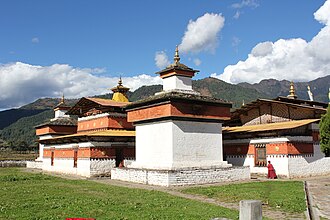
🙏Jambay Lhakhang
One of Bhutan's oldest temples, built in the 7th century by the Tibetan King Songtsen Gampo.
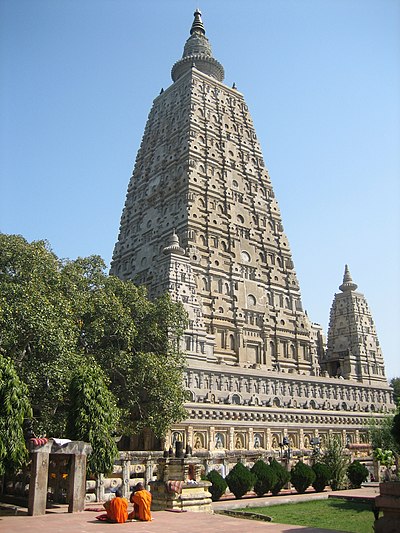
☸️Bodh Gaya (Mahabodhi Temple)
Where Siddhartha Gautama attained enlightenment and became the Buddha.
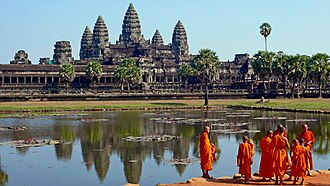
🛕Angkor Wat
The largest religious monument in the world, originally Hindu then Buddhist.