⛪ Portobelo Churches
Panama
About This Sacred Site
The churches of Portobelo, particularly the Church of San Felipe, are renowned for housing the iconic Black Christ (Cristo Negro), a life-sized wooden statue of Jesus Christ venerated by thousands of pilgrims annually. Dating back to around 1600, these colonial-era churches reflect Spanish Baroque architecture and serve as vital religious and cultural centers. The Black Christ statue is central to one of Panama’s most important religious festivals, attracting devotees and tourists alike to this historic Caribbean port town.
History & Origins
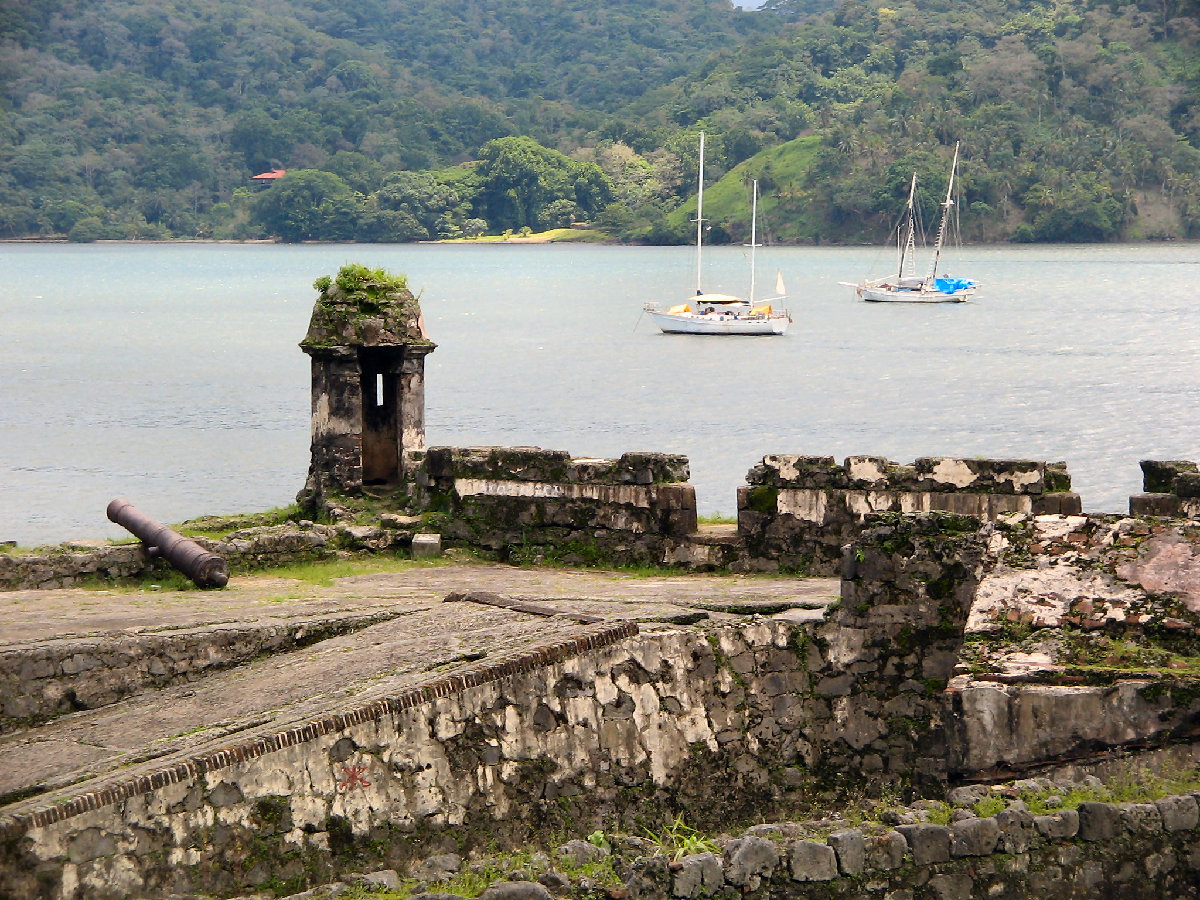
Constructed around 1600 during Spanish colonial rule, the churches of Portobelo were established to serve the spiritual needs of settlers and indigenous converts in the strategic Caribbean port city. The town's churches, including the Church of San Felipe, were built with coral stone and thick walls to withstand pirate attacks, notably after Sir Henry Morgan's 1668 raid. The Black Christ statue, believed to have arrived mysteriously in the 17th century, became the focal point of religious devotion. Over the centuries, the churches underwent multiple restorations, including significant repairs in the 18th century following damage from tropical storms. The churches remain active Catholic sites, preserving Baroque architectural elements reflective of the Spanish Golden Age.
Spiritual Significance
The Festival of the Black Christ on October 21st annually attracts over 60,000 pilgrims who participate in processions and novenas venerating the statue believed to possess miraculous powers. Devotees engage in barefoot pilgrimages from Panama City, reflecting penitential practices rooted in Catholic tradition. The statue's blackened wood is linked to Christ's passion, drawing theological reflection on suffering and redemption, as outlined in the Gospel of John 19:34-37. Confession and communal prayers, including the Rosary, are integral during festivities. The site embodies syncretism with Afro-Panamanian traditions, emphasizing the statue's unique spiritual magnetism in the region.
Key Facts
- •The Black Christ statue arrived mysteriously in Portobelo, according to legend, in the 17th century
- •The Festival of the Black Christ on October 21st draws over 60,000 pilgrims
- •Pilgrims walk for days, many on their knees, to reach the statue
- •Portobelo was a key port for the Spanish treasure fleet carrying New World gold
- •The colonial fortifications and churches are a UNESCO World Heritage Site
Location
Coordinates: 9.5550, -79.6536
Frequently Asked Questions
What religion is Portobelo Churches associated with?▾
Portobelo Churches is a Christianity holy site located in Panama. It was established c. 1600 and is ranked #532 in our global directory of sacred sites.
When was Portobelo Churches established?▾
Portobelo Churches dates back to c. 1600. The Black Christ statue arrived mysteriously in Portobelo, according to legend, in the 17th century
How many people visit Portobelo Churches each year?▾
Portobelo Churches receives approximately 100,000 visitors per year. The Festival of the Black Christ on October 21st draws over 60,000 pilgrims
What is Portobelo Churches known for?▾
Colonial-era churches in Portobelo housing the miraculous Black Christ statue, center of Panama's largest pilgrimage. Visitors come seeking miracles, healing, pilgrimage. Pilgrims walk for days, many on their knees, to reach the statue
Related Holy Sites
Sacred places connected by country, religion, and purpose
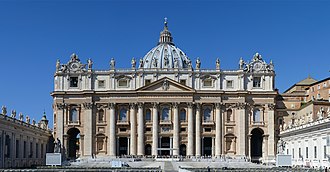
⛪Vatican City (St. Peter's Basilica)
The spiritual center of Roman Catholicism and home of the Pope.
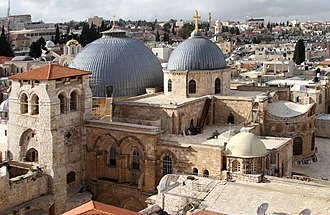
✝️Church of the Holy Sepulchre
The site where Jesus was crucified, buried, and resurrected.