
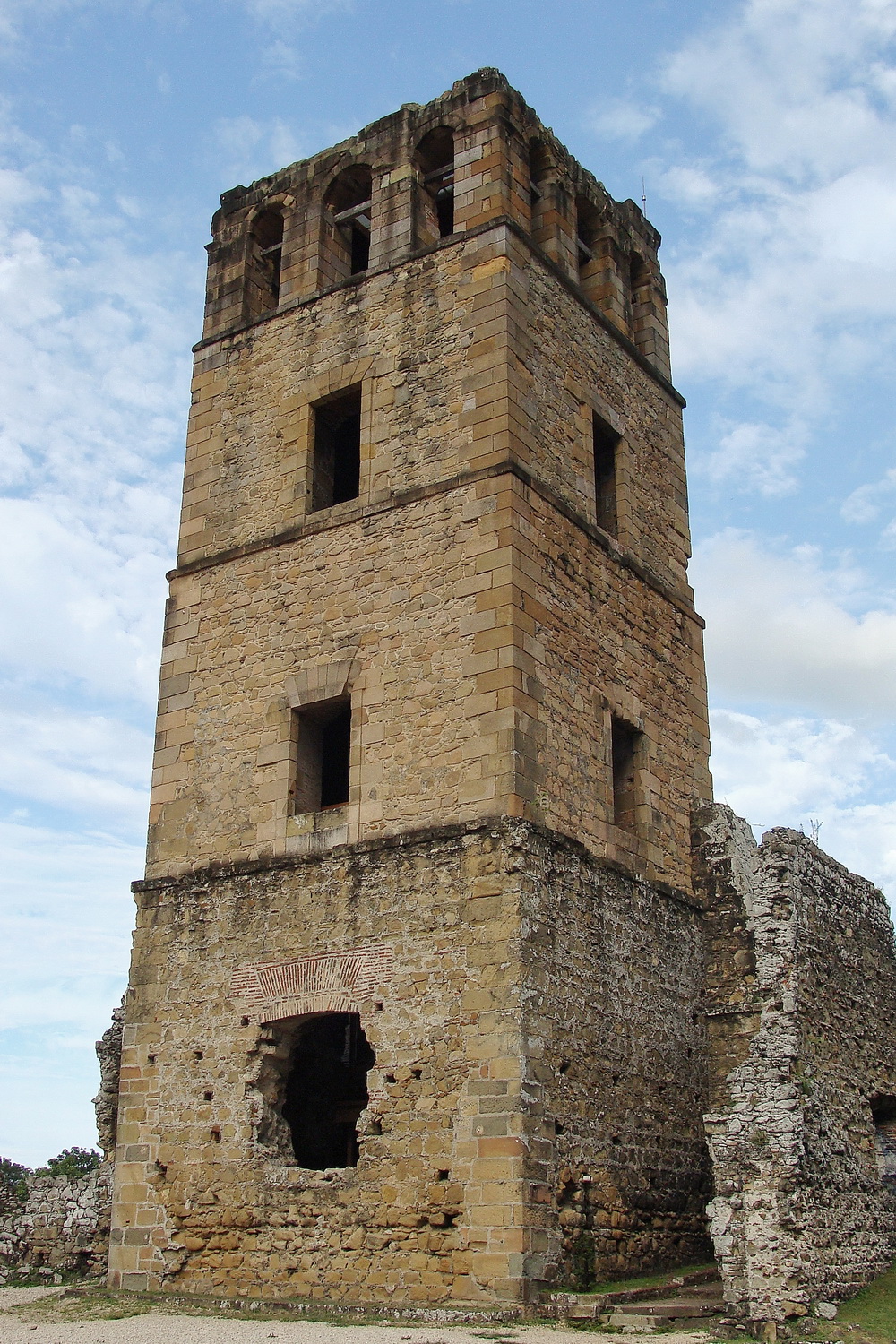
🏛️ Panamá Viejo Ruins
Panama
About This Sacred Site
Panamá Viejo is the archaeological site of the original Panama City, founded in 1519 as the first European settlement on the Pacific coast of the Americas. Now a UNESCO World Heritage site, its ruins include remnants of colonial churches, residences, and fortifications. The site reflects the early Spanish colonial architecture and strategic importance in maritime trade routes. Despite destruction by pirate attacks and fires in the 17th century, Panamá Viejo remains a vital cultural and historical landmark celebrating Panama’s colonial origins.
History & Origins
Panamá Viejo was founded in 1519 by Pedro Arias Dávila, making it the first European settlement on the Pacific coast of the Americas. The city featured a cathedral, convents, and administrative buildings constructed primarily from stone and adobe. In 1671, it was destroyed by the pirate Henry Morgan during a siege that lasted several days, leading to its abandonment and the establishment of a new Panama City across the bay. Archaeological excavations beginning in the 1980s uncovered the ruins of churches, streets, and fortifications, revealing Spanish colonial urban planning from the early 16th century. The site was declared a UNESCO World Heritage Site in 2003 for its significance in early transoceanic exploration and trade. The ruins include the remains of the original cathedral tower, standing approximately 30 meters high before collapse, and remnants of defensive walls built to resist pirate attacks.
Spiritual Significance
The ruins of Panamá Viejo represent the earliest Christian evangelization efforts on the Pacific coast, with the original cathedral dedicated to Santa María la Antigua reflecting Spanish Catholic missionary zeal. The site hosted early Masses celebrated by Franciscan friars following the Roman Rite, introducing European liturgical practices to the New World. Pilgrims visit during the anniversary of the city’s founding on August 15, coinciding with the Feast of the Assumption, participating in commemorative prayers and processions. The ruins also symbolize the resilience of Catholic faith amidst colonial conflicts and piracy, with remnants of altar stones and baptismal fonts preserved as relics. The Franciscan presence influenced local indigenous communities' conversion, documented in missionary records held at the site. Panamá Viejo serves as a testimony to the intersection of faith and colonial expansion, marking the beginning of Christianity's spread along the Pacific coast.
Key Facts
- •Founded in 1519 by Pedro Arias Dávila as the first European city on the Pacific coast
- •Destroyed by the pirate Henry Morgan's raid in 1671
- •UNESCO World Heritage Site since 2003
- •The cathedral tower is the most recognizable historical monument in Panama
- •The ruins include multiple churches and convents from the colonial period
Location
Coordinates: 9.0067, -79.4831
Frequently Asked Questions
What religion is Panamá Viejo Ruins associated with?▾
Panamá Viejo Ruins is a Christianity holy site located in Panama. It was established 1519 and is ranked #422 in our global directory of sacred sites.
When was Panamá Viejo Ruins established?▾
Panamá Viejo Ruins dates back to 1519. Founded in 1519 by Pedro Arias Dávila as the first European city on the Pacific coast
How many people visit Panamá Viejo Ruins each year?▾
Panamá Viejo Ruins receives approximately 250,000 visitors per year. Destroyed by the pirate Henry Morgan's raid in 1671
What is Panamá Viejo Ruins known for?▾
The ruins of the first European settlement on the Pacific coast of the Americas, founded in 1519. Visitors come seeking ancestral connection, pilgrimage, guidance. UNESCO World Heritage Site since 2003
Related Holy Sites
Sacred places connected by country, religion, and purpose
⛪Vatican City (St. Peter's Basilica)
The spiritual center of Roman Catholicism and home of the Pope.
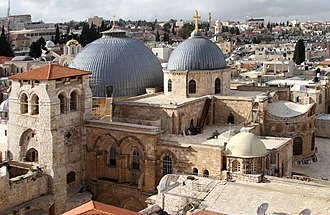
✝️Church of the Holy Sepulchre
The site where Jesus was crucified, buried, and resurrected.
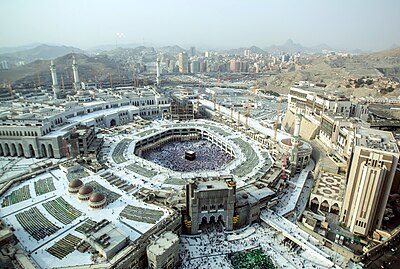
🕋Masjid al-Haram (Great Mosque of Mecca)
The holiest site in Islam, home of the Kaaba, and the destination for Hajj pilgrimage.
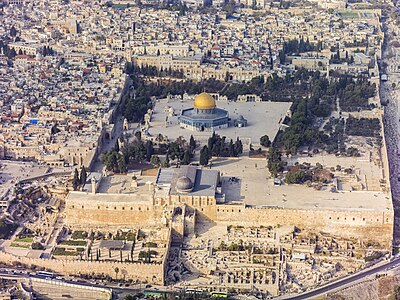
🕌Temple Mount / Al-Aqsa (Jerusalem)
Sacred to Judaism, Christianity, and Islam — the most contested holy site on Earth.

