🏰 Sé do Porto (Porto Cathedral)
Portugal
About This Sacred Site
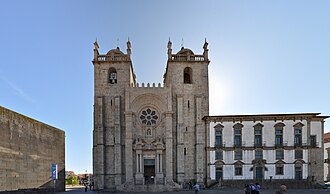
The Sé do Porto is a Romanesque cathedral dominating the skyline of Porto's historic center from its hilltop position. Built in the 12th-13th centuries, its fortress-like appearance reflects the era of the Reconquista. The cathedral is where King João I married Philippa of Lancaster in 1387, an alliance that shaped Portuguese history and launched the Age of Discovery. The Gothic cloister is decorated with beautiful 18th-century azulejo tile panels, and the silver altarpiece in the Chapel of the Holy Sacrament is a masterwork of Portuguese silversmithing.
History & Origins
The origins of Sé do Porto (Porto Cathedral) date to approximately c. 1110, making it a medieval foundation that has endured through centuries of upheaval and renewal. Part of the UNESCO-listed Historic Centre of Porto since 1996. The Gothic cloister features 14th-century architecture with 18th-century azulejo tiles. The original Romanesque structure dates to the 12th century. The traditions maintained here connect contemporary Christian travelers to an unbroken chain of prayer stretching back to c. 1110.
Spiritual Significance
Founded circa 1110, the cathedral is a Romanesque monument integral to the Historic Centre of Porto, designated UNESCO World Heritage in 1996, symbolizing over nine centuries of continuous Christian worship. King João I's marriage to Philippa of Lancaster in 1387 here forged an Anglo-Portuguese alliance, sanctified in this sacred space, which reinforced the cathedral's political and spiritual role. The site contains a Gothic chapel dedicated to Saint John the Evangelist, where liturgies reflect the theological emphasis on the Gospel’s message of salvation. Pilgrims participate in the annual Feast of the Immaculate Conception on December 8, featuring solemn masses and processions. The cathedral houses relics of Saint Catherine and has been a center for the brotherhoods of the Holy Sacrament since the 14th century, who organize Eucharistic adoration and charitable activities. Prince Henry the Navigator worshipped here, linking the cathedral to Portugal's maritime evangelization efforts. The cathedral's Romanesque and Gothic architecture embodies the doctrinal transition from medieval scholasticism to Renaissance humanism, mirrored in liturgical arts and manuscript illumination preserved onsite.
Key Facts
- •Part of the UNESCO-listed Historic Centre of Porto since 1996
- •King João I married Philippa of Lancaster here in 1387, linking Portugal and England
- •Prince Henry the Navigator was baptized in this cathedral
- •The Gothic cloister features 14th-century architecture with 18th-century azulejo tiles
- •The original Romanesque structure dates to the 12th century
Location
Coordinates: 41.1430, -8.6110
Frequently Asked Questions
What religion is Sé do Porto (Porto Cathedral) associated with?▾
Sé do Porto (Porto Cathedral) is a Christianity holy site located in Portugal. It was established c. 1110 and is ranked #290 in our global directory of sacred sites.
When was Sé do Porto (Porto Cathedral) established?▾
Sé do Porto (Porto Cathedral) dates back to c. 1110. Part of the UNESCO-listed Historic Centre of Porto since 1996
How many people visit Sé do Porto (Porto Cathedral) each year?▾
Sé do Porto (Porto Cathedral) receives approximately 500,000 visitors per year. King João I married Philippa of Lancaster here in 1387, linking Portugal and England
What is Sé do Porto (Porto Cathedral) known for?▾
A fortress-like Romanesque cathedral overlooking Porto, witness to Portugal's birth as a nation. Visitors come seeking blessings, pilgrimage, peace, protection. Prince Henry the Navigator was baptized in this cathedral
Related Holy Sites
Sacred places connected by country, religion, and purpose
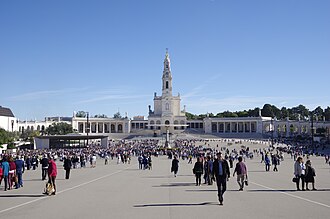
✨Sanctuary of Fátima
Where three shepherd children witnessed apparitions of the Virgin Mary in 1917.
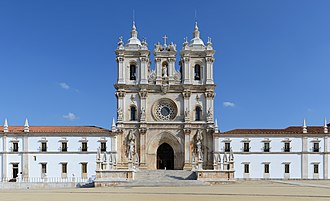
🏛️Alcobaça Monastery
The first Gothic building in Portugal and a Cistercian monastery of austere beauty.
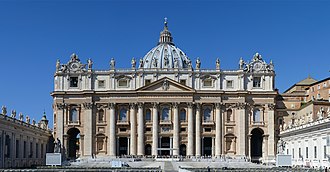
⛪Vatican City (St. Peter's Basilica)
The spiritual center of Roman Catholicism and home of the Pope.
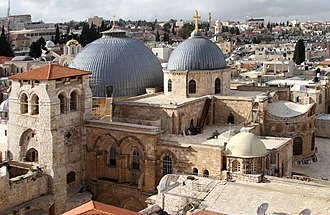
✝️Church of the Holy Sepulchre
The site where Jesus was crucified, buried, and resurrected.