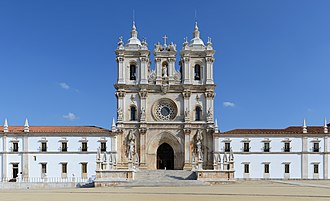
🏛️ Alcobaça Monastery
Portugal
About This Sacred Site
The Monastery of Alcobaça is the earliest Gothic building in Portugal and one of the finest Cistercian monasteries in Europe. Founded in 1153 by Portugal's first king, Afonso Henriques, it was entrusted to the Cistercian order, whose monks played a central role in colonizing and cultivating the surrounding territory. The church is the largest in Portugal and follows the austere Cistercian aesthetic of unadorned stone and pure proportions. The monastery houses the elaborately carved tombs of King Pedro I and Inês de Castro, Portugal's most tragic love story.
History & Origins
Founded in 1153 by King Afonso Henriques, the monastery was the first Gothic building in Portugal, marking the rise of the Cistercian order in the Iberian Peninsula. It was built on land granted by the king to Bernard of Clairvaux’s monks, emphasizing the importance of Cistercian austerity and reform. The church, measuring 106 meters in length, remains the largest in Portugal, showcasing early Gothic architectural innovations such as pointed arches and flying buttresses. Throughout the 13th and 14th centuries, the monastery underwent expansions including the addition of the Royal Pantheon, which houses the tombs of Pedro I and Inês de Castro, whose tragic love story is central to Portuguese cultural memory. Alcobaça was declared a UNESCO World Heritage Site in 1989, acknowledging its historical and architectural significance.
Spiritual Significance
The monastery served as a spiritual center for Cistercian monasticism, emphasizing manual labor and liturgical prayer following the Rule of Saint Benedict. Daily offices were chanted in the expansive church, designed to enhance acoustics for Gregorian chant, central to Cistercian worship. The tombs of Pedro I and Inês de Castro function as pilgrimage sites where devotees commemorate themes of divine justice and eternal love, with special masses held on July 1, the anniversary of their deaths. The cloisters facilitated meditative walking and scriptural study, particularly of Psalms, reflecting monastic devotion to contemplation and penitence. The site also hosted annual celebrations of the Assumption of Mary on August 15, underscoring Marian devotion central to the monastery’s spiritual calendar.
Key Facts
- •UNESCO World Heritage Site since 1989
- •The church is the largest in Portugal at 106 meters long
- •Founded by Portugal's first king, Afonso Henriques, in 1153
- •Houses the tombs of Pedro I and Inês de Castro, facing each other so they will see each other first at the resurrection
- •The medieval kitchen features a stream diverted through it for washing and fresh fish
Location
Coordinates: 39.5488, -8.9784
Frequently Asked Questions
What religion is Alcobaça Monastery associated with?▾
Alcobaça Monastery is a Christianity holy site located in Portugal. It was established 1153 and is ranked #205 in our global directory of sacred sites.
When was Alcobaça Monastery established?▾
Alcobaça Monastery dates back to 1153. UNESCO World Heritage Site since 1989
How many people visit Alcobaça Monastery each year?▾
Alcobaça Monastery receives approximately 350,000 visitors per year. The church is the largest in Portugal at 106 meters long
What is Alcobaça Monastery known for?▾
The first Gothic building in Portugal and a Cistercian monastery of austere beauty. Visitors come seeking peace, spiritual enlightenment, pilgrimage, purification. Founded by Portugal's first king, Afonso Henriques, in 1153
Related Holy Sites
Sacred places connected by country, religion, and purpose
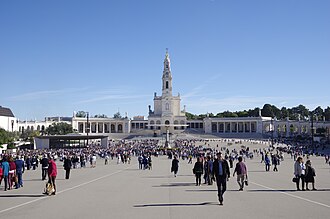
✨Sanctuary of Fátima
Where three shepherd children witnessed apparitions of the Virgin Mary in 1917.
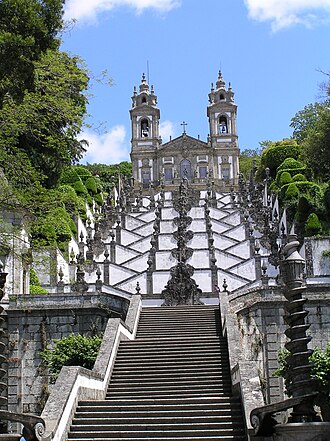
🪜Bom Jesus do Monte
A monumental Baroque stairway in Braga symbolizing the ascent to heaven.
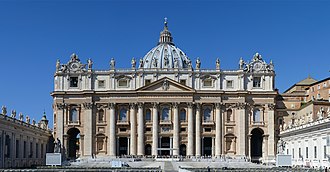
⛪Vatican City (St. Peter's Basilica)
The spiritual center of Roman Catholicism and home of the Pope.
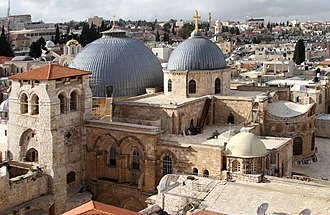
✝️Church of the Holy Sepulchre
The site where Jesus was crucified, buried, and resurrected.