
⛪ St. Sophia Cathedral, Polotsk
Belarus
About This Sacred Site
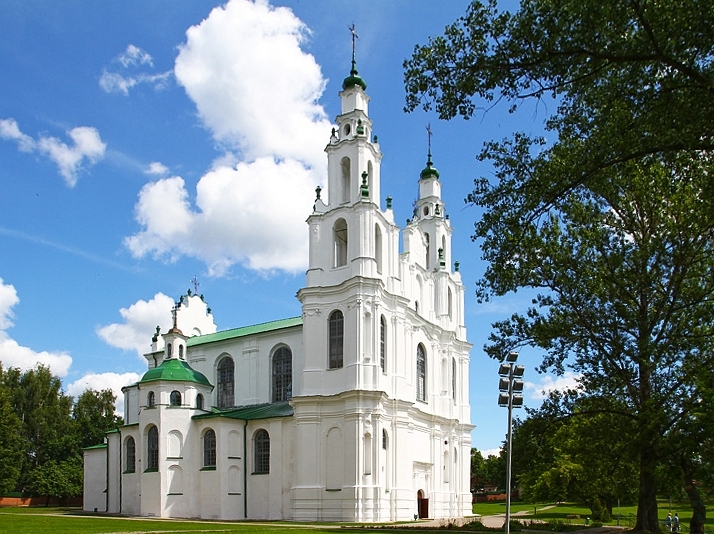
St. Sophia Cathedral in Polotsk is one of the oldest stone churches in Eastern Europe, originally built between 1044 and 1066 during the reign of Prince Vseslav of Polotsk. Modeled after Hagia Sophia in Constantinople via its namesake in Kyiv, it was one of only three Sophia cathedrals in Kievan Rus. The original 11th-century structure was severely damaged and rebuilt in the Baroque style in the 18th century, though portions of the original foundations and frescoes survive. It now serves as a concert hall and museum.
History & Origins
St. Sophia Cathedral in Polotsk was originally constructed between 1044 and 1066 under the reign of Prince Vseslav the Seer, making it one of the earliest stone churches in the region of Kievan Rus. It is one of only three cathedrals named 'Sophia' in Kievan Rus, symbolizing divine wisdom, modeled after the Hagia Sophia of Constantinople. After sustaining severe damage during the 17th century wars, the cathedral was rebuilt in the 18th century adopting the Baroque architectural style, which introduced ornate facades and interior decorations. The cathedral has been a central religious and cultural symbol for the Polotsk region, witnessing numerous historical events including the 13th-century Mongol invasions and the 19th-century Polish uprisings. It remains a functioning place of worship and a prominent example of the fusion of Byzantine and Western architectural influences.
Spiritual Significance
The cathedral is a major pilgrimage destination for Orthodox Christians, who celebrate its patronal feast day on May 3rd, commemorating the Holy Wisdom. Liturgies here follow the Byzantine Rite, with extensive use of ancient Slavonic chants and icon veneration, especially icons of the Mother of God and Saint Sophia. The cathedral hosts the annual celebration of the feast of Saint Euphrosyne of Polotsk, a local saint whose relics were historically housed here, attracting pilgrims from across Belarus. Theological teachings at the cathedral emphasize the integration of divine wisdom and human knowledge, inspired by Proverbs 9:10. The cathedral also supports a tradition of monastic liturgical practices, with monks and nuns conducting daily hours and providing spiritual guidance to pilgrims. Its walls bear frescoes illustrating key biblical narratives and Orthodox hagiography, enhancing its role as a site for catechesis and devotional life.
Key Facts
- •Originally built between 1044 and 1066 by Prince Vseslav
- •One of only three Sophia cathedrals in Kievan Rus
- •Rebuilt in Baroque style in the 18th century after severe damage
- •Fragments of 11th-century frescoes survive in the foundations
- •Currently used as a concert hall and museum of architecture
Location
Coordinates: 55.4864, 28.7583
Frequently Asked Questions
What religion is St. Sophia Cathedral, Polotsk associated with?▾
St. Sophia Cathedral, Polotsk is a Christianity holy site located in Belarus. It was established 1066 and is ranked #528 in our global directory of sacred sites.
When was St. Sophia Cathedral, Polotsk established?▾
St. Sophia Cathedral, Polotsk dates back to 1066. Originally built between 1044 and 1066 by Prince Vseslav
How many people visit St. Sophia Cathedral, Polotsk each year?▾
St. Sophia Cathedral, Polotsk receives approximately 150,000 visitors per year. One of only three Sophia cathedrals in Kievan Rus
What is St. Sophia Cathedral, Polotsk known for?▾
One of the oldest churches in Eastern Europe, built in the 11th century. Visitors come seeking spiritual enlightenment, ancestral connection, peace. Rebuilt in Baroque style in the 18th century after severe damage
Related Holy Sites
Sacred places connected by country, religion, and purpose
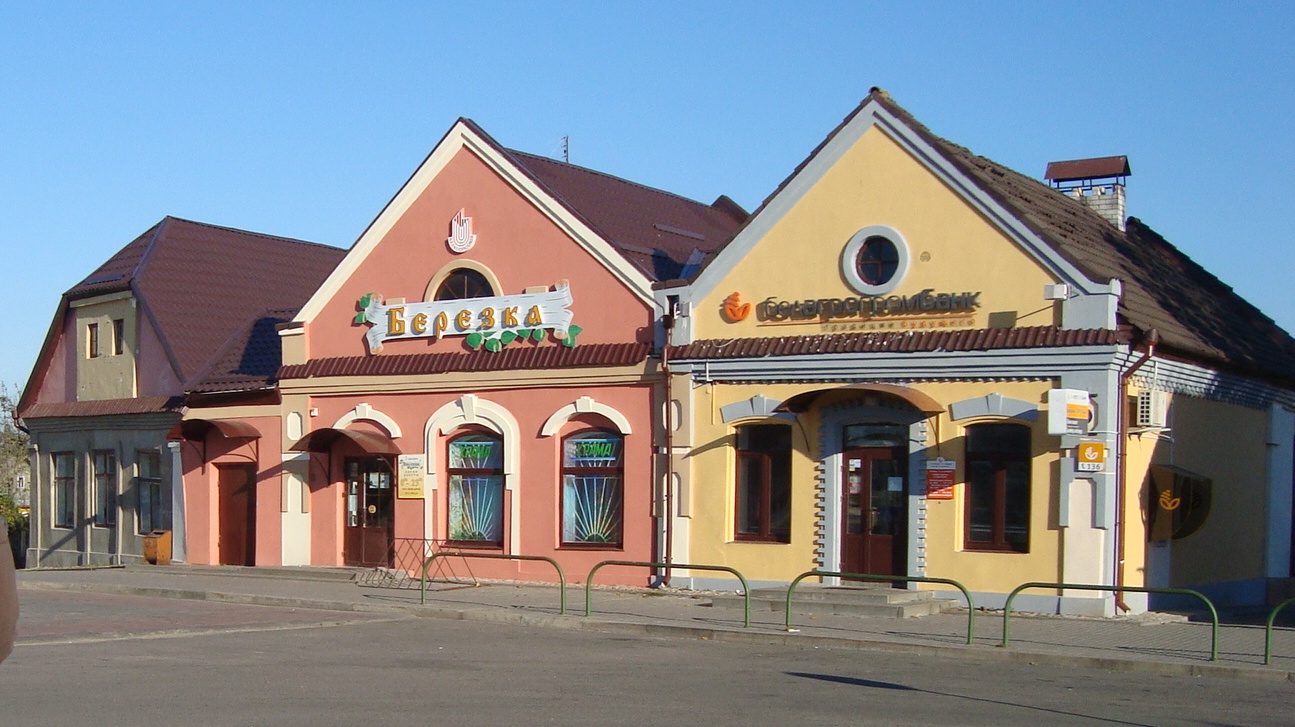
🏰Mir Castle Chapel
A chapel within the UNESCO-listed Mir Castle complex in western Belarus.
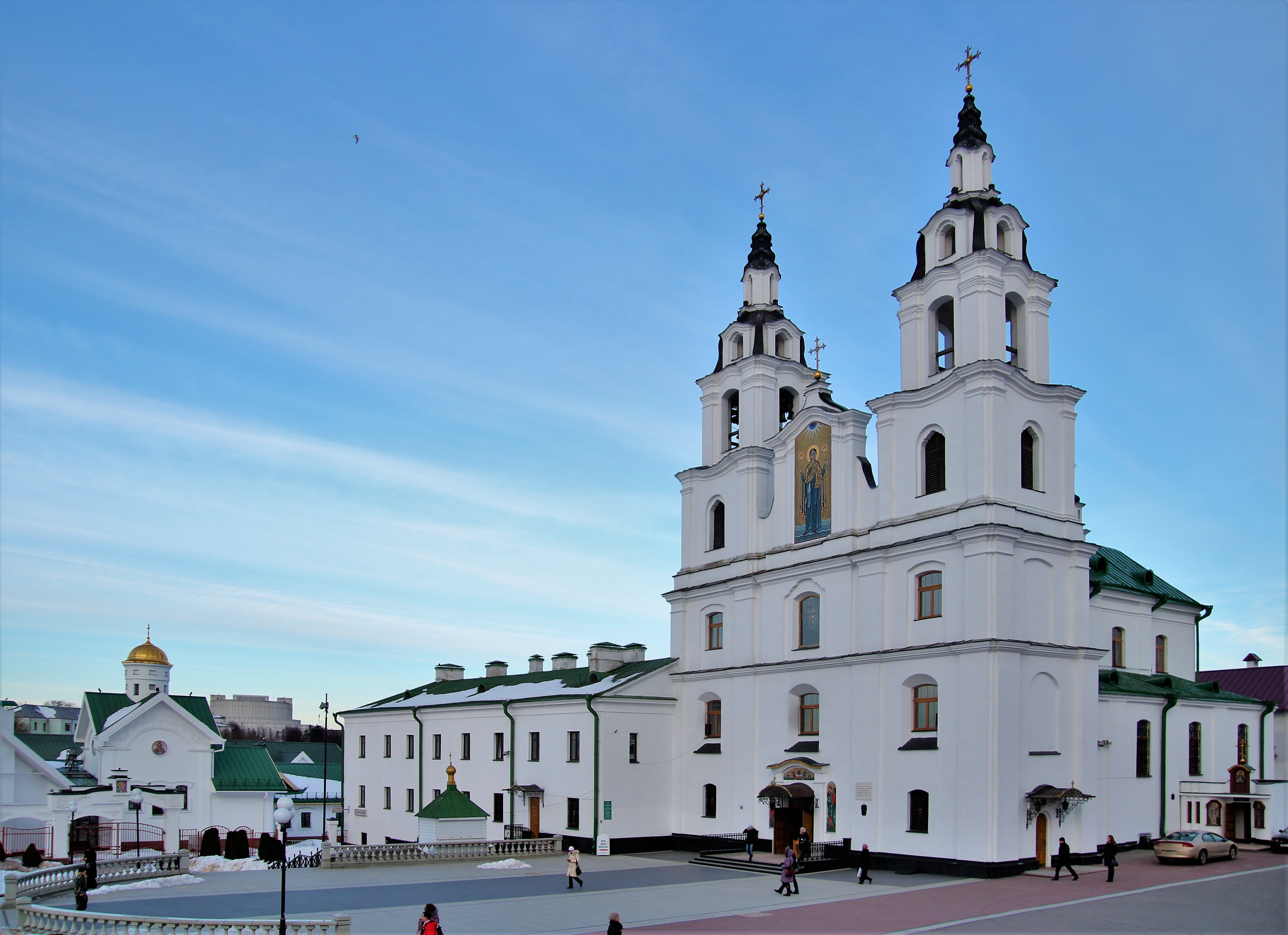
⛪Holy Spirit Cathedral, Minsk
The main Orthodox cathedral of Minsk, housing a miraculous icon of the Virgin Mary.
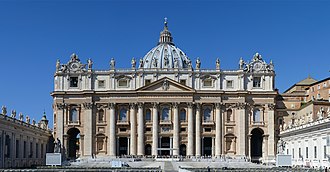
⛪Vatican City (St. Peter's Basilica)
The spiritual center of Roman Catholicism and home of the Pope.
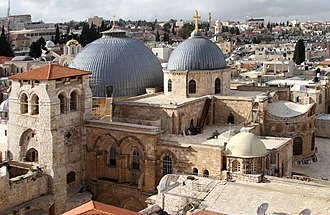
✝️Church of the Holy Sepulchre
The site where Jesus was crucified, buried, and resurrected.
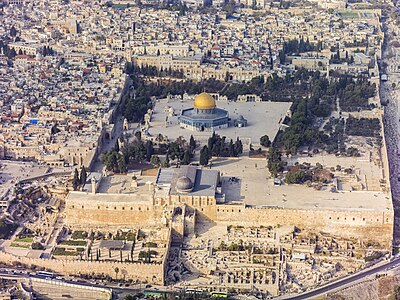
🕌Temple Mount / Al-Aqsa (Jerusalem)
Sacred to Judaism, Christianity, and Islam — the most contested holy site on Earth.
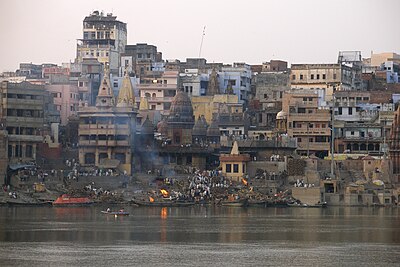
🙏Varanasi (Kashi Vishwanath Temple)
The holiest city in Hinduism, where the Ganges River purifies the soul.

