🏰 Mir Castle Chapel
Belarus
About This Sacred Site
Mir Castle, a UNESCO World Heritage Site in western Belarus, contains a chapel that reflects the complex religious history of the region. Built in the early 16th century, the castle and its chapel passed through Catholic, Orthodox, and eventually aristocratic secular hands. The Radziwill and Svyatopolk-Mirsky families who owned the castle added a family chapel and mausoleum. The castle's architecture blends Gothic, Renaissance, and Baroque elements, and the chapel area includes the burial vault of the Svyatopolk-Mirsky family.
History & Origins
Mir Castle Chapel, located within the early 16th-century Mir Castle complex in Belarus, was constructed concurrently with the castle which was initiated by Duke Ilinich in the 1520s. The castle itself exemplifies a blend of Gothic, Renaissance, and Baroque architectural styles, reflecting successive modifications over centuries. The chapel and the tomb of the Svyatopolk-Mirsky family were added much later in 1904, during the ownership of the Svyatopolk-Mirsky noble lineage, marking a significant enhancement to the religious function of the site. Mir Castle was recognized as a UNESCO World Heritage Site in 2000 for its outstanding architectural preservation and historical importance in Eastern European feudal history. The castle chapel has undergone restorations in the 20th century, notably after damages sustained during both World Wars, ensuring the preservation of its original religious artifacts and family tombs.
Spiritual Significance
The chapel within the Mir Castle complex serves as the family mausoleum for the Svyatopolk-Mirsky dynasty, emphasizing Orthodox Christian funerary traditions prevalent in Belarusian nobility. Annual commemorative services are held on the feast days of saints revered by the family, linking the site to Eastern Orthodox liturgical calendars. Pilgrims and visitors often engage in prayers from the Psalms, especially Psalm 23, reflecting the chapel's focus on divine protection and eternal rest. The chapel also hosts occasional celebrations of the Dormition of the Theotokos, a major Orthodox feast, underscoring its liturgical significance. Local Orthodox priests lead rituals blessing the tombs, maintaining the chapel as a sacred space for remembrance and intercession according to Eastern Christian theology. The chapel’s stained glass and iconography reflect Belarusian ecclesiastical art traditions dating back to the 16th century.
Key Facts
- •The castle was built in the early 16th century
- •UNESCO World Heritage Site since 2000
- •The chapel and tomb of the Svyatopolk-Mirsky family date to 1904
- •The castle blends Gothic, Renaissance, and Baroque architecture
- •Owned by the powerful Radziwill family from 1568 to 1813
Location
Coordinates: 53.4514, 26.4731
Frequently Asked Questions
What religion is Mir Castle Chapel associated with?▾
Mir Castle Chapel is a Christianity holy site located in Belarus. It was established 16th century and is ranked #176 in our global directory of sacred sites.
When was Mir Castle Chapel established?▾
Mir Castle Chapel dates back to 16th century. The castle was built in the early 16th century
How many people visit Mir Castle Chapel each year?▾
Mir Castle Chapel receives approximately 300,000 visitors per year. UNESCO World Heritage Site since 2000
What is Mir Castle Chapel known for?▾
A chapel within the UNESCO-listed Mir Castle complex in western Belarus. Visitors come seeking peace, ancestral connection, spiritual enlightenment. The chapel and tomb of the Svyatopolk-Mirsky family date to 1904
Related Holy Sites
Sacred places connected by country, religion, and purpose
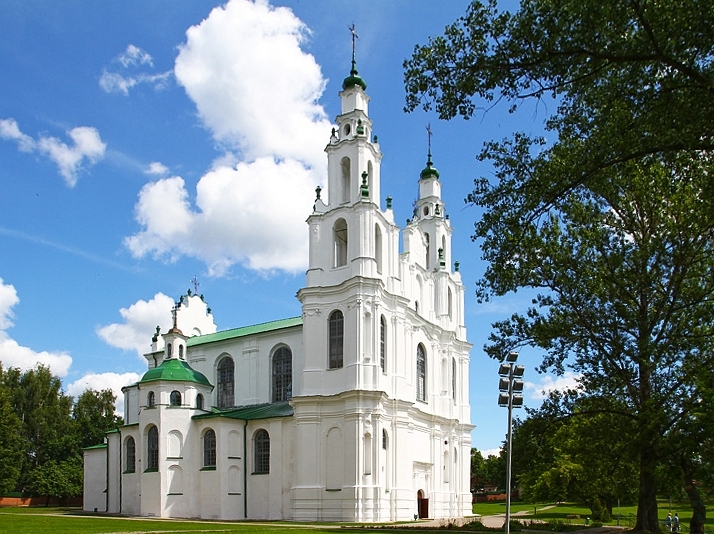
⛪St. Sophia Cathedral, Polotsk
One of the oldest churches in Eastern Europe, built in the 11th century.
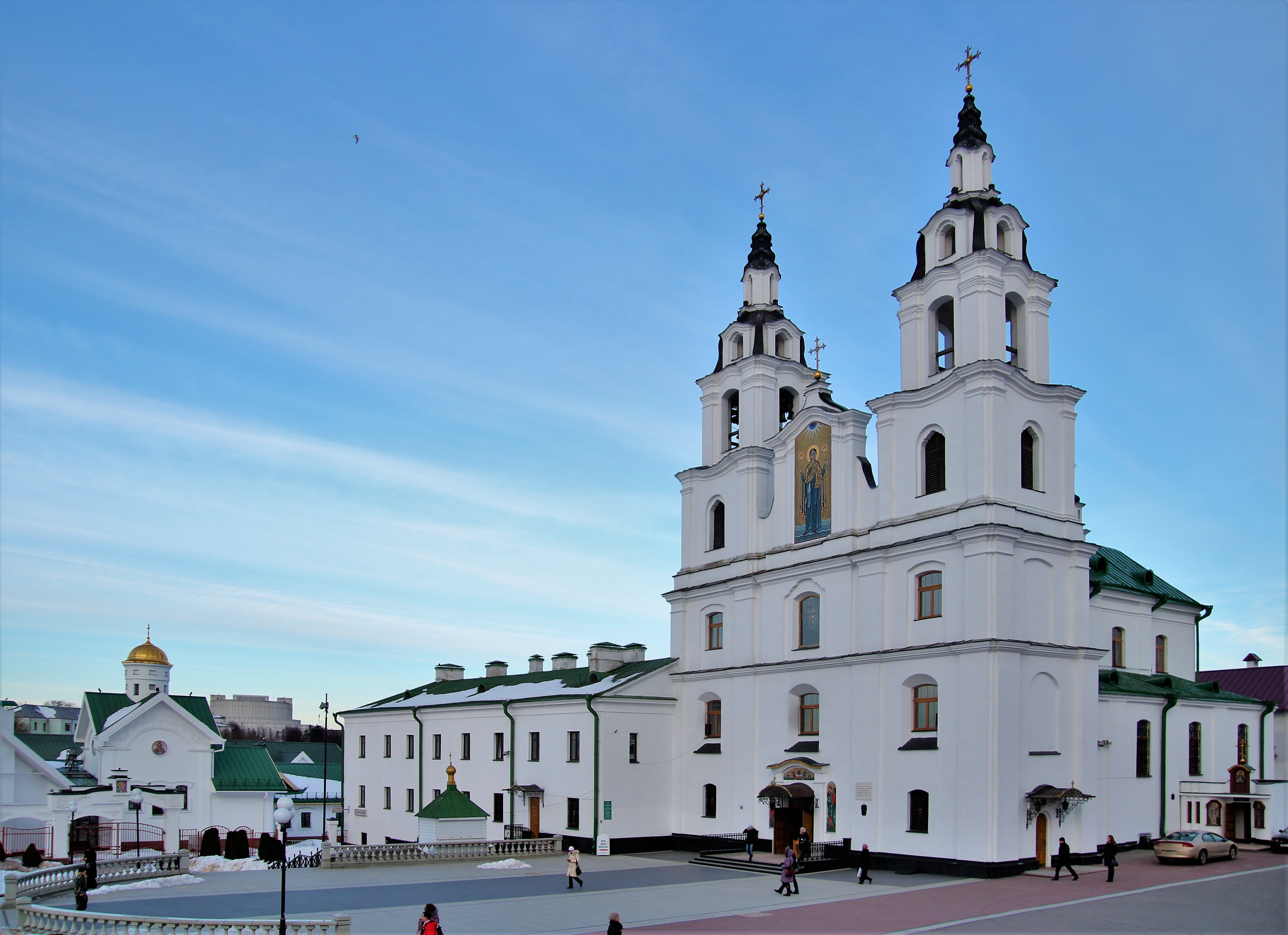
⛪Holy Spirit Cathedral, Minsk
The main Orthodox cathedral of Minsk, housing a miraculous icon of the Virgin Mary.

⛪Vatican City (St. Peter's Basilica)
The spiritual center of Roman Catholicism and home of the Pope.
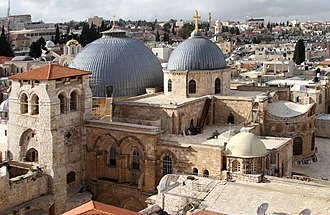
✝️Church of the Holy Sepulchre
The site where Jesus was crucified, buried, and resurrected.