
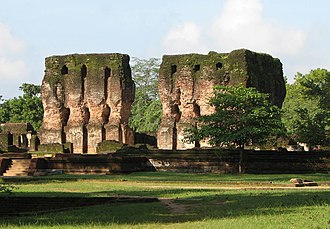
🗿 Polonnaruwa Ancient City
Sri Lanka
About This Sacred Site
Polonnaruwa succeeded Anuradhapura as the capital of Sri Lanka in the 11th century and flourished as a Buddhist cultural center. The ancient city's most celebrated feature is the Gal Vihara — a group of four sublime Buddha figures carved from a single granite wall, considered among the finest examples of Sri Lankan rock sculpture. King Parakramabahu I transformed the city into a magnificent capital with elaborate palace complexes, vast irrigation reservoirs, and ornate Buddhist monuments. The Parakrama Samudra, an ancient reservoir he built, covers 2,500 hectares and still irrigates the region today.
Spiritual Significance
The ancient city, serving as Sri Lanka's capital from the 11th to 13th centuries, contains the Gal Vihara—four Buddha statues carved from a single granite rock representing key meditative postures illustrating the dhyana and bhumisparsha mudras as taught in the Abhidharma texts. Pilgrims engage in contemplation and meditation at these figures, aligning with the Theravada doctrine emphasized during King Parakramabahu I's reign, who commissioned extensive irrigation works like the Parakrama Samudra to support monastic agriculture and ritual purity. The site hosts ceremonies during the full moon days, including chanting of the Dhammapada and offerings of lotus flowers at the Vatadage, a circular relic house unique to the Polonnaruwa period. The city's layout, featuring temples like Lankatilaka and Rankoth Vehera, reflects a continuation of ancient Buddhist cosmology and monastic organization, influencing pilgrim practices focused on mindfulness and merit-making in the medieval Sinhalese kingdom.
Key Facts
- •The Gal Vihara features four magnificent Buddha figures carved from a single granite wall
- •Served as Sri Lanka's capital from the 11th to 13th centuries
- •The Parakrama Samudra reservoir covers 2,500 hectares and remains in use today
- •King Parakramabahu I's palace was said to have had 1,000 rooms on seven stories
- •UNESCO World Heritage Site since 1982
Location
Coordinates: 7.9403, 81.0188
Frequently Asked Questions
What religion is Polonnaruwa Ancient City associated with?▾
Polonnaruwa Ancient City is a Buddhism holy site located in Sri Lanka. It was established c. 11th century CE and is ranked #138 in our global directory of sacred sites.
When was Polonnaruwa Ancient City established?▾
Polonnaruwa Ancient City dates back to c. 11th century CE. The Gal Vihara features four magnificent Buddha figures carved from a single granite wall
How many people visit Polonnaruwa Ancient City each year?▾
Polonnaruwa Ancient City receives approximately 800,000+ visitors per year. Served as Sri Lanka's capital from the 11th to 13th centuries
What is Polonnaruwa Ancient City known for?▾
The second ancient capital of Sri Lanka with stunning stone-carved Buddha figures. Visitors come seeking spiritual enlightenment, meditation, peace, ancestral connection. The Parakrama Samudra reservoir covers 2,500 hectares and remains in use today
Related Holy Sites
Sacred places connected by country, religion, and purpose
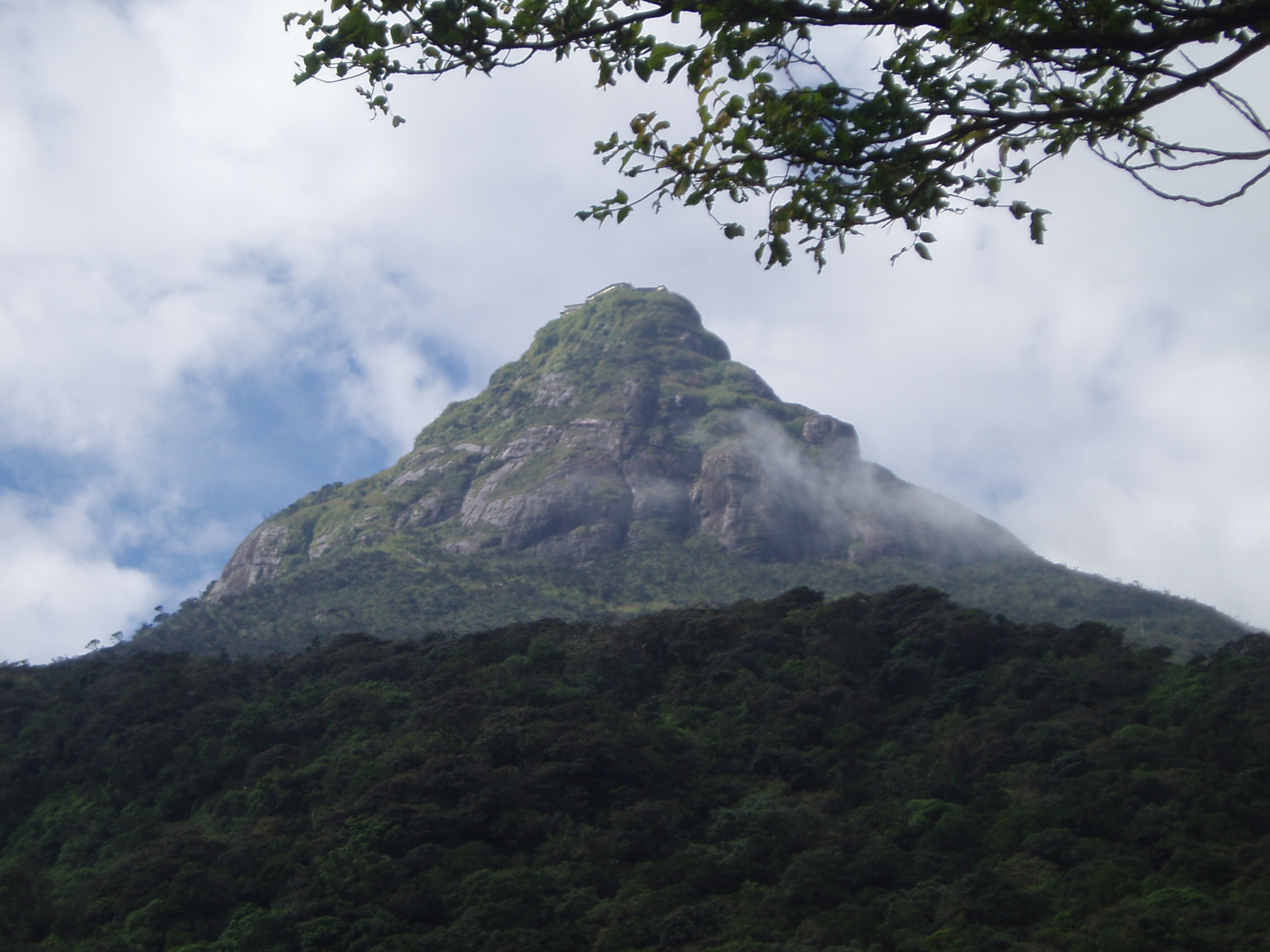
👣Sri Pada (Adam's Peak)
A sacred mountain with a footprint revered by four different religions.
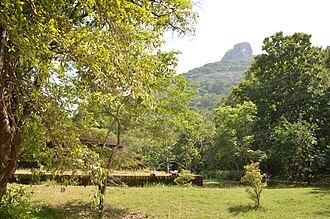
🌳Anuradhapura Sacred City
Sri Lanka's first ancient capital, home to the world's oldest known tree planted by humans.
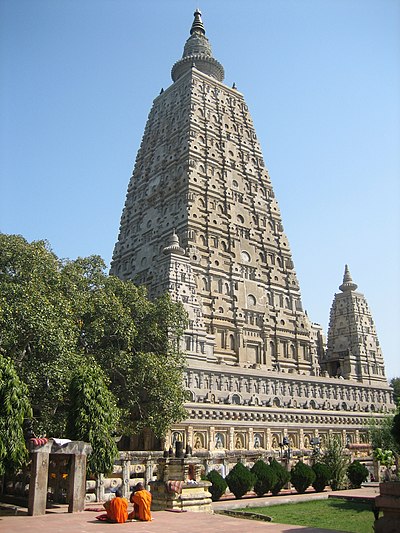
☸️Bodh Gaya (Mahabodhi Temple)
Where Siddhartha Gautama attained enlightenment and became the Buddha.
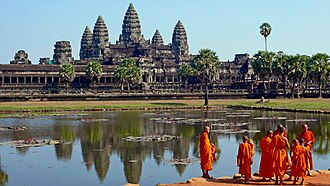
🛕Angkor Wat
The largest religious monument in the world, originally Hindu then Buddhist.
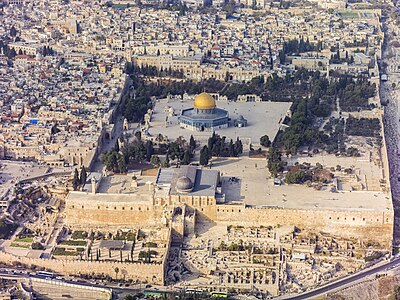
🕌Temple Mount / Al-Aqsa (Jerusalem)
Sacred to Judaism, Christianity, and Islam — the most contested holy site on Earth.
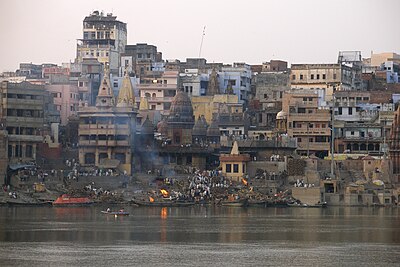
🙏Varanasi (Kashi Vishwanath Temple)
The holiest city in Hinduism, where the Ganges River purifies the soul.

