⛰️ Piton Sacred Sites
Saint Lucia
About This Sacred Site
The Pitons — Gros Piton and Petit Piton — are twin volcanic spires rising dramatically from the sea on Saint Lucia's southwest coast. Part of the UNESCO-listed Pitons Management Area, these peaks were held sacred by the island's indigenous Arawak and Carib peoples, who considered them dwelling places of spirits. Archaeological evidence of Amerindian settlements and ritual sites has been found in the surrounding area. The Pitons continue to hold spiritual significance as symbols of Saint Lucia's natural and cultural heritage.
History & Origins
The Pitons, comprising Gros Piton and Petit Piton, are twin volcanic spires rising sharply from Saint Lucia’s southwest coast and have been sacred to the island’s indigenous peoples since the pre-Columbian era. These geological formations were central to the religious and cultural practices of the Arawak and later the Carib peoples, who considered the Pitons to be dwelling places of deities or ancestral spirits. Over centuries, the Pitons have maintained spiritual significance, even as European colonization introduced Christianity to the island. Today, as a UNESCO World Heritage Site, the Pitons symbolize not only natural beauty but also the enduring legacy of indigenous spirituality and cultural identity on Saint Lucia.
Spiritual Significance
The Piton Sacred Sites, comprising Gros Piton at 770 meters and Petit Piton at 743 meters, are volcanic plugs considered sacred by Saint Lucia’s pre-Columbian Arawak and Carib peoples. These mountains form a UNESCO World Heritage Site inscribed in 2004, recognized for both natural and cultural significance. Indigenous rituals included offerings and prayers to mountain spirits believed to inhabit the peaks, central to animist cosmology documented in oral traditions. Annual pilgrimages ascend Gros Piton during the dry season, involving chants in indigenous languages and the use of native plants for purification rites. The sites represent a spiritual axis connecting earth and sky, with Carib shamans historically conducting ceremonies invoking protection and fertility. Contemporary cultural festivals incorporate these ancient practices, preserving indigenous heritage within the island’s predominantly Christian context.
Key Facts
- •Gros Piton (770m) and Petit Piton (743m) are volcanic plugs
- •Inscribed as a UNESCO World Heritage Site in 2004
- •Sacred to the island's pre-Columbian Arawak and Carib inhabitants
- •Archaeological evidence of Amerindian ritual sites surrounds the Pitons
- •The area includes sulphur springs considered to have healing properties
Location
Coordinates: 13.8028, -61.0692
Frequently Asked Questions
What religion is Piton Sacred Sites associated with?▾
Piton Sacred Sites is a Indigenous holy site located in Saint Lucia. It was established Pre-Columbian era and is ranked #570 in our global directory of sacred sites.
When was Piton Sacred Sites established?▾
Piton Sacred Sites dates back to Pre-Columbian era. Gros Piton (770m) and Petit Piton (743m) are volcanic plugs
How many people visit Piton Sacred Sites each year?▾
Piton Sacred Sites receives approximately 200,000+ visitors per year. Inscribed as a UNESCO World Heritage Site in 2004
What is Piton Sacred Sites known for?▾
UNESCO-listed volcanic peaks on Saint Lucia, held sacred by the island's indigenous Arawak and Carib peoples. Visitors come seeking spiritual enlightenment, protection, ancestral connection. Sacred to the island's pre-Columbian Arawak and Carib inhabitants
Related Holy Sites
Sacred places connected by country, religion, and purpose
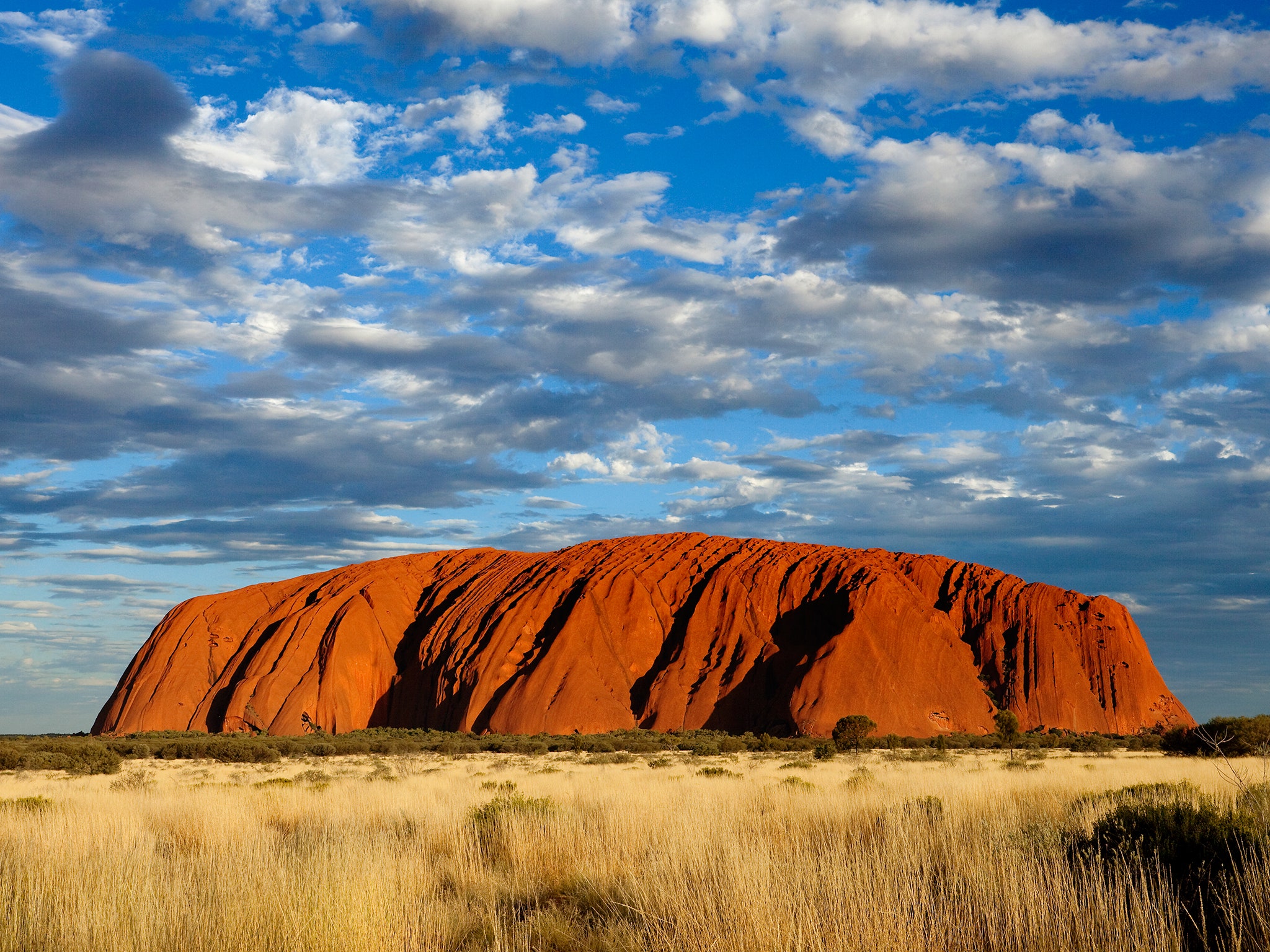
🪨Uluru (Ayers Rock)
A sacred monolith central to Aboriginal Australian creation stories.
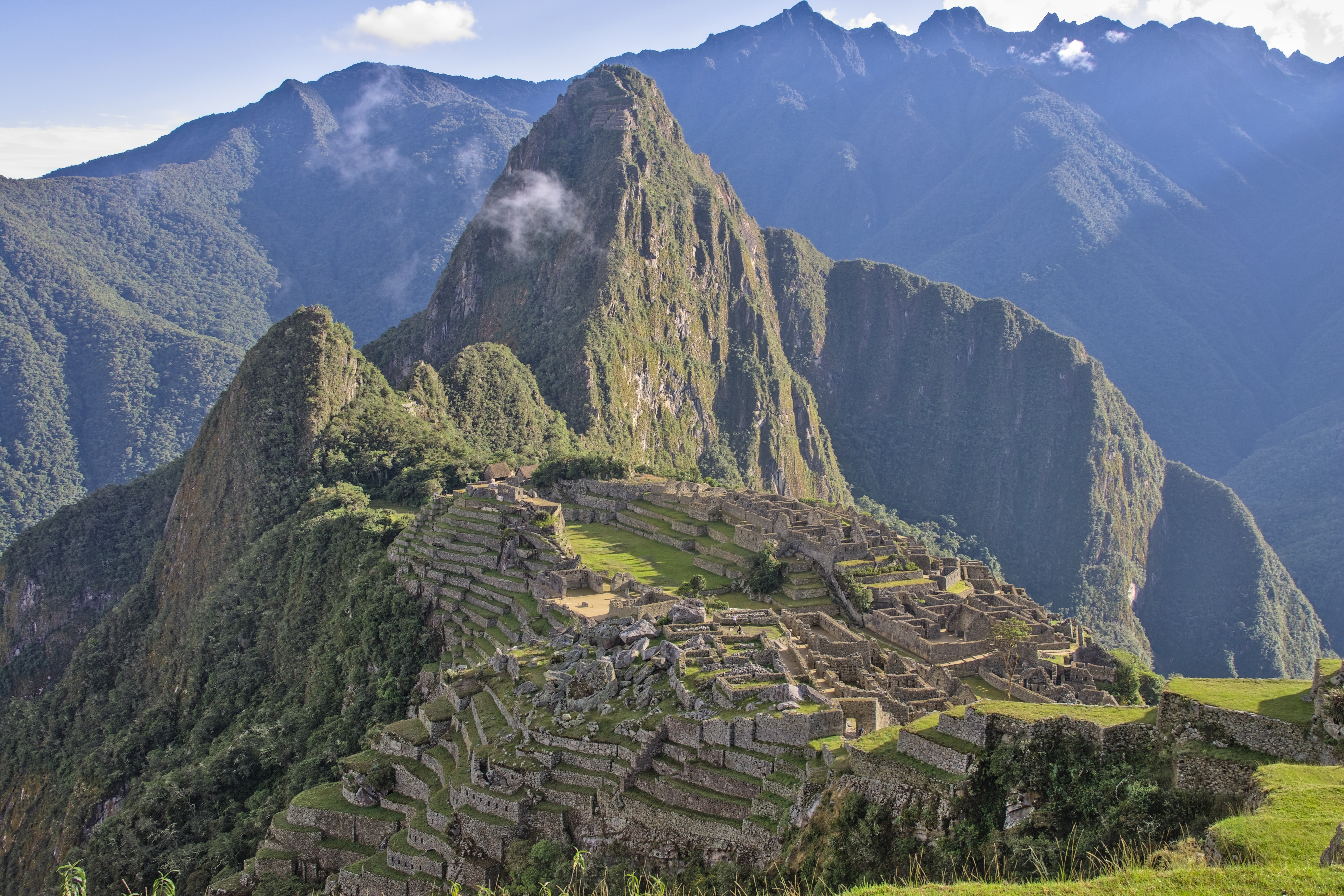
🏔️Machu Picchu
A sacred Inca citadel set high in the Andes, aligned with astronomical events.

🕌Temple Mount / Al-Aqsa (Jerusalem)
Sacred to Judaism, Christianity, and Islam — the most contested holy site on Earth.
🙏Varanasi (Kashi Vishwanath Temple)
The holiest city in Hinduism, where the Ganges River purifies the soul.