⛪ Pirita Convent Ruins
Estonia
About This Sacred Site
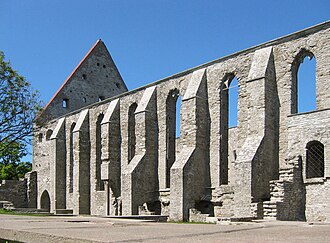
The Pirita Convent Ruins near Tallinn, Estonia, are the remains of the Bridgettine monastery founded in 1407. Once the largest convent in the Baltic region, it was destroyed during the Livonian War in the 16th century. The site’s Gothic ruins, including the church and cloister walls, evoke the spiritual and cultural life of medieval Estonia and serve as a venue for cultural events and pilgrimages.
History & Origins
Established in 1407, the convent was founded as a Bridgettine double monastery, intended for both nuns and monks, under the patronage of the Livonian Order. Its Gothic-style stone structures were built on the banks of the Pirita River, about 7 kilometers from Tallinn’s city center. The complex included a church, cloisters, residential quarters, and a fortified wall. In 1577, during the Livonian War, the convent was attacked and destroyed by forces led by Ivan the Terrible, resulting in extensive damage and abandonment of the monastery. The surviving gable wall of the church remains a notable architectural remnant, showcasing the pointed arches and ribbed vaulting typical of late medieval ecclesiastical design. Excavations and partial reconstructions began in the 20th century, turning the ruins into a historical site open to the public. The site lies within a forested area and is managed as a cultural heritage site by Estonia’s National Heritage Board.
Spiritual Significance
The site originally functioned as a center for Bridgettine monastic life, emphasizing contemplative prayer and the Rule of Saint Bridget, which required devotion to the Passion of Christ and the Virgin Mary. The convent hosted pilgrimages during the medieval period, particularly on the Feast of Saint Bridget on July 23, when relics and devotional images were venerated. Its dual-gender monastic structure allowed for unique liturgical practices, including the chanting of the Divine Office by both monks and nuns. Though now in ruins, the site remains a place of quiet reflection and occasional ecumenical prayer services held on the summer solstice, drawing pilgrims interested in medieval spirituality and monasticism. The ruins symbolize the endurance of Christian faith through conflict, referencing Psalm 46: "God is our refuge and strength." The monastery's dedication to Bridget of Sweden has inspired modern Christian retreats focusing on mysticism and monastic disciplines.
Key Facts
- •Founded in 1407 as a Bridgettine double monastery for both nuns and monks
- •Destroyed in 1577 during the Livonian War by forces of Ivan the Terrible
- •The surviving gable wall of the church rises 35 meters and is visible from across Tallinn Bay
- •A new Bridgettine convent was established beside the ruins in 2001
- •The ruins serve as an atmospheric venue for concerts and events during summer
Location
Coordinates: 59.4672, 24.8318
Frequently Asked Questions
What religion is Pirita Convent Ruins associated with?▾
Pirita Convent Ruins is a Christianity holy site located in Estonia. It was established 1407 and is ranked #663 in our global directory of sacred sites.
When was Pirita Convent Ruins established?▾
Pirita Convent Ruins dates back to 1407. Founded in 1407 as a Bridgettine double monastery for both nuns and monks
How many people visit Pirita Convent Ruins each year?▾
Pirita Convent Ruins receives approximately 100,000 visitors per year. Destroyed in 1577 during the Livonian War by forces of Ivan the Terrible
What is Pirita Convent Ruins known for?▾
The atmospheric ruins of a 15th-century Bridgettine convent, the largest medieval building in Tallinn. Visitors come seeking peace, meditation, ancestral connection, spiritual enlightenment. The surviving gable wall of the church rises 35 meters and is visible from across Tallinn Bay
Related Holy Sites
Sacred places connected by country, religion, and purpose

⛪Vatican City (St. Peter's Basilica)
The spiritual center of Roman Catholicism and home of the Pope.
✝️Church of the Holy Sepulchre
The site where Jesus was crucified, buried, and resurrected.