🙏 Pashupatinath Temple
Nepal
About This Sacred Site
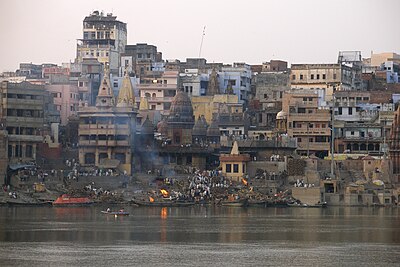
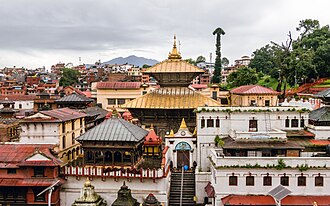
Pashupatinath Temple on the banks of the Bagmati River in Kathmandu is the most sacred Hindu temple in Nepal and one of the most important Shiva temples in the world. The pagoda-style temple with its gilded roof and silver doors is the seat of Nepal's national deity, Lord Pashupatinath (a form of Shiva as 'Lord of the Animals'). The temple complex extends across both banks of the Bagmati River and includes cremation ghats where Hindu funeral rites are performed openly, similar to Varanasi. Only Hindus may enter the main temple; non-Hindus can observe from across the river.
History & Origins
Pashupatinath Temple, situated on the banks of Kathmandu’s Bagmati River, is the oldest and most sacred Shiva temple in Nepal, with the current structure dating from the 5th century CE. The site has been a pivotal Hindu pilgrimage destination for centuries, especially during the Maha Shivaratri festival. The temple complex showcases pagoda-style architecture with gilded roofs and silver doors. It survived multiple earthquakes and underwent restorations, preserving its spiritual prominence. Pashupatinath is also central to Nepali cultural life, serving as a site for cremation rituals, religious education, and festivals honoring Lord Shiva.
Spiritual Significance
Pashupatinath Temple, dedicated to Lord Shiva in his form as Pashupati, is Nepal's most sacred Hindu shrine and a site of immense theological importance within Shaivism. The temple complex, dating to the 5th century CE in its current structure, is the focal point of the Maha Shivaratri festival, attracting hundreds of thousands of pilgrims who fast, chant Shiva mantras, and perform ritual bathing in the adjacent Bagmati River, believed to purify sins. Only Hindus are permitted entry into the main temple compound, preserving its sanctity as prescribed in Hindu dharma texts like the Shiva Purana. The Bagmati River ghats serve as cremation grounds where funeral rites are conducted according to Vedic rituals, enabling moksha (liberation) for the deceased as per Hindu eschatology. Daily rituals include the morning and evening abhisheka, where priests pour milk, honey, and water over the Shiva lingam while reciting the Rudram hymn from the Yajurveda. The temple's architecture incorporates pagoda-style roofs and ornate silver doors, symbolizing the divine abode of Shiva. Pashupatinath is also a key pilgrimage site on the Char Dham circuit in Nepal, intertwining regional religious identity with broader Hindu sacred geography.
Key Facts
- •The most sacred Hindu temple in Nepal, dedicated to Lord Shiva as Pashupati
- •Only Hindus are permitted to enter the main temple compound
- •The Bagmati River ghats are used for Hindu cremation ceremonies
- •The temple complex covers 246 hectares with hundreds of smaller shrines
- •UNESCO World Heritage Site since 1979
Location
Coordinates: 27.7104, 85.3487
Frequently Asked Questions
What religion is Pashupatinath Temple associated with?▾
Pashupatinath Temple is a Hinduism holy site located in Nepal. It was established c. 5th century CE (current structure) and is ranked #129 in our global directory of sacred sites.
When was Pashupatinath Temple established?▾
Pashupatinath Temple dates back to c. 5th century CE (current structure). The most sacred Hindu temple in Nepal, dedicated to Lord Shiva as Pashupati
How many people visit Pashupatinath Temple each year?▾
Pashupatinath Temple receives approximately 1+ million visitors per year. Only Hindus are permitted to enter the main temple compound
What is Pashupatinath Temple known for?▾
Nepal's holiest Hindu temple, dedicated to Lord Shiva on the banks of the Bagmati River. Visitors come seeking salvation, purification, pilgrimage, healing. The Bagmati River ghats are used for Hindu cremation ceremonies
Related Holy Sites
Sacred places connected by country, religion, and purpose