🙏 Basilica of St. Anthony, Padua
Italy
About This Sacred Site
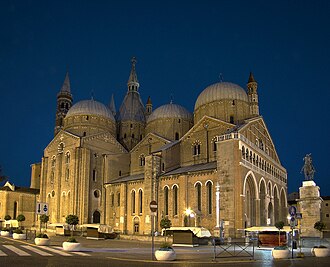
The Pontifical Basilica of St. Anthony of Padua, known simply as Il Santo, is one of the world's most visited pilgrimage churches. It houses the relics of St. Anthony (1195-1231), the Portuguese-born Franciscan friar who is one of the most popular saints in the Catholic world, invoked as the patron saint of lost things. The basilica blends Romanesque, Gothic, and Byzantine architectural elements. Pilgrims flock to touch St. Anthony's tomb and venerate his incorrupt tongue and vocal cords, displayed in the Relics Chapel as testimony to his extraordinary preaching.
History & Origins
The Basilica of St. Anthony of Padua was founded in 1232 shortly after the saint's death, built to house his relics and become a pilgrimage destination. Construction began under the Augustinian order, blending Romanesque and Gothic styles, with later Baroque additions. The basilica's architecture includes five domes and numerous chapels adorned with frescoes and sculptures by renowned artists. It became a major spiritual center in Northern Italy, drawing pilgrims seeking miracles attributed to St. Anthony. The basilica also holds important relics, including the saint's tongue and jawbone, preserved as objects of veneration.
Spiritual Significance
The Basilica of St. Anthony in Padua, founded in 1232, is a major pilgrimage destination with over 6.5 million visitors annually, drawn by devotion to St. Anthony of Padua, a 13th-century Franciscan friar and Doctor of the Church known for his preaching and miracles. The basilica houses the incorrupt tongue and vocal cords of St. Anthony, preserved for nearly 800 years, reinforcing beliefs about his powerful intercession in prayer. Pilgrims often participate in the feast of St. Anthony on June 13, which includes processions, special masses, and the ritual blessing of bread, reflecting the saint's association with charity and miracles. The basilica contains the Chapel of the Relics where the saint's body parts are venerated, emphasizing Catholic doctrines of the communion of saints and bodily resurrection. The site also features frescoes and sculptures depicting episodes from the saint's life, reinforcing theological reflections on humility and the power of faith. The basilica's location in Veneto, Italy, has made it a spiritual hub connecting medieval Franciscan spirituality with contemporary Catholic worship practices.
Key Facts
- •Over 6.5 million pilgrims visit annually, making it one of the most visited churches in the world
- •St. Anthony's tongue and vocal cords remain incorrupt after nearly 800 years
- •The basilica houses works by Donatello, including the high altar and bronze crucfix
- •St. Anthony is the patron saint of lost things and is invoked worldwide
- •The Feast of St. Anthony on June 13 draws hundreds of thousands to Padua
Location
Coordinates: 45.4015, 11.8808
Frequently Asked Questions
What religion is Basilica of St. Anthony, Padua associated with?▾
Basilica of St. Anthony, Padua is a Christianity holy site located in Italy. It was established 1232 and is ranked #391 in our global directory of sacred sites.
When was Basilica of St. Anthony, Padua established?▾
Basilica of St. Anthony, Padua dates back to 1232. Over 6.5 million pilgrims visit annually, making it one of the most visited churches in the world
How many people visit Basilica of St. Anthony, Padua each year?▾
Basilica of St. Anthony, Padua receives approximately 6.5 million visitors per year. St. Anthony's tongue and vocal cords remain incorrupt after nearly 800 years
What is Basilica of St. Anthony, Padua known for?▾
One of the most visited pilgrimage sites in the world, housing the relics of St. Anthony of Padua. Visitors come seeking miracles, healing, blessings, guidance. The basilica houses works by Donatello, including the high altar and bronze crucfix
Related Holy Sites
Sacred places connected by country, religion, and purpose
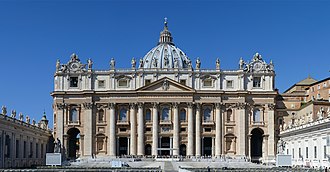
⛪Vatican City (St. Peter's Basilica)
The spiritual center of Roman Catholicism and home of the Pope.
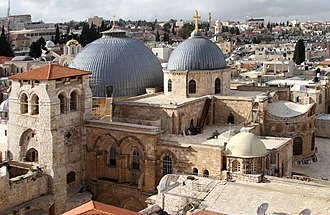
✝️Church of the Holy Sepulchre
The site where Jesus was crucified, buried, and resurrected.