⛪ Basilica of Our Lady (Maastricht)
Netherlands
About This Sacred Site
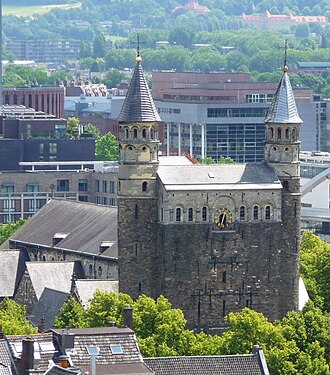
The Basilica of Our Lady (Onze Lieve Vrouwebasiliek) in Maastricht, Netherlands, is a monumental Romanesque church dating from around 1000 AD. Noted for its massive westwork towers and crypt, it is a pilgrimage site famous for the statue of Our Lady, Star of the Sea, believed to perform miracles. The basilica combines Romanesque solidity with Gothic modifications and houses exquisite medieval art, including a notable 13th-century rood screen and stained glass windows.
History & Origins
The Basilica of Our Lady was originally constructed in the early 11th century atop a Roman temple site, making it one of the oldest churches in the Netherlands. It became a major pilgrimage destination due to the venerated statue of Our Lady, which reportedly survived a devastating fire in 1205. The church underwent Gothic renovations between the 14th and 15th centuries, adding pointed arches and vaulting while retaining its Romanesque core. The crypt, dating to the 11th century, is one of the largest and best-preserved in the region, housing relics and serving as a place of veneration. Over centuries, the basilica has been a spiritual center, surviving wars and restorations, and was elevated to basilica status in 1906 by Pope Pius X, reflecting its religious importance.
Spiritual Significance
Dating to around 1000 CE, the fortified Romanesque westwork of the Basilica of Our Lady in Maastricht stands as a testament to medieval Christian fortification and worship. The chapel dedicated to Our Lady, Star of the Sea, is renowned for its dense display of candles and votive offerings, a practice rooted in Marian devotion and intercessory prayer traditions from the Middle Ages. The Virgin Mary statue, carved in the 14th century, is central to annual pilgrimages during the Feast of the Assumption on August 15, where processions invoke Mary's protection over the city and its inhabitants. The basilica's crypt houses relics believed to be from Saint Servatius, linking to early Christian martyr veneration and enhancing its theological significance as a pilgrimage destination. Liturgical rites incorporate Gregorian chant and readings from the Magnificat, emphasizing Mary's role in salvation history as reflected in Luke 1:46-55. The basilica also hosts ecumenical services promoting Christian unity in line with Vatican II directives.
Key Facts
- •The fortified Romanesque westwork dates to approximately 1000 CE
- •The chapel of Our Lady, Star of the Sea, is filled with candles and votive offerings
- •The statue of the Virgin is venerated for healing miracles and draws many pilgrims
- •Elevated to the status of basilica minor by the Vatican in 1933
- •The church's crypt is one of the oldest in the Netherlands
Location
Coordinates: 50.8440, 5.6865
Frequently Asked Questions
What religion is Basilica of Our Lady (Maastricht) associated with?▾
Basilica of Our Lady (Maastricht) is a Christianity holy site located in Netherlands. It was established c. 1000 and is ranked #449 in our global directory of sacred sites.
When was Basilica of Our Lady (Maastricht) established?▾
Basilica of Our Lady (Maastricht) dates back to c. 1000. The fortified Romanesque westwork dates to approximately 1000 CE
How many people visit Basilica of Our Lady (Maastricht) each year?▾
Basilica of Our Lady (Maastricht) receives approximately 300,000 visitors per year. The chapel of Our Lady, Star of the Sea, is filled with candles and votive offerings
What is Basilica of Our Lady (Maastricht) known for?▾
A Romanesque basilica in Maastricht venerating a miraculous statue of Our Lady, Star of the Sea. Visitors come seeking healing, miracles, pilgrimage, blessings. The statue of the Virgin is venerated for healing miracles and draws many pilgrims
Related Holy Sites
Sacred places connected by country, religion, and purpose
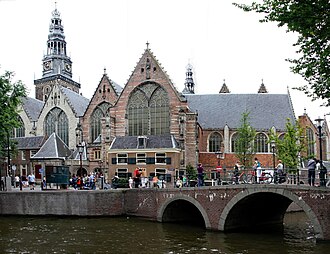
⛪Oude Kerk (Amsterdam)
Amsterdam's oldest building and parish church, a Gothic landmark in the heart of the Red Light District.
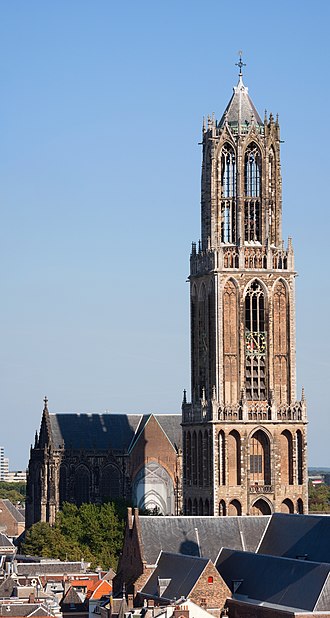
⛪Dom Tower (Utrecht)
The tallest church tower in the Netherlands, a Gothic landmark that once led the country's most important cathedral.
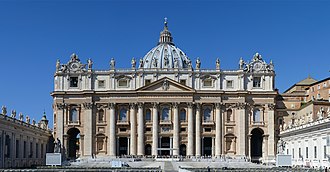
⛪Vatican City (St. Peter's Basilica)
The spiritual center of Roman Catholicism and home of the Pope.
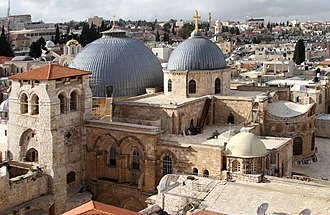
✝️Church of the Holy Sepulchre
The site where Jesus was crucified, buried, and resurrected.