⛪ Orheiul Vechi Cave Monastery
Moldova
About This Sacred Site
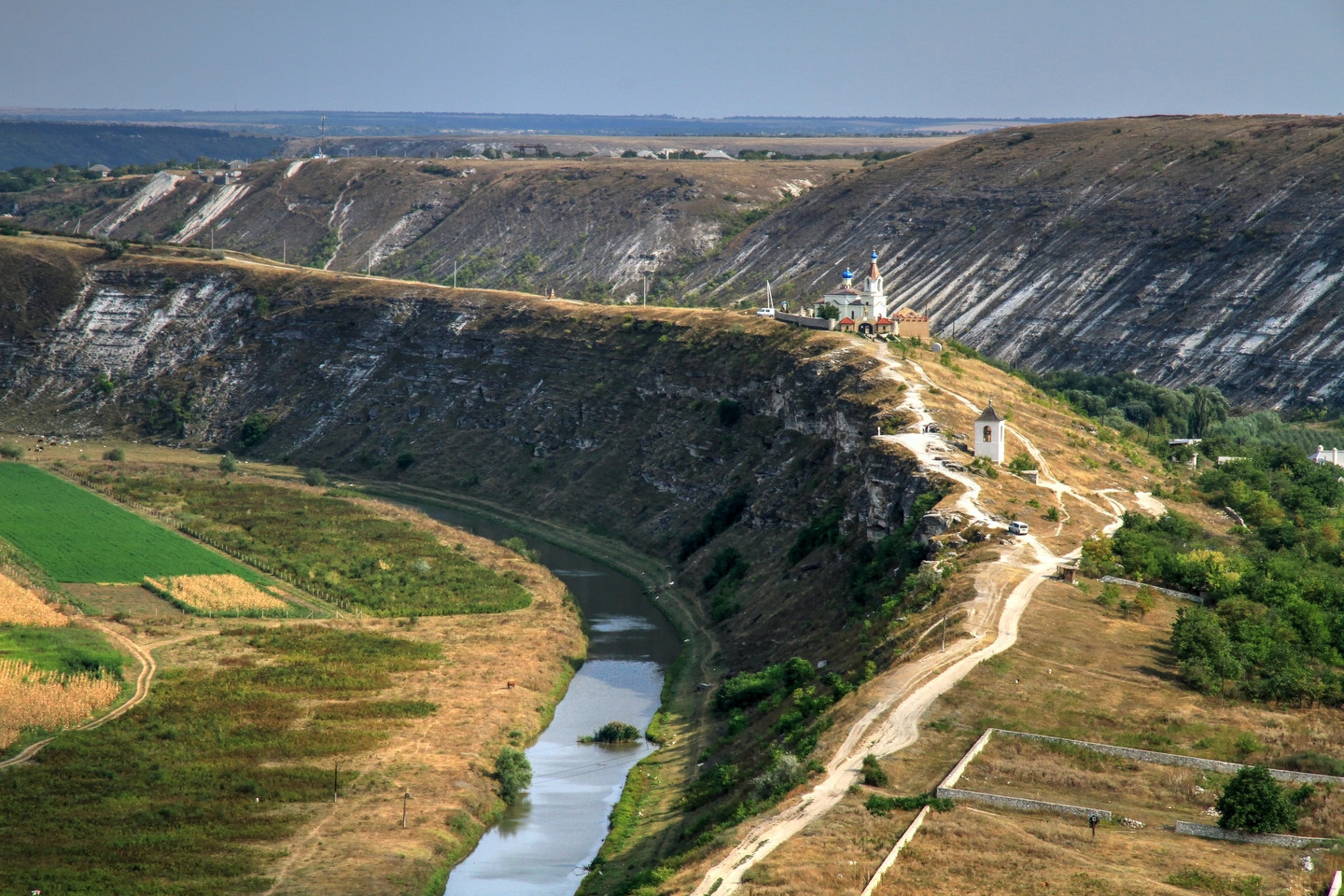
Orheiul Vechi Cave Monastery in Moldova is a remarkable religious site carved into limestone cliffs above the Răut River gorge. Established in the 13th century, the monastery complex includes caves, chapels, and cells used by Orthodox monks. Its remote and dramatic location enhances its spiritual ambiance, attracting pilgrims and tourists alike. The monastery is also part of a larger archaeological and historical reserve, reflecting Moldova's medieval religious traditions.
History & Origins
The Orheiul Vechi Cave Monastery, carved into limestone cliffs approximately 100 meters above the Răut River in Moldova, dates back to the 13th century, established during the era of the Moldavian Principality. The monastic complex was built by Orthodox monks seeking refuge and solitude, with archaeological layers revealing continuous habitation from the Paleolithic through medieval periods. The site underwent renovations in the 17th century under Moldavian rulers, including the addition of frescoes and structural reinforcements. It survived Ottoman incursions and later Soviet suppression, remaining active as a place of worship and pilgrimage. The monastery is part of a wider archaeological complex featuring fortifications and settlement remains, illustrating its historical significance as both a spiritual and defensive location.
Spiritual Significance
Orheiul Vechi Cave Monastery holds profound spiritual importance for Eastern Orthodox Christians in Moldova, serving as a site for ascetic monastic practices and pilgrimage since the 13th century. The monastery celebrates the feast of the Holy Trinity each year with liturgical services conducted in the cave church, following the Byzantine Rite. Pilgrims engage in prayer and fasting within the natural cave chapels, which are adorned with Orthodox iconography dating from various restoration periods. The site embodies the monastic ideal of withdrawal from worldly concerns, aligning with the teachings of Saint Basil the Great and Saint Anthony the Great on asceticism. The monastery also preserves manuscripts and relics, fostering theological study and veneration. Its elevated position above the Răut River symbolizes spiritual elevation and protection.
Key Facts
- •The cave monastery dates to the 13th century and remains active today
- •Carved into limestone cliffs 100 meters above the Răut River
- •The site contains archaeological layers spanning over 30,000 years
- •Nominated for UNESCO World Heritage status
- •A small bell tower built atop the cliff marks the monastery entrance
Location
Coordinates: 47.3017, 28.9711
Frequently Asked Questions
What religion is Orheiul Vechi Cave Monastery associated with?▾
Orheiul Vechi Cave Monastery is a Christianity holy site located in Moldova. It was established 13th century and is ranked #229 in our global directory of sacred sites.
When was Orheiul Vechi Cave Monastery established?▾
Orheiul Vechi Cave Monastery dates back to 13th century. The cave monastery dates to the 13th century and remains active today
How many people visit Orheiul Vechi Cave Monastery each year?▾
Orheiul Vechi Cave Monastery receives approximately 100,000 visitors per year. Carved into limestone cliffs 100 meters above the Răut River
What is Orheiul Vechi Cave Monastery known for?▾
A dramatic cave monastery carved into limestone cliffs above the Răut River, Moldova's most iconic site. Visitors come seeking meditation, spiritual enlightenment, purification. The site contains archaeological layers spanning over 30,000 years
Related Holy Sites
Sacred places connected by country, religion, and purpose
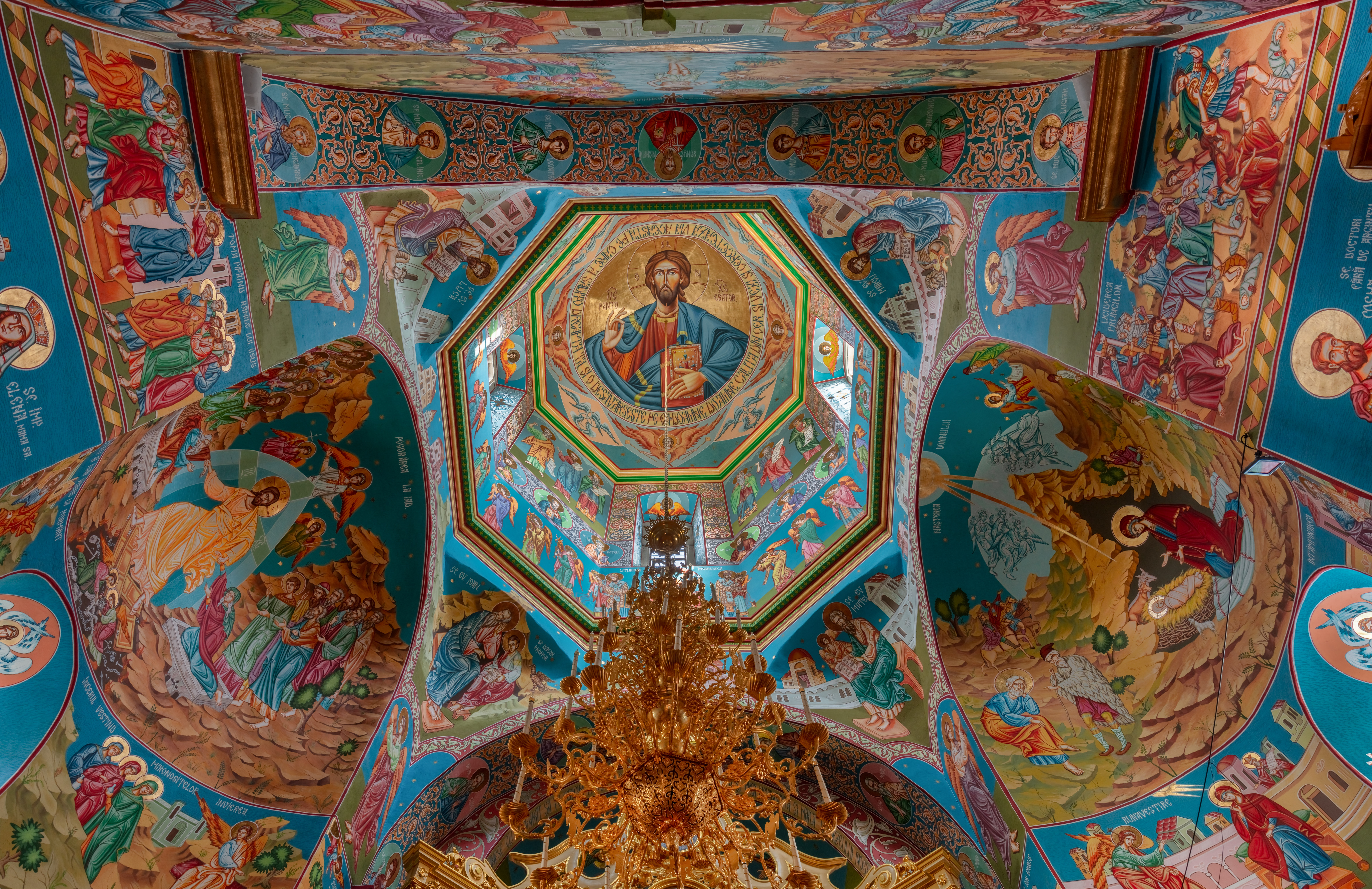
🙏Căpriana Monastery
One of the oldest monasteries in Moldova, set in a forested nature reserve.

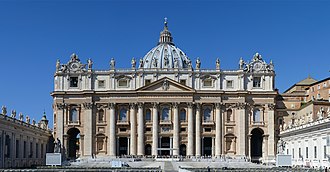
⛪Vatican City (St. Peter's Basilica)
The spiritual center of Roman Catholicism and home of the Pope.
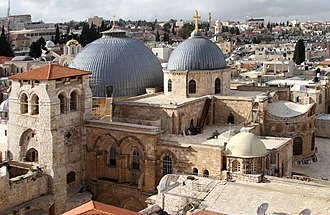
✝️Church of the Holy Sepulchre
The site where Jesus was crucified, buried, and resurrected.