🙏 Căpriana Monastery
Moldova
About This Sacred Site
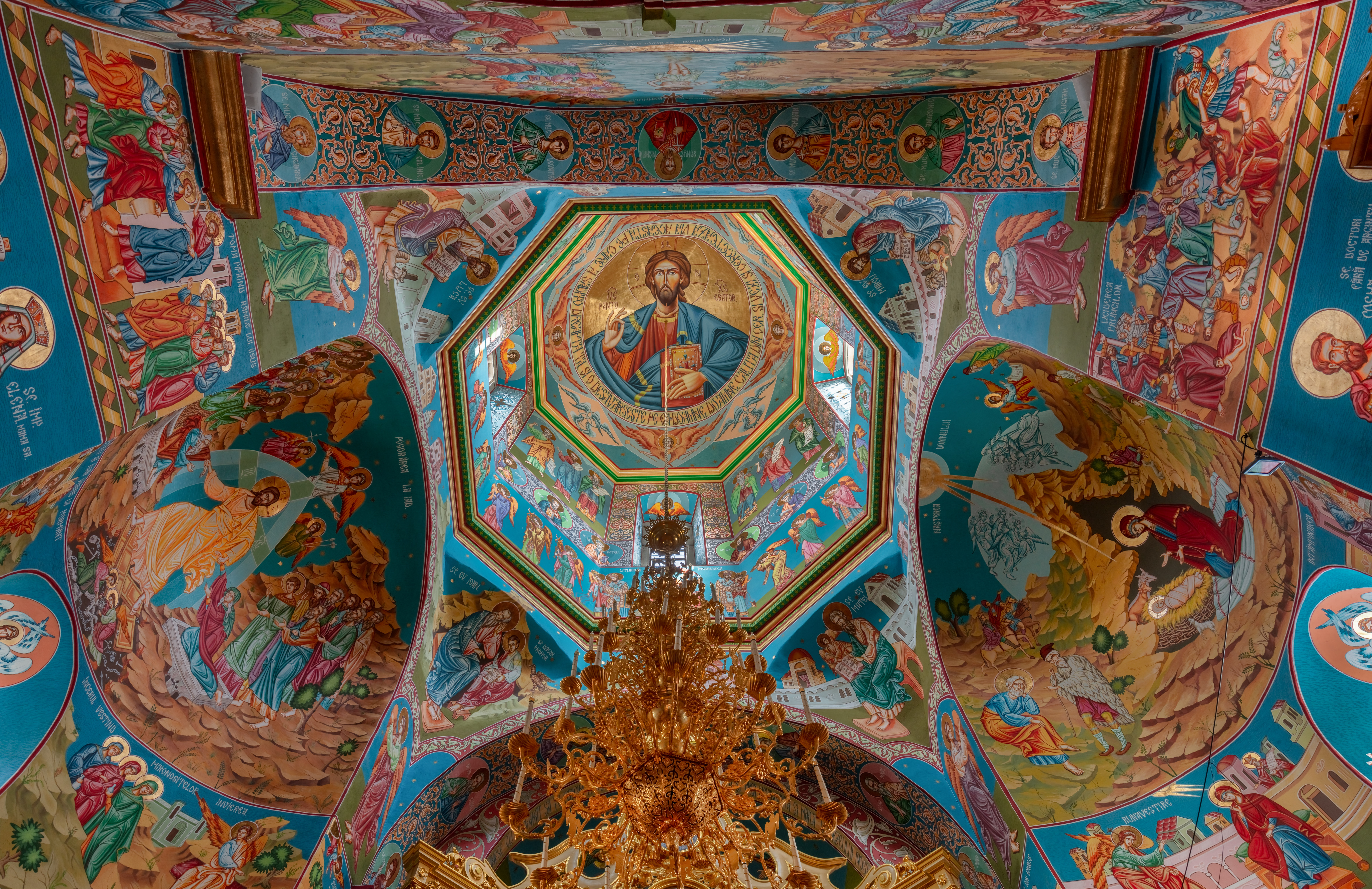
Căpriana Monastery is one of the oldest and most important Orthodox monasteries in Moldova, first documented in 1429. Set in the Codrii nature reserve, surrounded by ancient forest, the monastery has served as a center of spiritual and cultural life for centuries. It was closed during the Soviet period and used for various secular purposes, but was reopened after independence. The complex includes the 15th-century Church of the Assumption, the 19th-century Church of St. George, and a winter church.
Spiritual Significance
Nestled within the Codrii forest reserve, the monastery has been a spiritual center since its earliest documentation in 1429, embodying Moldavian Orthodox monastic traditions. The monastery celebrates its patronal feast on the Dormition of the Theotokos, August 15 (Julian calendar), with liturgies that include the chanting of the Akathist Hymn and processions through the surrounding forest, symbolizing the connection between nature and divine grace. During the Soviet era, when the monastery was closed and repurposed as a children's camp, clandestine worship persisted among local believers, underscoring its role in sustaining Orthodox faith under persecution. Monks follow the Typikon, a monastic rule codified in Byzantine practice, emphasizing daily cycles of prayer such as the Hours and the Midnight Office. The site is known for its icon workshops, producing icons in the traditional Moldovan style, which pilgrims acquire as sacramentals.
Key Facts
- •First documented in 1429, likely founded earlier
- •Located in the Codrii, Moldova's central forest reserve
- •Closed during the Soviet era and used as a children's camp
- •Reopened as a functioning monastery after 1989
- •The Church of the Assumption dates to the 15th century
Location
Coordinates: 47.0500, 28.5400
Frequently Asked Questions
What religion is Căpriana Monastery associated with?▾
Căpriana Monastery is a Christianity holy site located in Moldova. It was established c. 1420 and is ranked #685 in our global directory of sacred sites.
When was Căpriana Monastery established?▾
Căpriana Monastery dates back to c. 1420. First documented in 1429, likely founded earlier
How many people visit Căpriana Monastery each year?▾
Căpriana Monastery receives approximately 80,000 visitors per year. Located in the Codrii, Moldova's central forest reserve
What is Căpriana Monastery known for?▾
One of the oldest monasteries in Moldova, set in a forested nature reserve. Visitors come seeking peace, meditation, pilgrimage. Closed during the Soviet era and used as a children's camp
Related Holy Sites
Sacred places connected by country, religion, and purpose

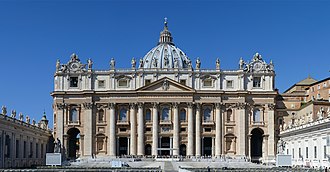
⛪Vatican City (St. Peter's Basilica)
The spiritual center of Roman Catholicism and home of the Pope.
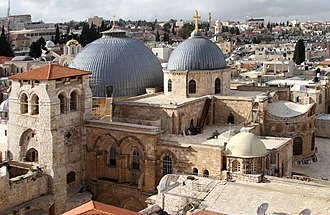
✝️Church of the Holy Sepulchre
The site where Jesus was crucified, buried, and resurrected.