
🦴 Olduvai Gorge
Tanzania
About This Sacred Site
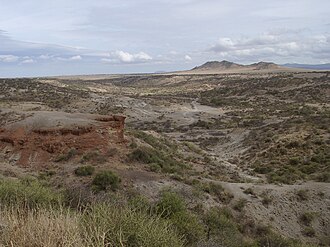
Located within the Great Rift Valley in northern Tanzania, Olduvai Gorge is a 48-kilometer-long steep-sided ravine carved by the Olduvai River. The site is renowned for its stratified layers of volcanic ash and sediment, which have preserved some of the earliest known hominid fossils dating back nearly 2 million years. Excavations by Louis and Mary Leakey from the 1930s to the 1960s uncovered fossils of Homo habilis and Paranthropus boisei, alongside primitive stone tools crafted from quartz and basalt. The gorge's sediment layers provide a detailed geological timeline illustrating early human evolution, with fossil beds situated at depths ranging from 10 to 50 meters below the surface.
History & Origins
Olduvai Gorge was first excavated in the 1930s by the Leakey family, whose discoveries revolutionized the study of human origins. The unearthing of Homo habilis fossils and primitive tools established Olduvai as a key site in paleoanthropology. Subsequent excavations revealed a sequence of hominid species and shifting ecosystems over two million years. The gorge’s findings contributed to debates on human evolution, migration, and tool use. Today, Olduvai is protected as a national monument and continues to attract scientists and tourists interested in humanity’s deep past and the origins of culture.
Spiritual Significance
Olduvai Gorge is revered in anthropological and indigenous spiritual contexts as a cradle of human origins. Some local Maasai communities regard the site as a place where the first ancestors emerged, incorporating it into their oral histories and rituals. Pilgrimage practices involve visits by elders to meditate and perform blessings at fossil sites, symbolizing a connection to the genesis of humanity. The site has inspired theological reflections on creation in both African traditional beliefs and broader religious discourses, emphasizing the sanctity of ancestral heritage. Annual commemorations honor the Leakeys’ discoveries, blending scientific reverence with cultural ceremonies that include offerings and storytelling about the dawn of humankind.
Key Facts
- •Home to some of the earliest known human ancestor fossils, nearly 2 million years old
- •Louis and Mary Leakey made groundbreaking discoveries here from the 1930s to 1960s
- •Located in the Ngorongoro Conservation Area, a UNESCO World Heritage Site
- •The name derives from the Maasai word 'oldupai' for the wild sisal plant
- •Contains stone tools representing the earliest known human technology
Location
Coordinates: -2.9947, 35.3503
Frequently Asked Questions
What religion is Olduvai Gorge associated with?▾
Olduvai Gorge is a Indigenous holy site located in Tanzania. It was established c. 2 million years ago and is ranked #644 in our global directory of sacred sites.
When was Olduvai Gorge established?▾
Olduvai Gorge dates back to c. 2 million years ago. Home to some of the earliest known human ancestor fossils, nearly 2 million years old
How many people visit Olduvai Gorge each year?▾
Olduvai Gorge receives approximately 100,000+ visitors per year. Louis and Mary Leakey made groundbreaking discoveries here from the 1930s to 1960s
What is Olduvai Gorge known for?▾
The 'Cradle of Mankind' in the Serengeti, where some of the oldest human ancestors were found. Visitors come seeking ancestral connection, spiritual enlightenment, guidance, meditation. Located in the Ngorongoro Conservation Area, a UNESCO World Heritage Site
Related Holy Sites
Sacred places connected by country, religion, and purpose
🏛️Bagamoyo
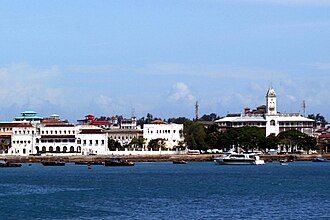
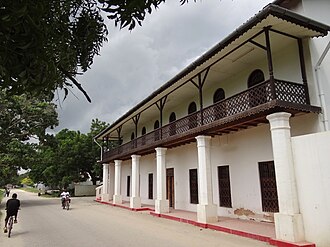
A historic Swahili coast town whose name means 'lay down your heart,' a center of spiritual reflection.
🪨Uluru (Ayers Rock)
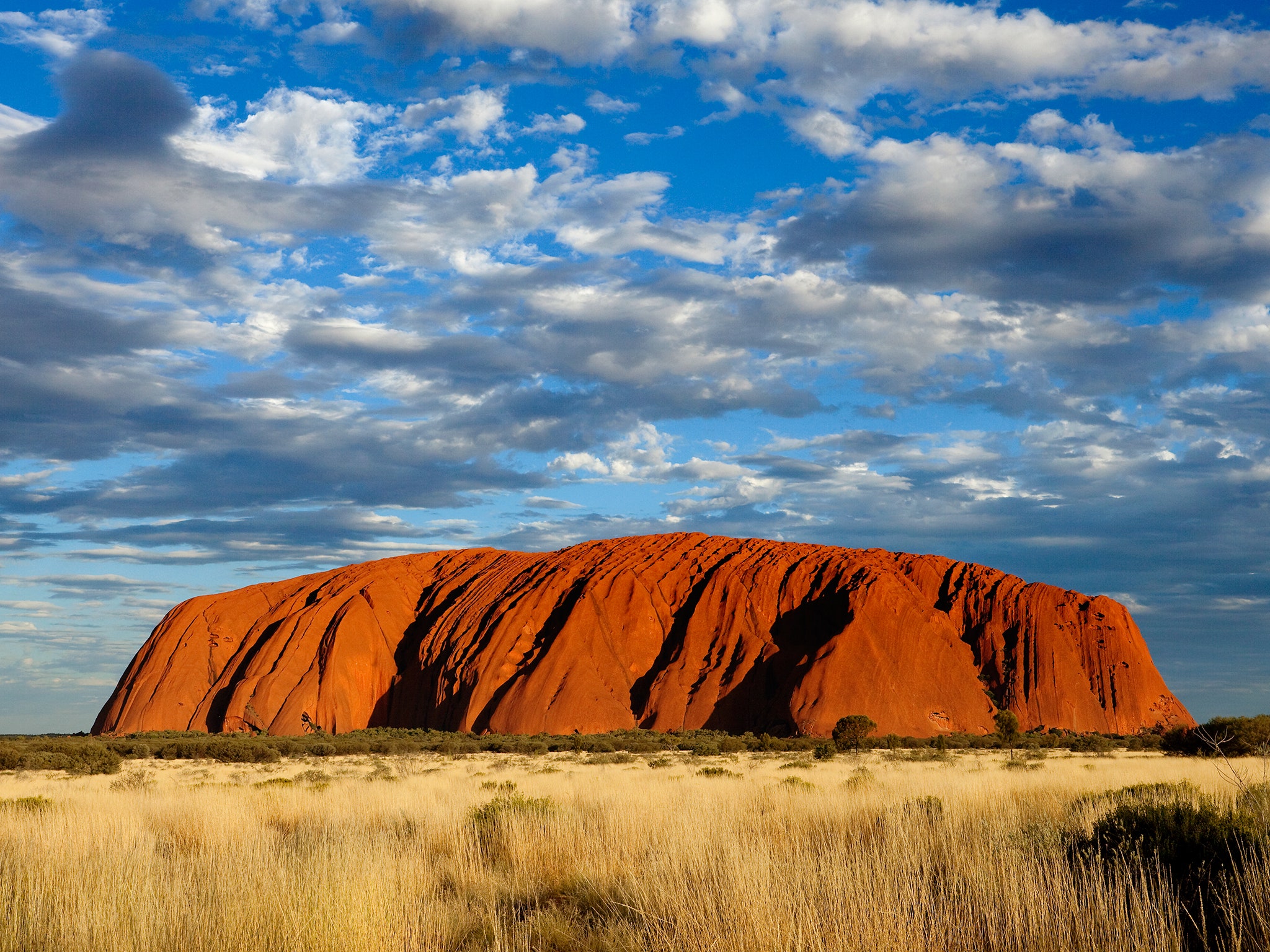
A sacred monolith central to Aboriginal Australian creation stories.
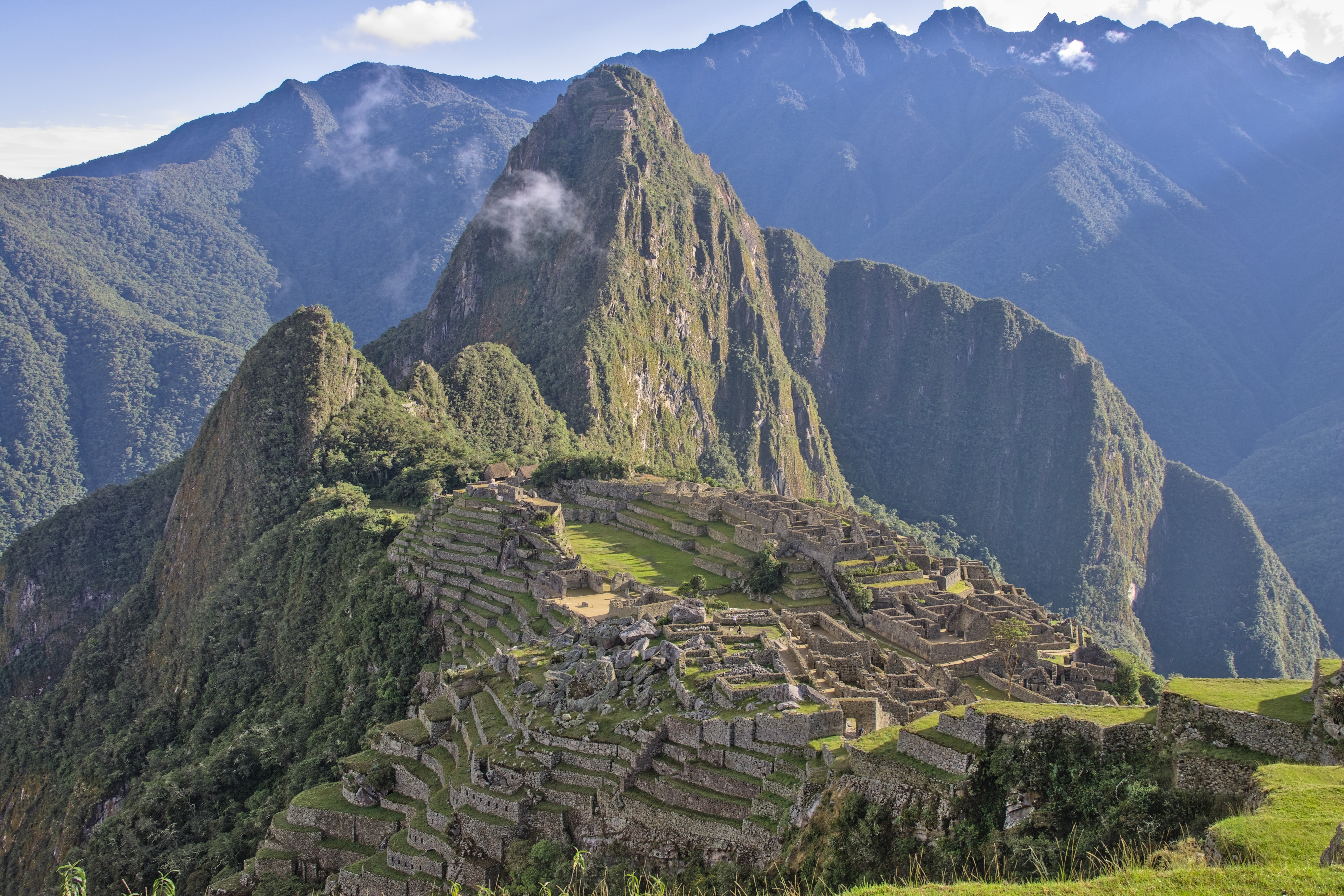
🏔️Machu Picchu
A sacred Inca citadel set high in the Andes, aligned with astronomical events.

⛪Vatican City (St. Peter's Basilica)
The spiritual center of Roman Catholicism and home of the Pope.
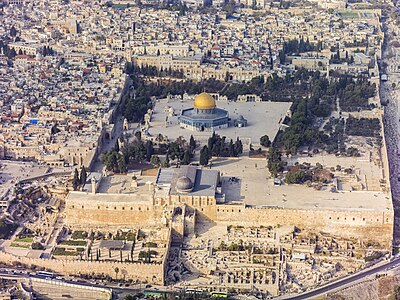
🕌Temple Mount / Al-Aqsa (Jerusalem)
Sacred to Judaism, Christianity, and Islam — the most contested holy site on Earth.

