🕌 N'Djamena Grand Mosque
Chad
About This Sacred Site
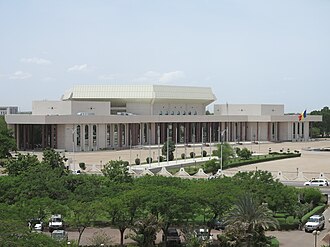
The Grand Mosque of N'Djamena is the principal Islamic house of worship in Chad's capital city. Chad sits at the crossroads of Arab North Africa and sub-Saharan Africa, and the mosque reflects this position as a meeting point of different Islamic traditions. The mosque serves as the center for Friday prayers, Ramadan celebrations, and Islamic education in the capital. Its construction reflects both Arab and Sahelian architectural influences, symbolizing Chad's unique position as a bridge between the Islamic traditions of North Africa and the diverse spiritual landscape of Central Africa.
History & Origins
The Grand Mosque of N'Djamena, constructed in the 1960s shortly after Chad's independence, stands as the principal Islamic place of worship in the capital. Chad's strategic position at the crossroads of North African and Sub-Saharan Islamic traditions is reflected in the mosque's architectural style, blending Sahelian and Arab influences. The mosque serves as a religious and community center, hosting daily prayers, Islamic festivals, and educational activities. Its establishment marked a significant moment in post-colonial nation-building, symbolizing the prominence of Islam in Chad’s cultural identity and religious life.
Spiritual Significance
Constructed in the 1960s during Chad's post-independence era, this mosque serves as the principal place of worship for approximately 52% of the capital's Muslim population, marking its central role in Islamic life. It hosts the Eid al-Fitr and Eid al-Adha prayers, drawing thousands of worshippers who perform the Salat al-Jama'ah, congregational prayers prescribed in the Quran (Surah Al-Baqarah 2:43). The mosque's architecture incorporates traditional Sahelian motifs with a prominent minaret rising roughly 30 meters, symbolizing the call to prayer (Adhan) that unites the community five times daily. The imam, often a graduate of Al-Azhar University, leads sermons based on Sunni Maliki jurisprudence, reflecting the dominant Islamic school in Chad. During Ramadan, special Tarawih prayers are conducted nightly, fostering communal spiritual growth and Quranic recitation. The mosque also functions as a center for Islamic education and social services, reinforcing its theological importance in sustaining faith practices and communal identity in N'Djamena.
Key Facts
- •The principal mosque of Chad's capital city
- •Chad's population is approximately 52% Muslim
- •Serves as the center for major Islamic celebrations and prayers
- •Architectural style blends Arab and Sahelian influences
- •N'Djamena's name derives from the Arabic for 'place of rest'
Location
Coordinates: 12.1131, 15.0494
Frequently Asked Questions
What religion is N'Djamena Grand Mosque associated with?▾
N'Djamena Grand Mosque is a Islam holy site located in Chad. It was established c. 1960s and is ranked #907 in our global directory of sacred sites.
When was N'Djamena Grand Mosque established?▾
N'Djamena Grand Mosque dates back to c. 1960s. The principal mosque of Chad's capital city
How many people visit N'Djamena Grand Mosque each year?▾
N'Djamena Grand Mosque receives approximately 100,000 visitors per year. Chad's population is approximately 52% Muslim
What is N'Djamena Grand Mosque known for?▾
Chad's principal mosque in the capital city, a center of Islamic life. Visitors come seeking pilgrimage, guidance, peace. Serves as the center for major Islamic celebrations and prayers
Related Holy Sites
Sacred places connected by country, religion, and purpose