
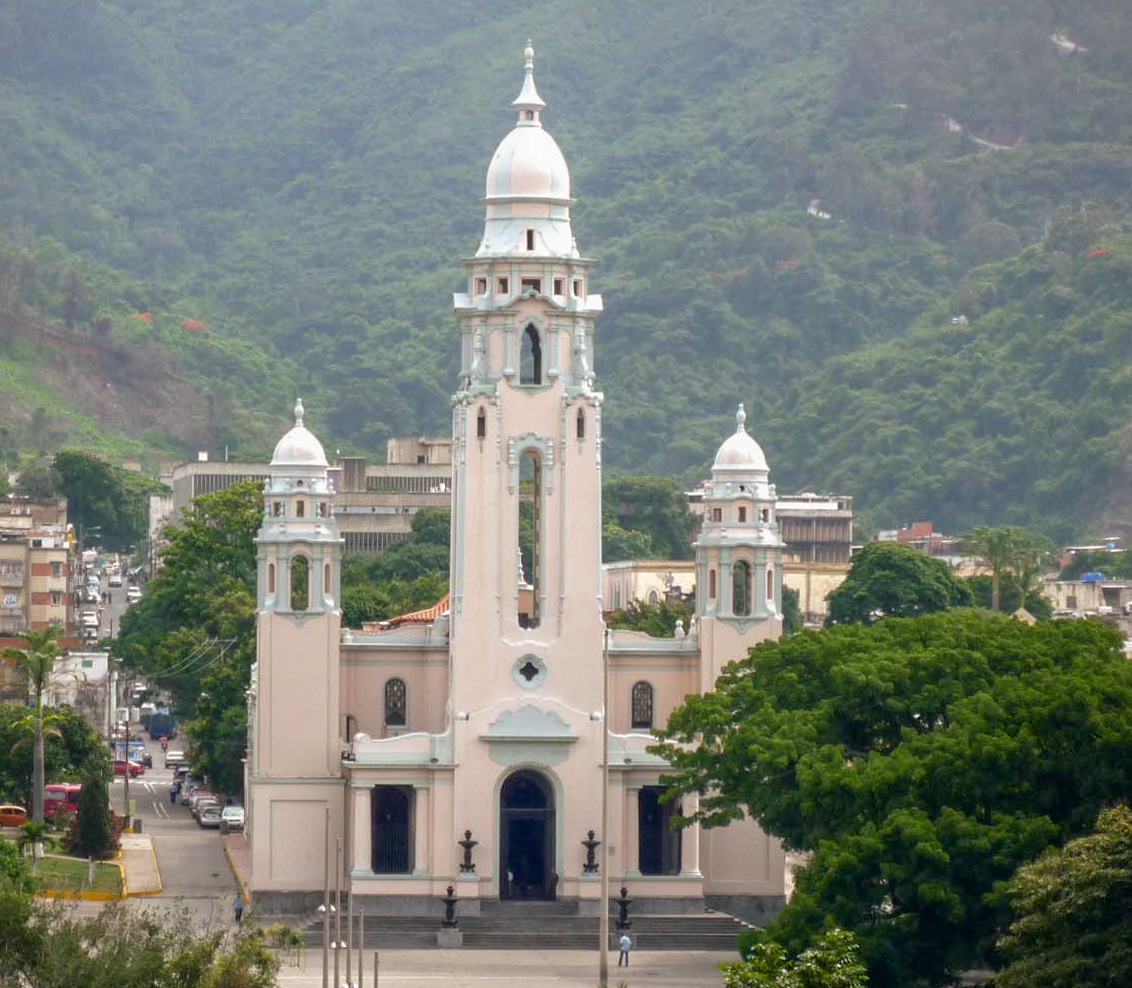
🏛️ National Pantheon of Venezuela Caracas
Venezuela
About This Sacred Site
The National Pantheon of Venezuela in Caracas occupies a former 18th-century church transformed into a sacred mausoleum for the nation’s heroes. Established in 1744 and repurposed in the 19th century, it holds the remains of key figures like Simón Bolívar. Architecturally, it combines baroque and neoclassical elements with national symbols. The Pantheon serves as a multi-faith national shrine, commemorating Venezuela’s independence and historical legacy while hosting state ceremonies and public remembrance.
Spiritual Significance
Originally built as the Church of the Holy Trinity in 1744, the site was converted into the National Pantheon of Venezuela in 1874 by President Antonio Guzmán Blanco, transforming it into a mausoleum for honored national figures. The pantheon contains the remains of Simón Bolívar, the Liberator of South America, whose memory is venerated through annual ceremonies on July 24, Bolívar's birthday. The pantheon serves a multi-faith role, hosting ecumenical services and official state commemorations that include Catholic Masses, Protestant prayers, and secular patriotic rituals. Pilgrims and visitors often pay respects at Bolívar's tomb, engaging in rituals of remembrance supported by nationalistic and spiritual symbolism. The site integrates Venezuelan Christian practices with a broader reverence for national heroes, reflecting the theological intertwining of faith and patriotism typical of Latin American liberation theology. Liturgical celebrations include readings from the Bible emphasizing justice and liberation themes, such as Isaiah 61, consistent with Bolívar's legacy.
Key Facts
- •Originally the Church of the Holy Trinity, built in 1744
- •Contains the remains of Simón Bolívar, the Liberator of South America
- •Converted to a national pantheon in 1874 by President Antonio Guzmán Blanco
- •Houses the remains of over 130 national heroes
- •The ceiling features a massive painting by Venezuelan artist Tito Salas depicting Bolívar's life
Location
Coordinates: 10.5128, -66.9153
Frequently Asked Questions
What religion is National Pantheon of Venezuela Caracas associated with?▾
National Pantheon of Venezuela Caracas is a Multi-faith holy site located in Venezuela. It was established 1744 and is ranked #729 in our global directory of sacred sites.
When was National Pantheon of Venezuela Caracas established?▾
National Pantheon of Venezuela Caracas dates back to 1744. Originally the Church of the Holy Trinity, built in 1744
How many people visit National Pantheon of Venezuela Caracas each year?▾
National Pantheon of Venezuela Caracas receives approximately 200,000 visitors per year. Contains the remains of Simón Bolívar, the Liberator of South America
What is National Pantheon of Venezuela Caracas known for?▾
The sacred resting place of Venezuela's national heroes, originally a church now serving as a shrine to independence. Visitors come seeking ancestral connection, guidance, peace. Converted to a national pantheon in 1874 by President Antonio Guzmán Blanco
Related Holy Sites
Sacred places connected by country, religion, and purpose
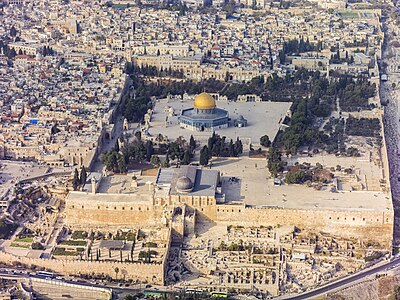
🕌Temple Mount / Al-Aqsa (Jerusalem)
Sacred to Judaism, Christianity, and Islam — the most contested holy site on Earth.
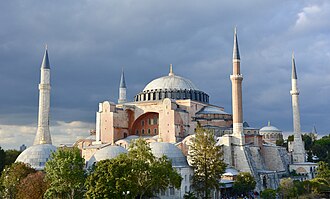
🏛️Hagia Sophia
A masterpiece that served as cathedral, mosque, and museum across centuries.
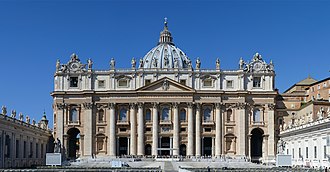
⛪Vatican City (St. Peter's Basilica)
The spiritual center of Roman Catholicism and home of the Pope.
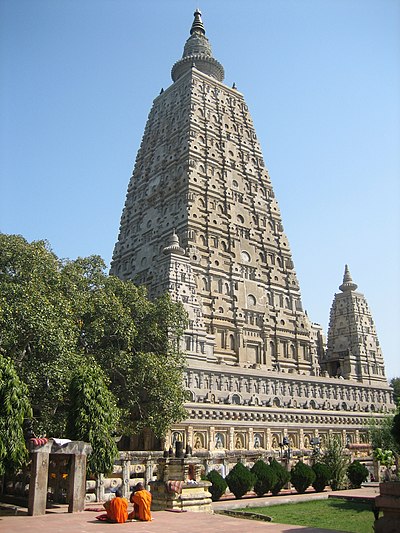
☸️Bodh Gaya (Mahabodhi Temple)
Where Siddhartha Gautama attained enlightenment and became the Buddha.

