⛪ Mérida Cathedral Venezuela
Venezuela
About This Sacred Site
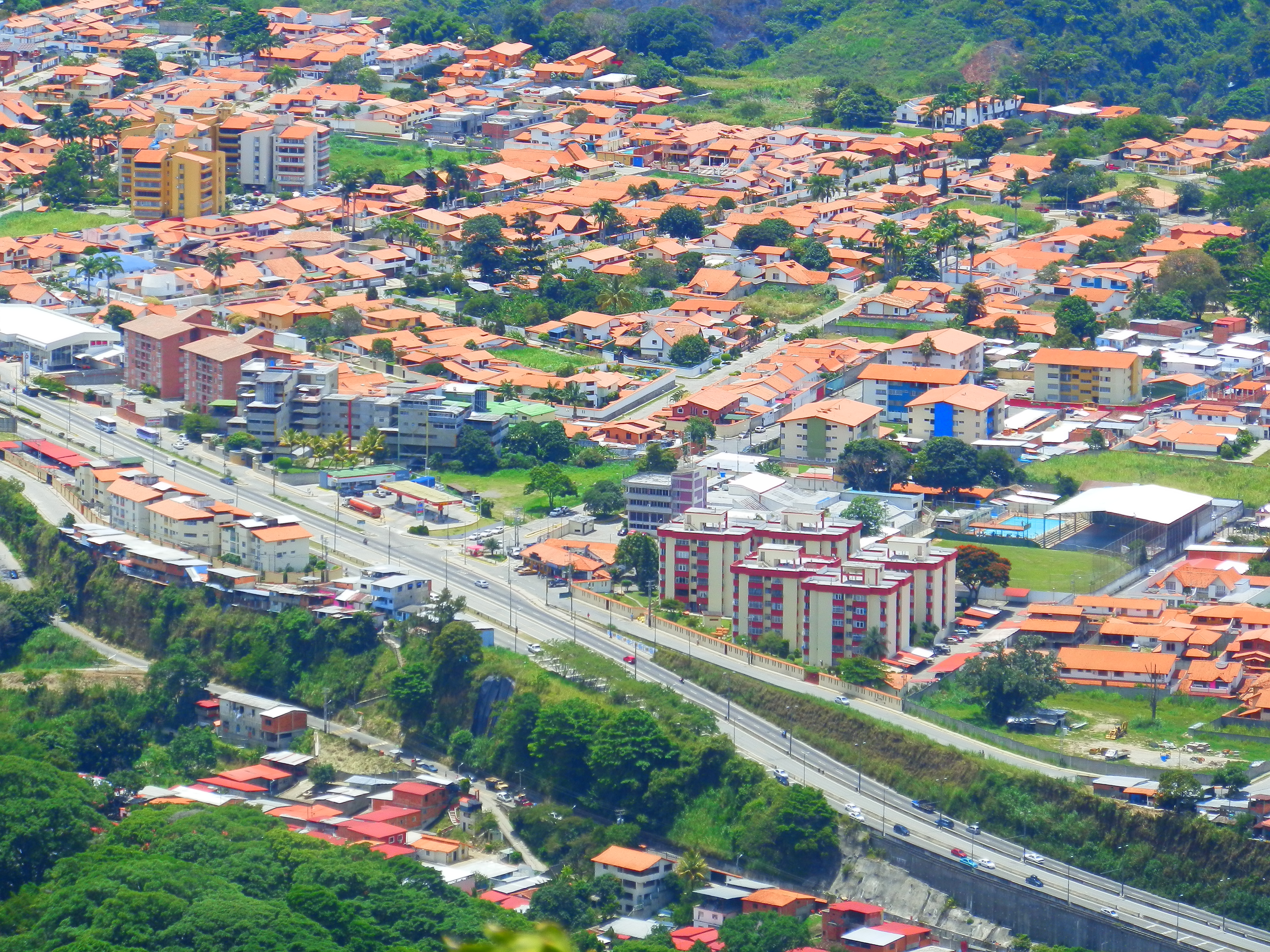
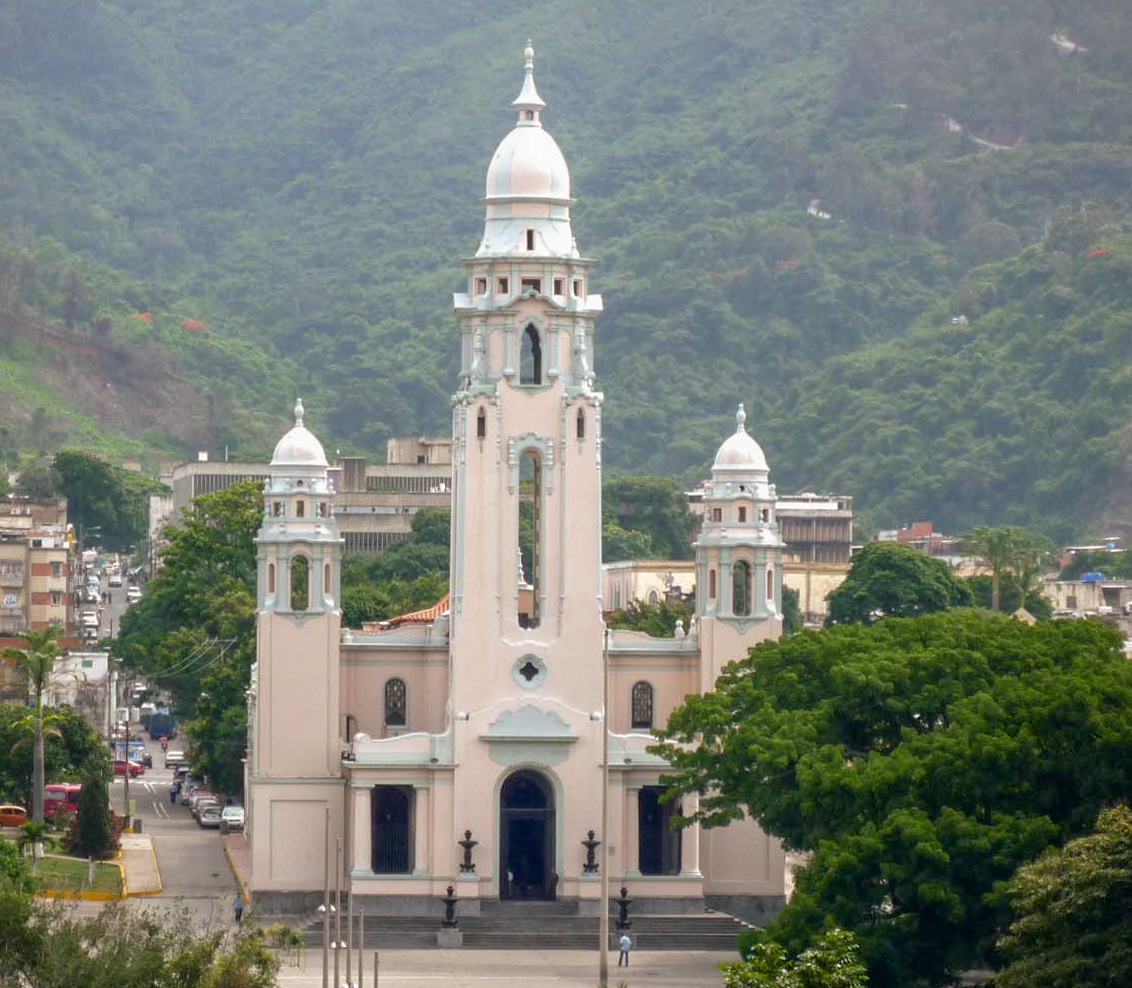
Situated at 1,630 meters elevation in the Venezuelan Andes, the cathedral was originally built in the 17th century and underwent significant reconstruction from 1803 to 1960. The structure features neoclassical architectural elements, including a façade with Corinthian columns and a bell tower reaching approximately 40 meters in height. Constructed primarily from local stone and adobe, the cathedral incorporates large stained-glass windows depicting biblical scenes relevant to Marian devotion. The interior houses several altarpieces carved from native wood, and the nave measures about 50 meters in length and 15 meters in width. Its elevated location offers views of the surrounding Andes, enhancing its prominence as a regional religious landmark.
History & Origins
Construction of the Mérida Cathedral began around 1660, initiated by Spanish colonial authorities to establish a religious and administrative center in the growing Andean settlement. Over the centuries, the cathedral underwent several phases of renovation, including major works in the 18th and 19th centuries that enhanced its Baroque architectural features and expanded its capacity. The cathedral has withstood earthquakes and political upheavals, symbolizing resilience and faith for the local population. In 1925, it was elevated to a basilica, highlighting its importance within the Roman Catholic Church in Venezuela. The site has played a key role in religious festivals and community events, cementing its status as a spiritual and cultural landmark.
Spiritual Significance
Dedicated to the Immaculate Conception, the cathedral serves as the seat of the Archdiocese of Mérida and hosts the annual Feast of the Immaculate Conception on December 8, featuring solemn Masses and processions through the city. The cathedral is central to local religious life, facilitating daily liturgical services and special ceremonies such as confirmations and ordinations. Pilgrims often attend during Holy Week, participating in reenactments of the Passion and receiving the sacrament of reconciliation. The cathedral's spiritual mission aligns with Catholic dogma on Mary’s sinless conception, referencing the papal bull "Ineffabilis Deus" (1854). Local clergy emphasize devotion to the Virgin as a model of purity and intercessor, supported by scriptural citations like Luke 1:48. The cathedral also serves as a cultural hub for promoting traditional Andean Catholic practices integrated with indigenous customs.
Key Facts
- •Located at 1,630 meters elevation in the Venezuelan Andes
- •Originally built in the 17th century and reconstructed between 1803 and 1960
- •Dedicated to the Immaculate Conception, also known as the Cathedral Metropolitana
- •Overlooks the Plaza Bolívar with views of the Sierra Nevada de Mérida
- •Mérida is home to the world's longest and highest cable car system (Teleférico)
Location
Coordinates: 8.5897, -71.1561
Frequently Asked Questions
What religion is Mérida Cathedral Venezuela associated with?▾
Mérida Cathedral Venezuela is a Christianity holy site located in Venezuela. It was established c. 1660 and is ranked #849 in our global directory of sacred sites.
When was Mérida Cathedral Venezuela established?▾
Mérida Cathedral Venezuela dates back to c. 1660. Located at 1,630 meters elevation in the Venezuelan Andes
How many people visit Mérida Cathedral Venezuela each year?▾
Mérida Cathedral Venezuela receives approximately 150,000 visitors per year. Originally built in the 17th century and reconstructed between 1803 and 1960
What is Mérida Cathedral Venezuela known for?▾
A cathedral in the Andes city of Mérida dedicated to the Immaculate Conception, set against spectacular mountain scenery. Visitors come seeking blessings, peace, guidance. Dedicated to the Immaculate Conception, also known as the Cathedral Metropolitana
Related Holy Sites
Sacred places connected by country, religion, and purpose
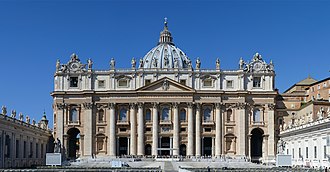
⛪Vatican City (St. Peter's Basilica)
The spiritual center of Roman Catholicism and home of the Pope.
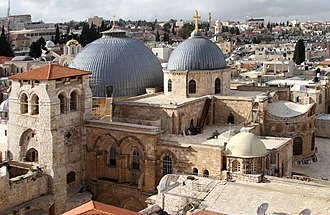
✝️Church of the Holy Sepulchre
The site where Jesus was crucified, buried, and resurrected.