🏰 Nakhal Fort
Oman
About This Sacred Site
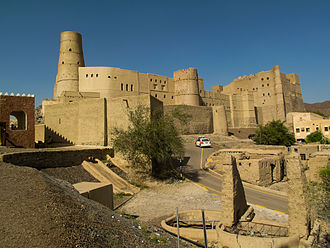
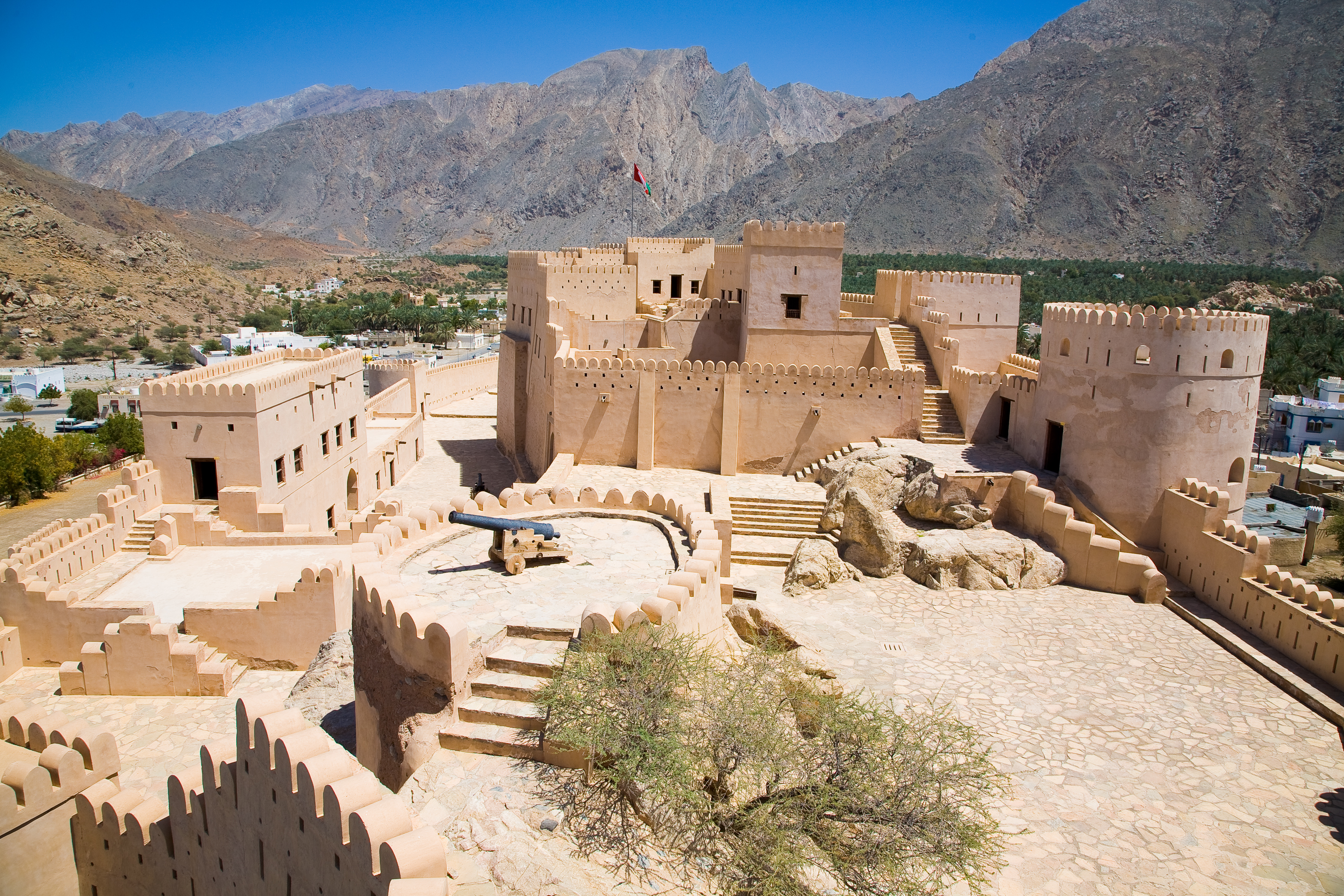
Nakhal Fort, perched dramatically on a rocky outcrop at the foothills of the Al Hajar Mountains in Oman, dates back to the pre-Islamic era around the 5th century CE. Its strategic location allowed control over the surrounding oasis and trade routes. The fort's distinctive architecture integrates natural rock formations, with multiple defensive walls and towers constructed from stone and mud-brick. Over centuries, it underwent renovations, particularly during the Al Ya'aruba dynasty in the 17th century, enhancing its military capabilities. The interior houses traditional rooms, a mosque, and underground passages, offering insight into historic defensive living. Today, Nakhal Fort remains a testament to Omani ingenuity in fortress design and adaptation to rugged landscapes.
History & Origins
Nakhal Fort dates back to pre-Islamic times around the 5th century CE, initially built on a natural rock foundation at the foot of the Al Hajar Mountains to strategically oversee the surrounding fertile oasis. Throughout history, it was expanded and renovated significantly during the 17th century under the rule of Imam Sultan bin Saif Al Ya'arubi, transforming the fort into a stronghold with multiple towers and residential quarters. The fort's mosque and prayer rooms have been in continuous use for centuries, reflecting its dual role as both a military and religious site. Nakhal Fort's architecture combines defensive features with aesthetic elements typical of Omani forts, including thick walls and intricately carved wooden doors. The fort was restored in the late 20th century to preserve its historical integrity and is now a popular cultural heritage site illustrating Oman’s pre-Islamic and Islamic eras.
Spiritual Significance
The presence of a mosque and dedicated prayer rooms within the fort underscores the integration of spirituality and daily life for its inhabitants, with historical records indicating that communal prayers were held regularly following Ibadi Islamic practices. The fort's location near natural hot springs has made it a site for purification rituals, aligning with Islamic teachings on cleanliness (tahara) before prayers. During Islamic festivals such as Eid al-Fitr and Eid al-Adha, the fort hosts communal celebrations and Quranic recitations, fostering local religious cohesion. The fort's longstanding religious function also connects to Oman's Ibadi tradition, emphasizing community consultation and piety, which pilgrims and visitors often study when exploring the site’s historical religious significance. Nakhal Fort thus represents a tangible link between Oman’s spiritual heritage and its historical defense mechanisms.
Key Facts
- •Built on a natural rock foundation at the foot of the Al Hajar Mountains
- •Contains a mosque and prayer rooms used for centuries
- •Pre-Islamic foundations with major 17th-century Ya'ariba expansions
- •Surrounded by date palm oases and natural hot springs
- •One of the best-restored forts in Oman
Location
Coordinates: 23.3931, 57.8275
Frequently Asked Questions
What religion is Nakhal Fort associated with?▾
Nakhal Fort is a Islam holy site located in Oman. It was established Pre-Islamic (c. 5th century CE) and is ranked #490 in our global directory of sacred sites.
When was Nakhal Fort established?▾
Nakhal Fort dates back to Pre-Islamic (c. 5th century CE). Built on a natural rock foundation at the foot of the Al Hajar Mountains
How many people visit Nakhal Fort each year?▾
Nakhal Fort receives approximately 120,000 visitors per year. Contains a mosque and prayer rooms used for centuries
What is Nakhal Fort known for?▾
A pre-Islamic fortification with a mosque, dramatically set against the Al Hajar Mountains. Visitors come seeking protection, ancestral connection, peace, guidance. Pre-Islamic foundations with major 17th-century Ya'ariba expansions
Related Holy Sites
Sacred places connected by country, religion, and purpose