🏰 Bahla Fort
Oman
About This Sacred Site
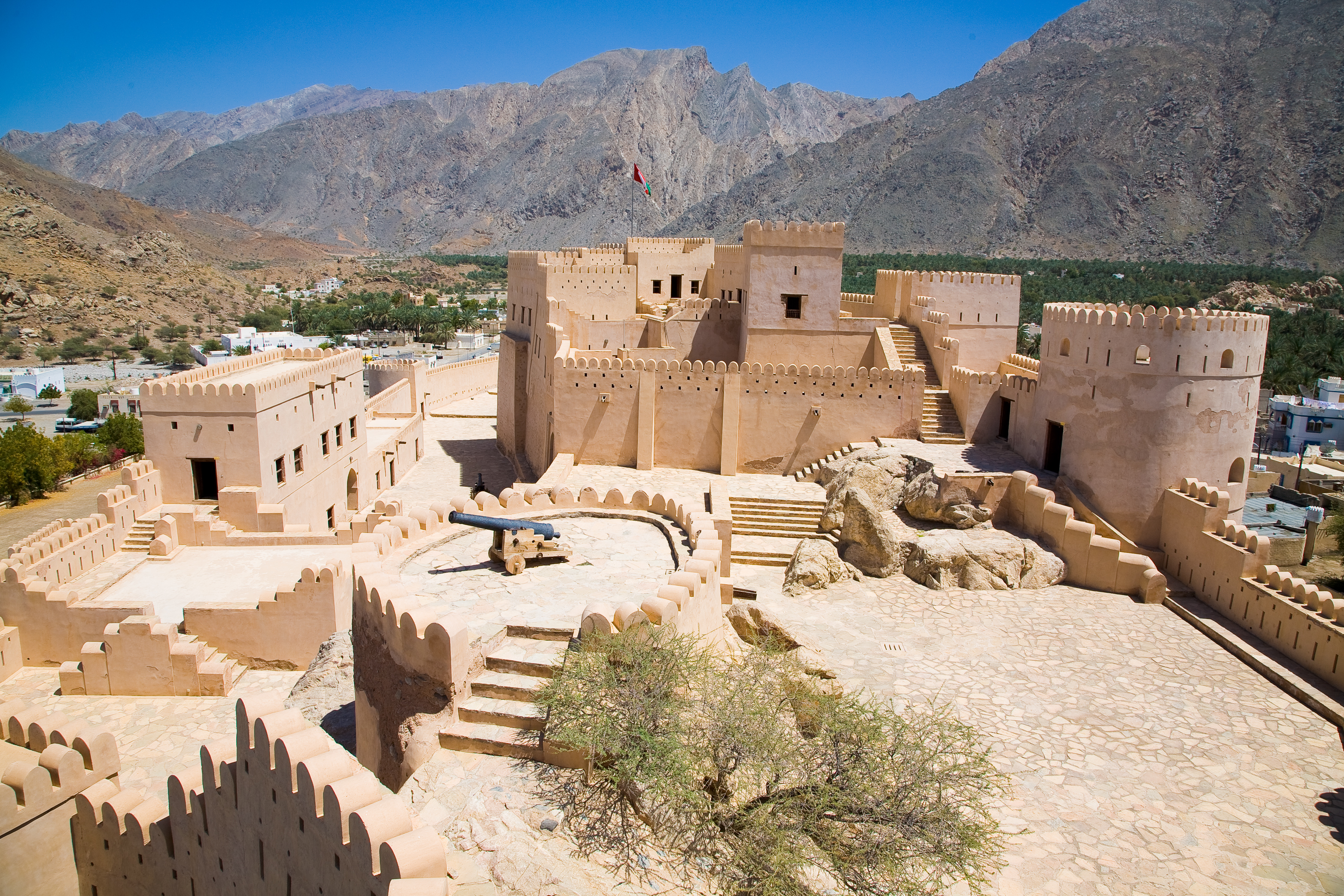
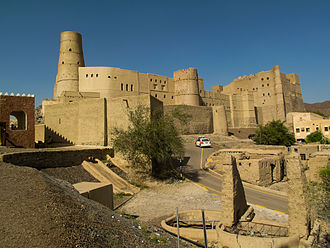
Bahla Fort, dating mainly from the 13th and 14th centuries under the Nabhani dynasty, is a monumental mud-brick fortress located in Oman's interior. Its vast scale, with thick defensive walls and multiple towers, reflects its historical role as a protective stronghold and administrative center. The fort's construction showcases traditional Omani architecture, utilizing local materials and techniques suited to the desert environment. Surrounding the fort are ancient irrigation channels and palm groves, indicating the site's strategic importance for controlling agricultural resources. Recognized as a UNESCO World Heritage Site, Bahla Fort is celebrated for its remarkable preservation and as a symbol of Oman's medieval fortification heritage.
Spiritual Significance
Designated as Oman's first UNESCO World Heritage Site in 1987, Bahla Fort is not only an architectural marvel but also a spiritual symbol for the local communities who have historically guarded it. The fort's extensive 12-kilometer surrounding walls served as a fortified sanctuary during times of conflict, ensuring the protection of the nearby town and its inhabitants, who practiced Ibadi Islam. The Nabhani dynasty, responsible for its construction in the 13th and 14th centuries, integrated spaces within the fort for prayer and religious gatherings, highlighting the fusion of military and spiritual life. Annual festivals held near the fort celebrate traditional Islamic customs and local heritage, including Quranic recitations and the commemoration of Islamic historical events such as the Prophet Muhammad’s birthday (Mawlid al-Nabi). The fort's enduring presence fosters a sense of continuity in Islamic identity for the region, with its walls symbolizing both physical and spiritual resilience.
Key Facts
- •First UNESCO World Heritage Site in Oman, inscribed in 1987
- •The surrounding walls extend for 12 kilometers
- •Built primarily by the Nabhani dynasty in the 13th-14th centuries
- •Bahla is traditionally associated with mysticism and spiritual learning
- •Constructed primarily from mud-brick and palm wood
Location
Coordinates: 22.9644, 57.2994
Frequently Asked Questions
What religion is Bahla Fort associated with?▾
Bahla Fort is a Islam holy site located in Oman. It was established c. 13th century and is ranked #209 in our global directory of sacred sites.
When was Bahla Fort established?▾
Bahla Fort dates back to c. 13th century. First UNESCO World Heritage Site in Oman, inscribed in 1987
How many people visit Bahla Fort each year?▾
Bahla Fort receives approximately 150,000 visitors per year. The surrounding walls extend for 12 kilometers
What is Bahla Fort known for?▾
A UNESCO-listed 13th-century fort with integrated mosque in Oman's interior. Visitors come seeking protection, ancestral connection, peace, guidance. Built primarily by the Nabhani dynasty in the 13th-14th centuries
Related Holy Sites
Sacred places connected by country, religion, and purpose