🕌 Nabi Musa (Tomb of Moses)
Palestine
About This Sacred Site
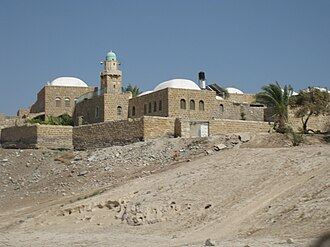
Nabi Musa is a site in the Judean Desert, between Jerusalem and Jericho, venerated by Muslims as the tomb of the Prophet Moses (Musa). The shrine, with its distinctive domed chambers and minaret, was built by the Mamluk Sultan Baibars in 1269 CE and expanded over subsequent centuries. An annual religious festival, the Nabi Musa Festival, was one of the largest and most important religious celebrations in Palestine for centuries, with pilgrims walking from Jerusalem to the shrine during the Easter period. The festival historically served both religious and political purposes, reinforcing Palestinian communal identity. The desert landscape surrounding the site adds to its atmosphere of prophetic solitude and spiritual retreat.
History & Origins
The Nabi Musa shrine was established in 1269 CE by Mamluk Sultan Baibars as a commemorative monument marking the traditional site of Moses' tomb. It was constructed near Jericho to serve both as a religious shrine and a strategic symbol of Muslim presence in the region. The site gained prominence during the Ottoman period, becoming a focal point for religious gatherings and pilgrimage. The annual Nabi Musa Festival emerged during the late Ottoman era, commemorating Moses as a prophet and leader, with the tradition continuing into the British Mandate period. The shrine's architectural features include Mamluk-style domes and minarets, and it has undergone several restorations to preserve its structure. During the 20th century, political developments affected access and use, but the site remains a significant Islamic heritage location in Palestine.
Spiritual Significance
Nabi Musa is celebrated as the burial place of Moses, a prophet central to Islamic theology, as described in the Quran, particularly in Surah Al-A'raf (7:143). The annual Nabi Musa Festival, traditionally held in spring, was one of Palestine's largest religious events, attracting pilgrims from across the region who participated in prayer vigils, Qur'an recitations, and communal meals. The festival coincided with the Islamic calendar's arrival of Ramadan preparations, reinforcing Moses' role as a lawgiver and spiritual guide. Pilgrimage rituals include circumambulation of the shrine and supplications for intercession. The site symbolizes the spiritual continuity of the prophetic tradition and serves as a locus for communal identity and religious expression among Palestinian Muslims, with historical ties to Sufi practices emphasizing veneration of saints and prophets.
Key Facts
- •The shrine was built by Mamluk Sultan Baibars in 1269 CE
- •The annual Nabi Musa Festival was one of Palestine's largest religious celebrations
- •The festival traditionally coincided with Easter, drawing pilgrims from Jerusalem
- •Located in the Judean Desert between Jerusalem and Jericho
- •Moses (Musa) is one of the most revered prophets in Islam, mentioned 136 times in the Quran
Location
Coordinates: 31.8133, 35.4267
Frequently Asked Questions
What religion is Nabi Musa (Tomb of Moses) associated with?▾
Nabi Musa (Tomb of Moses) is a Islam holy site located in Palestine. It was established 1269 CE and is ranked #696 in our global directory of sacred sites.
When was Nabi Musa (Tomb of Moses) established?▾
Nabi Musa (Tomb of Moses) dates back to 1269 CE. The shrine was built by Mamluk Sultan Baibars in 1269 CE
How many people visit Nabi Musa (Tomb of Moses) each year?▾
Nabi Musa (Tomb of Moses) receives approximately 50,000 visitors per year. The annual Nabi Musa Festival was one of Palestine's largest religious celebrations
What is Nabi Musa (Tomb of Moses) known for?▾
A sacred site in the Judean Desert venerated as the tomb of the Prophet Moses. Visitors come seeking pilgrimage, blessings, peace, guidance. The festival traditionally coincided with Easter, drawing pilgrims from Jerusalem
Related Holy Sites
Sacred places connected by country, religion, and purpose